Contents
Download PDF
pdf Download XML
990 Views
112 Downloads
Share this article
Research Article | Volume 4 Issue 1 (Jan-June, 2023) | Pages 1 - 4
Post laparoscopic cholecystectomy nontuberculous Mycobacterial Surgical site infection: A case series
 ,
 ,
1
India
Under a Creative Commons license
Open Access
Received
March 3, 2023
Revised
April 9, 2023
Accepted
May 19, 2023
Published
June 6, 2023
Abstract

Background: The rapidly growing nontuberculous mycobacteria (NTM), Mycobacterium fortuitum,and Mycobacterium chelonaehave been reported to cause a range of manifestations ranging from skin and wound infections tosepticemia, meningitis, and endocarditis. Nowadays such cases are seen more frequently sp. SSI due to NTM. This has risen concern among the medical fraternity. Rigid nature of NTM like the production of biofilm and resistance to disinfectants makes them a big reason for worry. There are 4 such cases of post laparoscopic cholecystectomy SSI due to NTM which presented themselves in our hospital. Design and Methods: NTMwas found in four instances of post-surgical wound infections. Ziehl-Neelsen staining, Auramine Rhodaminefluorescence staining, various cultures, and biochemical tests along with CBNAAT and Real-Time PCR, were used to identify thespecies. Results: M. fortuitum, was isolated from three out of four cases whereas andM. chelonaewas isolated from the discharge of one case.NTMisolates evaluated for antibiotic susceptibility pattern were all sensitive to Clarithromycin (100%) and Doxycycline (100%). One case is on treatment with Gentamicin alongside the above-mentioned drugs. Conclusion: NTM is an infection of uncommon nature that can occur after surgical procedures mostly if sterilization is not performed appropriately. Identification ofthese organisms through sensitive techniques and appropriate therapeutic regimen must bedone to curb this recent yet fast-developing menace.

Keywords
INTRODUCTION

Mycobacteria that do not cause tuberculosisknown as non-tuberculous mycobacteria (NTM) date back to the time of Robert Koch when he first discovered them [1]. NTM are rapid-growing mycobacteria, widely distributed in nature These microorganisms are known to live in various environments, including water,animals, soil, and dairy products [2]. Skin and soft tissue infections due to these pathogenshave been rarely reported. [3,4] Worldwide The rapidly growing nontuberculous mycobacteria (NTM), Mycobacterium fortuitumand Mycobacterium chelonaehave been reported to cause a range of manifestations ranging from skin and wound infections to distributed infections like septicemia, meningitis and endocarditis [3]. The Mycobacterium chelonae, Mycobacterium abscessus, Mycobacterium fortuitum,and Mycobacterium smegmatis groups are most often linked with infections after surgicalintervention [4]. NTM have been isolated from various cutaneous and soft tissue infections after compromised skin's integrity following inoculation or minor trauma and after surgical procedures.These NTM are found in natural and processed water sources as well as in sewage and it is transmitted by aerosol, soil, dust, water, ingestion or by skin inoculation, whereas its person-to-person spread is rare [5].


Antiseptic and disinfectant resistance of NTM make them a looming threat as these organisms can produce biofilm because of their hydrophobic nature.The ability to produce biofilm increasesthe likelihood of infections, sp. If the surgical tools are not sterilized adequately [6] So, in foresight Infectionsof surgical wounds can be prevented by properly sterilizing tools and laparoscopes [7].


Globally, nosocomial infection outbreaks have increased in recent years [8]. There have been reports of NTM in post-operative wounds in India also [9]. Literature suggests that NTM are becoming more common as an accidental cause of surgical site infection (SSI), yet it is difficult to diagnose, due to lack of. Suspicion of NTM and infrequency of biopsy and mycobacterial cultures and antibiotic susceptibility testing for the same [10]. NTM requires to be treated with drugs other than the routine anti-tuberculous drugs, so if proper identification and AST are not performed the patient will not recover on ATT and may be considered as MDR TB, which will cause further harm to the patient. Though like TB, NTMs also require Long-term medication from 2 months to 9 months. This could lead to lowered tolerance and may decrease compliance. Only a few studies have been conducted in this region of Himachal. This is a case series of four such casesthat were presented in the Dermatology OPD of our Hospital.


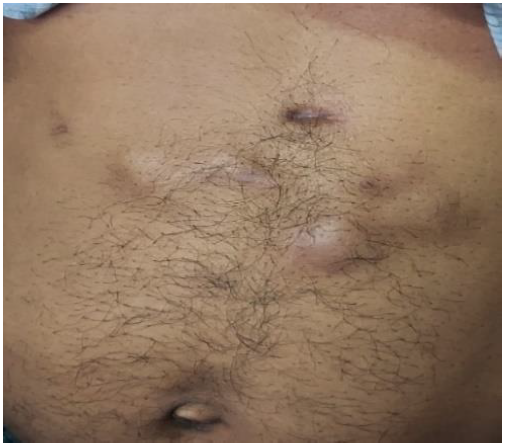
Figure 1: A 58-Years Old Healthy Male Presented in Dec 2022


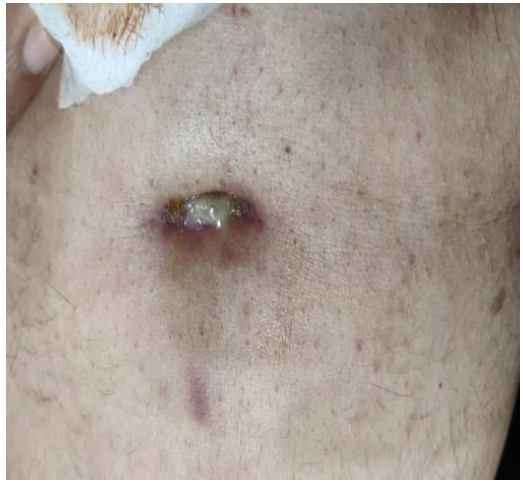
Figure 2: A 47-Years Old Female Presented in Jan 2023


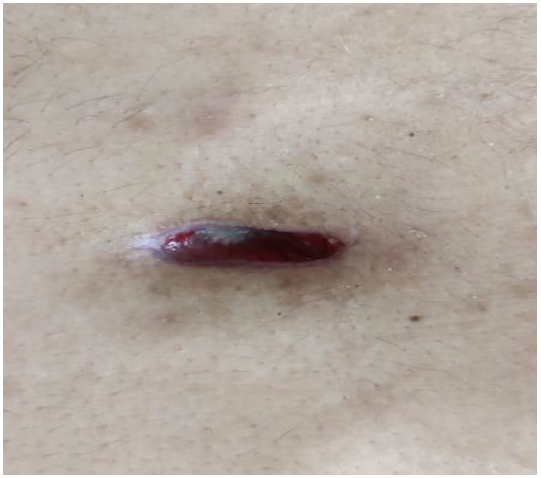
Figure 3: A 43-Years Old Female Presented in March 2023


Figure 4: A 46-Years Old Male Presented in May 2023


Cases

  • A 58-years old healthy male presented in Dec 2022 with a history of five nodule-like lesions (approx. 3x2cm) on the upper abdomen just below a laparoscopic cholecystectomy scar (Figure 1) the surgery was performed in May 2022. The swelling started about one month after surgery, gradually increasing in size, and was associated with mild tenderness and pain with occasional watery discharge

  • A 47-years old female presented in Jan 2023 with a history of epigastric port site SSI post laparoscopic cholecystectomy (Figure 2) the surgery was performed in Aug 2022. The SSI was not healing since the surgery and pus discharge was present the site was painful

  • A 43-years old female presented in March 2023 with a history of port site SSI post laparoscopic cholecystectomy (Figure 3). The surgery was performed in Dec 2022. The SSI was not healing since the surgery and pus was draining from it. The site was tender to the touch

  • A 46-years old male presented in May 2023 with a history of port site SSI post laparoscopic cholecystectomy (Figure 4). The surgery was performed in Dec 2022. The SSI was not healing since the surgery and pus was draining from it intermediately like a sinus

MATERIALS AND METHODS

Sample Collection

A total of six swab discharge samples were collected from the deepest possible point of the wound. Or sinuses.The swabs under strict aseptic measures were evaluated in Biosafety Level II (BSLII) laboratory for mycobacterium evaluation.


Microbiological Investigation

The samples were taken one by one as they were recruited. A gram stain smear was prepared from the first sample. Similarly, ZiehlNeelsen (ZN) and Auramine O - Rhodamine fluorescent staining (Acridine Orange) were done from the second and third samples. A slide was made from the fourth sample and was sent for Histopathology Culture and Antimicrobial Susceptibility tests were processed from the fifth and sixth samples [11].


Sample Processing

Using N-Acetyl-L-Cysteine - Sodium Hydroxide as a decontaminant, samples were centrifuged at 3000 rpmfor15-20 minutes before being suspended in 2 ml phosphate buffer for further analysis. The obtainedsupernatant and the decontaminated sample were then processed by CBNAAT test for detection of MTB if present, as CBNAAT can only detect MTB and not NTM, and RT- PCR for genotypic detection. Specimens obtained were subsequently cultured on LJ(Lowenstein-Jensen) media to identify Rapidly Growing Mycobacteria isolates and the presence or absence of pigment on it, along with biochemical testslike nitrate reduction, tolerance to NaCl, growth on MacConkey’s agar, and Aryl sulphatase testwere put up [11].


Antibiotic Susceptibility Testing (AST)

AST was determined on Mueller-Hinton agar by the disc diffusion Kirby Bauer method for antibiotics discsof Clarithromycin (15 ug), Erythromycin (15 ug), Gentamicin (10 ug), Imipenem (10 ug), Linezolid (30 ug), Doxycycline (30 ug), Tetracycline (30 ug), Vancomycin (30 ug), Ciprofloxacin (5 ug), cotrimoxazole (25ug) and polymyxin B (300 ug).

RESULTS

All four patients were between age of 43-58 years ratio of male and female was 1:1 (Table 1). infection site. No other signs and symptoms such as fever and chills were found. Routine blood in vestigationswere Clinical manifestations noted were pus discharge, abscesses, sinus, or chronic discharge from the unremarkable in all positive cases except the fourth case who was diabetic and had FBS ranging from 200 mg/dl to 250mg/dl and Hba1c of 9.5%.


The time for the onset of infection after the surgical procedure was 19-30 days. Bacterial growth took 6-9 days. NTM isolates came CBNAAT negative and stained negative may cause chronic human abscesses [18]. The isolates in our study wereM. fortuitum, M. chelonae. Antibiotic susceptibility testing in this study was done bythe disc for Gram staining while positive for ZN and Auramine staining. Biochemical tests and growth on MacConkey agar were positive. The organisms were identified as M. fortuitumchelonaecomplex. The main genotype was M. fortuitumex. For one case 3 came as M.chelonae.


All isolates were sensitive to Clarithromycin which was prescribed for 2 months. In two cases doxycycline which was also sensitive in all cases was prescribed alongside Clarithromycin for 1 month, and in one case (case no. 4) who is still under treatment Gentamicin was also added.The mean duration of follow-up of the patients after the initiation of clarithromycin therapy was a minimum of six months for all cases. The lesions did not recur in any of the patients after finishing of treatment.


Table 1: Outcome Summary of all Four NTM Case

Parameters

Case 1

Case 2

Case 3

Case 4

CBNAAT

Negative

Negative

Negative

Negative

Gram staining

Negative

Negative

Negative

Negative

Z N staining

Positive 

Positive 

Positive 

Positive 

Auramine

staining

Positive 

Positive 

Positive 

Positive 

Histopathology

Granulomatous inflammation

Granulomatous inflammation

Granulomatous inflammation

Granulomatous inflammation

LJ medium growth (in days)

9

6

9

Color production on LJ media

No 

No 

No 

No 

Biochemicals tests

positive

positive

positive

positive

Organism identified 

M. fortuitumchelonae

complex.

M. fortuitumchelonae

complex.

M. fortuitumchelonae

complex.

M. fortuitumchelonae

complex.

Genotype identified via 

M. fortuitum

M. fortuitum

M. chelonae

M. fortuitum

Antibiotic prescribed

Clarithromycin 500 

Doxycycline 100 mg

Clarithromycin 500 

Doxycycline 100 mg 

Clarithromycin 500 

Doxycycline 100 mg

Clarithromycin 500 Doxycycline 100 mg

Gentamicin 80 mg

Response Healed/Persisting

Healed in 91 days

Healed in 58 days

Healed in 43 days

Persisting

DISCUSSION

Though nontuberculous mycobacteria infectionsrarely cause mortality, they can cause prolonged morbidity, especially when they are miss-diagnosed and therefore not treated effectively NTM are important human pathogens and have been reported from postsurgical wound infections in many countries including India, [12]. Breast implant infection with M. fortuitumgroup was reported by Vinh et al. [13], it required the removal of the implant and a prolonged course of antibiotics. After the infection resolved, a new implant was successfully placed. Infections with NTM following trauma have also been reported.


Previous studies report incidence of NTM ranging from 3.4% to 24.7% in India. There is an increase in reporting which can bedue to better adaptation of histopathology, adherence to culture technique, and species diagnosis with DNAsequencing. Surgical predisposition varied amongst cases, with no tendency for either closed or opensurgeries [14].


Culture sensitivity to ZN staining was detected in 100% of confirmed NTM infections. This contrasted with the study of Ghosh et al. [15], who reported sensitivity in a lower number of cases. This can be due to improper sampling techniques, at the time of sample collection.


Generally, the ZN stain and culture are extensively used for diagnosing mycobacterial infections, however, it has poor sensitivity (22-78%), making it difficult todistinguish between NTM and M. tuberculosis [16]. Our study had 100% sensitivity to ZN staining. Advanced PCR techniques have 100% sensitivity and specificity for the DNA isolated from cultured specimens. The current study employed real-time PCR which targeted the 16SrRNA, rpoB. [17]. NTM is categorized into four classes. Class 1 represents photochromogens that are slow-growing, such as M. kansasii. Microbes that cause cervical adenitis in children are Scotochromogens like M. scrofulaceum which belong to Class 2. All non-chromogens in Class 3 are included in this group, including M. intracellulare, M. avium (Cervical adenitis), and M. xenopi (chronic lung illness). Class 4 includes fast-growing microorganisms, including M. fortuitumand M. chelonae, which may cadiffusion method.


Though micro broth dilution is the recommended choice by the Clinical and Laboratory Standards Institute (CLSI), the disc diffusion technique remains a reliable method [19]. Clarithromycinand Doxycycline were effective against all NTM isolates. andGentamicin was added inonly one case of M. fortuituminfection. A hundred percent sensitivity of NTM to these drugs was also demonstrated in previous studies [20]. Our study did not require the usage of fluoroquinolones but added a multidrug regimen comprising macrolide and in one under-treatment case, aminoglycoside. Literature documents intralesional injections aswell, the need for which did not arise in the current study [21]. All cases responded to Clarithromycin 500 mgBD along with Doxycycline 100 mg BD. The only exception is still under treatment.


In this context, emphasis is placed on reporting NTMinfection and sensitivity patterns. NTM infections are rare in this region but can occur due to poor sterilization of reusable medical equipment. The response of the individual, variation of NTM pathogenicity, and virulence are certain factors to be kept in mind while treating a patient with SSI due to NTM. In the context of the study, the limitations includedthat the sample size was minimal.


CONCLUSION

Nontuberculous mycobacteria are unique not only in theirculture characteristics but also in clinical presentations. The predominant presentation includes any break in skin integrity like post-operative, post-injection, or post-trauma wound infections. Three species are responsible for most diseases due to NTM: M fortuitum, M chelonaeand M abscessus. Though suggestive clinical features, poor response to ATT or empirical antibacterial treatment, and repeated isolation of the organisms from the clinical specimens can help in nudging to look for NTM t, still,the reality remains that many such epidemics and sporadic cases in India probably remain unreported due to variable reasons from loss of follow-up to unavailability of diagnostic laboratories. Our findings suggest we need to have a higher index of suspicion for NTM infections. sp. in nonhealing surgical wounds. Culture sensitivity and species identification are mandatory to provide optimal antimicrobial intervention. Surgical care for patients with recurring skin and soft-tissue infections necessitates understanding the risk and acting on it.

REFERENCE
  1. Collins C.H. et al. “Mycobacteria in water”. J Appl Bacteriol. 1984; 57:193–211. https://doi.org/10.1111/j.1365-2672.1984.tb01384.x

  2. Brown-Elliott B.A. and Wallace RJ. Jr. “Clinical and taxonomic status of pathogenic nonpigmented or late pigmenting rapidly growing mycobacteria”. Clin Microbiol Rev. 2002; 15:716–746. https://doi.org/10.1128/CMR.15.4.716-746.2002

  3. Sethi N.K. et al. “Mycobacterium chelonae infection following laparoscopic inguinal herniorrhaphy.” JAPI. 2003;51 pp. 81–82.

  4. Gayathri Devi DR et al. Isolation of Mycobacterium chelonae from wound infection following laparoscopy: A case report. Indian J Tuberc. 2004;51 pp. 149–151.

  5. Zhibang Y. et al. “Large-scale outbreak of infection with Mycobacterium chelonae subsp.” abscessus after penicillin injection. J Clin Microbiol. 2002;40 pp. 2626–2628. https://doi.org/10.1128/JCM.40.7.2626-2628.2002

  6. Uslan D.Z. et al. “Skin and soft tissue infections due to rapidly growing mycobacteria: comparison of clinical features, treatment, and susceptibility.” Arch Dermatol. 2006;142 pp. 1287–1292. https://doi.org/10.1001/archderm.142.10.1287

  7. Devi D. et al. “A case of meningitis caused by Mycobacterium abscessus in a paediatric patient.” J Tuberc Res. 2015;3 pp. 54–58. https://doi.org/10.4236/jtr.2015.32008

  8. Singhal K et al. Mycobacterium fortuitum-induced surgical wound infection: a case report. JPAD. 2013;23: pp. 236–239.

  9. Sethi S et al. Mycobacterium fortuitum wound infection following laparoscopy. Indian J Med Res. 2001;113 pp. 83–84.

  10. Griffith D.E. et al. “An official ATS/IDSA statement: Diagnosis, treatment, and prevention of nontuberculous mycobacterial diseases.” Am J Respir Crit Care Med. 2007;175 pp. 367–416. https://doi.org/10.1164/rccm.200604-571ST

  11. Winn W. et al. Koneman’s Colour Atlas and Textbook of Diagnostic Microbiology. 6th ed. USA: Lippincott Williams & Wilkins; 2006.

  12. O’Brien RJ et al. “The epidemiology of nontuberculous mycobacterial diseases in the United States: Results from a national survey”. Am Rev Respir Dis. 1987;135 pp. 1007–1014.

  13. Vinh D.C. et al. “Breast implant infection with Mycobacterium fortuitum group: report of case and review.” J Infect. 2006;52(3) pp. e63–e67.

  14. Gundavda M.K. et al. “Nontuberculous mycobacterial infection of the musculoskeletal system in immunocompetent hosts.” Indian J Orthop. 2017;51 pp. 205–212. https://doi.org/10.4103/0019-5413.201718

  15. Ghosh R. et al. “Port-site infections by nontuberculous mycobacterium: a retrospective clinico-microbiological study.” Int J Mycobacteriol. 2017;6 pp. 34–37. https://doi.org/10.4103/2212-5531.201901

  16. Aslanzadeh J. et al. “Comparison of culture and acid-fast bacilli stain to PCR for detection of Mycobacterium tuberculosis in clinical samples.” Mol Cell Probes. 1998;12 pp. 207–211. https://doi.org/10.1006/mcpr.1998.0174

  17. Kim B.J. et al. “Identification of mycobacterial species by comparative sequence analysis of the RNA polymerase gene (rpoB).” J Clin Microbiol. 1999;37 pp. 1714–1720. https://doi.org/10.1128/JCM.37.6.1714-1720.1999

  18. Vijayalaxmi B. et al. “Hospital outbreak of post-caesarean wound infection with atypical mycobacteria”. J Evol Med Dent Sci. 2016;5 pp. 3416–3419. https://doi.org/10.14260/jemds/2016/789

  19. Johnston JC et al. Mycobacterium kansasii. Microbiol Spectr. 2017;5. https://doi.org/10.1128/microbiolspec.TNMI7-0011-2016

  20. Gayathri R. et al. “Antibiotic susceptibility pattern of rapidly growing mycobacteria.” J Postgrad Med. 2010;56 pp. 76–78. https://doi.org/10.4103/0022-3859.65278

  21. Yang S.C. et al. “High prevalence of antimicrobial resistance in rapidly growing mycobacteria in Taiwan.” Antimicrob Agents Chemother. 2003;47 pp. 1958–1962. https://doi.org/10.1128/AAC.47.6.1958-1962.2003

Recommended Articles
Research Article
Clinical Approaches to Induction and Monitoring of Labour
...
Published: 30/12/2025
Download PDF
Research Article
Twisted Truths: Public Awareness of Ligament Injuries and Sports-Related Orthopedic Trauma in Kangra
...
Published: 05/04/2025
Download PDF
Research Article
Failure to thrive and Congenital Heart Disease among Infants of Hilly Regions
Download PDF
Research Article
An evaluation of Profile of Medico-legal autopsies conducted at Dr. Radhakrishnan Govt. Medical College, Hamirpur, Himachal Pradesh
Download PDF
Chat on WhatsApp
Flowbite Logo
PO Box 101, Nakuru
Kenya.
Email: office@iarconsortium.org

Editorial Office:
J.L Bhavan, Near Radison Blu Hotel,
Jalukbari, Guwahati-India
Useful Links
Order Hard Copy
Privacy policy
Terms and Conditions
Refund Policy
Shipping Policy
Others
About Us
Contact Us
Online Payments
Join as Editor
Join as Reviewer
Subscribe to our Newsletter
+91 60029-93949
Follow us
MOST SEARCHED KEYWORDS
Copyright © iARCON International LLP . All Rights Reserved.