This study evaluated the chemical composition of quinoa grains, focusing on amino acid profiling before and after soaking, and investigated the feasibility of using quinoa milk as a partial or total substitute for skim cow’s milk in yogurt manufacture. Quinoa milk was incorporated at replacement levels of 25%, 50%, 75%, and 100%, and the products were assessed for physicochemical, microbiological, and sensory properties over 14 days of storage. All analyses were performed in triplicate, and results were expressed as mean ± standard deviation. GC–MS analysis revealed the presence of volatile and semi-volatile compounds, including organic acids and nitrogen-containing compounds, tentatively identified using mass spectral libraries. Amino acid analysis confirmed the presence of essential and non-essential amino acids. Soaking affected amino acid levels, with lysine increasing from 10.7 to 14.55 mg/g and phenylalanine decreasing from 16.9 to 12.33 mg/g. Increasing quinoa milk substitution reduced viscosity (2840 to 440 cP) and increased whey separation (25% to 72.5%), while pH decreased from 4.3 to 3.86 after 14 days. Microbiological tests indicated that the total bacterial count and lactic acid bacteria were higher with increasing replacement rates during the storage period. The increase in microbial counts could be associated with the availability of nutrients and fermentable substrates in quinoa milk. Sensory evaluation showed that the control sample had the highest acceptability, followed by 25% substitution, while higher levels negatively affected quality. In conclusion, partial substitution (25–50%) of cow’s milk with quinoa milk is feasible for producing a fermented product with acceptable sensory and functional properties and further studies are recommended to optimize formulation and improve product stability.
Keywords
Quinoa Milk
Plant Proteins
GC–MS
Amino Acid Profile
Yogurt
Plant-Based Dairy Alternatives
INTRODUCTION
Over the past few years, plant proteins have been used to improve the nutritional value and protein content of various food products, as they are rich and inexpensive sources of protein and calories, these proteins also contribute to improving the functional and technological properties of food systems [1]. Rising rates of lactose intolerance, the popularity of veganism, the pursuit of healthy lifestyles, environmental awareness, and concern for animal welfare have all led to increased consumer demand for plant-based dairy products as an alternative to animal milk, This shift has encouraged the development of innovative plant-based dairy alternatives with improved nutritional and sensory characteristics [2]. Yogurt is defined as milk fermented by bacteria. It is a thick product with a pleasant flavor, a long shelf life, and a source of many nutrients, including protein, calcium, potassium, and vitamins B2 and B12, its unique texture and flavor are largely influenced by fermentation conditions and milk composition. [3]. Consuming Yogurt is directly linked to its health effects (e.g., it promotes bowel movement and protects against cardiovascular disease) [4]. With the spread of lactose intolerance and milk allergy among a large segment of the population, there is a need to search for new sources to treat these conditions, Consequently, plant-based fermented products have gained attention as suitable substitutes for traditional dairy products [5]. The growing consumer interest in environmentally friendly diets and sustainability has led to a radical shift in consumer values and cultural attitudes. This trend is not only a response to growing concerns about global environmental issues, such as climate change and biodiversity loss, but also reflects a broader social movement towards more conscious and responsible consumption, This has accelerated research into sustainable and plant-derived food systems [6]. Demand for yogurt is growing and gaining acceptance in global markets, as plant-based alternatives gain momentum and consumer demand. Therefore, developing animal-based alternatives is a priority for the industry [7].
Quinoa is a semi-plant-like cereal with exceptional biological and nutritional properties. It has been dubbed the "cereal of the 21st century." It is also known as the "golden grain" due to its exceptional balance of essential amino acids and abundance of macro- and micronutrients, such as fats, fiber, vitamins, and minerals. Its high protein quality has led to its consideration as a food In Denmark, quinoa has been used as an alternative for people with celiac disease and for consumers in general, including it in products such as bread, cakes, and biscuits, In addition, quinoa is gluten-free, making it suitable for individuals with gluten intolerance [8]. Quinoa grains or their derivatives are both nutritious and a nutritional supplement because they contain all essential amino acids, at levels equivalent to those determined by the Food and Agriculture Organization (FAO).
According to studies, the protein efficiency of quinoa grains ranges between 78% and 93% of the casein efficiency, according to reports on the nutritional evaluation of quinoa protein, These properties make quinoa a promising raw material for the development of functional fermented products [9]. Quinoa can also help reduce the risk of developing a number of diseases due to its functional properties of fiber, vitamins, minerals, fatty acids, antioxidants, and plant hormones 10]. Quinoa has properties that distinguish it from other plant-based diets in human nutrition and maintaining health. Therefore, quinoa can be used as an excellent source for producing functional foodswith health-promoting functions, despite these advantages, the use of quinoa milk in fermented dairy-like products still requires further investigation [11,12].
Therefore, the present study aimed to evaluate the impact of quinoa milk incorporation on the physicochemical, microbiological, and sensory properties of yogurt during storage, in order to assess its potential as a functional plant-based substitute for dairy milk.
MATERIALS AND METHODS
Chemical and Physical Tests
Fat, protein, carbohydrates, moisture, and ash contents were determined according to A.O.A.C. [13], and pH, whey viscosity, and viscosity were determined according to Khalil and Mahmoud [14]. All measurements were performed in triplicate to ensure accuracy and reproducibility.
Microbiological Tests
Total bacterial counts and lactic acid bacteria were determined according to APHA [15]. Microbial counts were expressed as colony forming units per gram (CFU/g).
Identification of Active Compounds by GC-MS
GC-MS Analysis: Gas chromatography–mass spectrometry (GC–MS) analysis was performed using a GC–MS system (QP210 Ultra - Shimadzu Japan), equipped with a DB-MS capillary column (30 m × 0.32 mm, 0.25 µm film thickness; 5% phenyl, 95% methyl polysiloxane). Helium gas (99.999%) was used as the carrier gas. The sample was prepared using solvent extraction prior to GC-MS analysis. The separation process was carried out according to the GC's thermal program at 40°C for 1 min, then increased to 150°C at a rate of 5°C/min, then to 280 °C/min at a rate of 5 °C/min, after which the temperature was held at 280°C for 1 min. The injection was performed in split mode using an autosampler (AOC-20i, Shimadzu).The mass spectrometer was operated at 280°C, with a solvent cut-off time of 3 min. Compounds were identified by comparing their mass spectra with standard spectral libraries using GCMS solution software [16].
Amino Acid Identification with Chromatography Amino Acid Analyzer
Amino acids were determined from dry and wet quinoa grains after soaking. Amino acids were extracted according to the method presented by Rasmus Dahl-Lassen [17]. A 3-gram sample was weighed and placed in a 25-ml volumetric flask. 25 ml of 1M hydrochloric acid was added to the sample at 55°C for 3 hours. The sample was then dried using a rotary evaporator and 5 ml of sodium citrate pH 2.2 was added. The sample was filtered using a plastic filter (0.45um) and taken to the device for injection. All analyses were carried out under controlled laboratory conditions to ensure consistency.
Derivatization Process
1 ml of the extracted sample was taken, and 200 microliters of 5% orthophthalein aldehyde (OPA) was added to it. The sample was shaken for 2 minutes, after which 100 microliters of the final mixture were taken and injected into the Amino Acid Analyzer. The analysis was conducted in the laboratories of the Scientific Research Authority / Environment and Water Research Center using an amino acid analyzer (made in Korea). The method presented by Scriver [18]. The carrier phase was used, consisting of (methanol: acetonitrile: 5% formic acid) in proportions of (20:60:20) at a flow rate of (1 ml/minute). A separation column (C18 – NH2 (250 mm * 4.6 mm) was used to separate the amino acids, while a fluorescence detector was used to detect the amino acids at wavelengths (Ex = 445 nm, Em = 465 nm). The Liu et al., [19] program was used to analyze the amino acids. The derivatization process was performed to enhance detection sensitivity and improve chromatographic separation.
Quinoa Milk Extraction
Quinoa milk was extracted after cleaning the grains and washing them thoroughly with water. Then, they were soaked for 12-24 hours at 25°C, changing the water every 6 hours. The water was then discarded and boiling water was added to the grains at a ratio of 1 grain to 5 water The grains were ground in an electric blender, then filtered to obtain quinoa milk. The milk was then pasteurized and stored in the refrigerator in tightly sealed bottles until ready to use. The extraction process was conducted under hygienic conditions to avoid contamination.
Yogurt Preparation and Samples
Yogurt was prepared using 0.5% fat-free cow's milk, and five treatments were prepared with the replacement ratios shown in the Table 1 Cow's milk and quinoa milk were pasteurized and cooled to an incubation temperature of 40-42°C. Then, 3% culture medium (Lactobacillus delbrueckii subsp. Bulgaricus and Streptococcus thermophiles) was added and mixed well. The samples were then placed in an incubator at 40-42°C for 3-4 hours. The samples were then kept in the refrigerator until the necessary tests were performed. All treatments were prepared under identical processing conditions to ensure comparability.
Table 1: Sample Preparation
Transactions
Cow's Milk %
Quinoa Milk %
T0
100%
0%
T1
75%
25%
T2
50%
50%
T3
25%
75%
T4
0%
100%
Sensory Evaluation
The sensory evaluation of the manufactured yogurt was conducted by ten individuals using the scoring scale described by Nelson et al. [20]. A 9-point hedonic scale was used to evaluate sensory attributes including taste, aroma, color, and texture. The panelists were untrained and evaluated the samples under controlled conditions. Samples were coded and presented randomly to avoid bias. Panelists were provided with water to rinse their mouths between samples. Evaluation was carried out at room temperature under standardized lighting conditions.
Statistical Analysis
The Statistical Analysis System (SAS) was used to conduct statistical analysis of the data based on the analysis of variance (ANOVA) test. Duncan's test was used to compare arithmetic means at the significance level (p<0.05) [21].
RESULTS AND DISCUSSION
Chemical Composition of Quinoa Seeds
Table 2 shows the chemical composition of dry quinoa seeds. The results are expressed on a percentage basis of the total sample weight. The solids number indicates that most of the components of quinoa are solids, making it suitable as a basic ingredient in food products, especially those requiring highly concentrated dry ingredients. According to Valencia-Chamorro [9], quinoa has a high protein content compared to other grains, with protein content ranging from 14 to 20%. This is consistent with our results, as well as those reported by Vega-Galvez et al. This highlights the potential of quinoa as a high-quality protein source for food applications. The fat content of quinoa is higher than most traditional grains, and our results are consistent with those of Viktória Angeli et al. [22]. The presence of lipids contributes to the nutritional value and functional properties of quinoa-based products. The carbohydrate content was the highest in quinoa, making it a good source of energy. This is consistent with what was found by Hanan, et al. [23]. This makes quinoa a suitable ingredient for energy-dense food formulations. Quinoa is also a good source of fiber It helps improve digestive health, promotes feelings of fullness, and reduces the risk of heart disease and type 2 diabetes. It also lowers blood cholesterol levels. Ash represents the amount of minerals in the grain, and this percentage indicates that quinoa is rich in minerals. Therefore, we can say that quinoa grains are considered a complete food thanks to their high content of protein, healthy fatty acids, fiber, and minerals. They are an excellent choice for people who follow vegetarian diets, or who suffer from gluten sensitivity, as they are naturally gluten-free [24].
Table 2: Chemical Composition of Quinoa Grains
Material
Percentage %
Solids
95.01
Protein
16.20
Fat
7.10
Carbohydrate
64.16
Fiber
4.62
Ash
2.93
Moisture
4.99
Identification of Amino Aacid
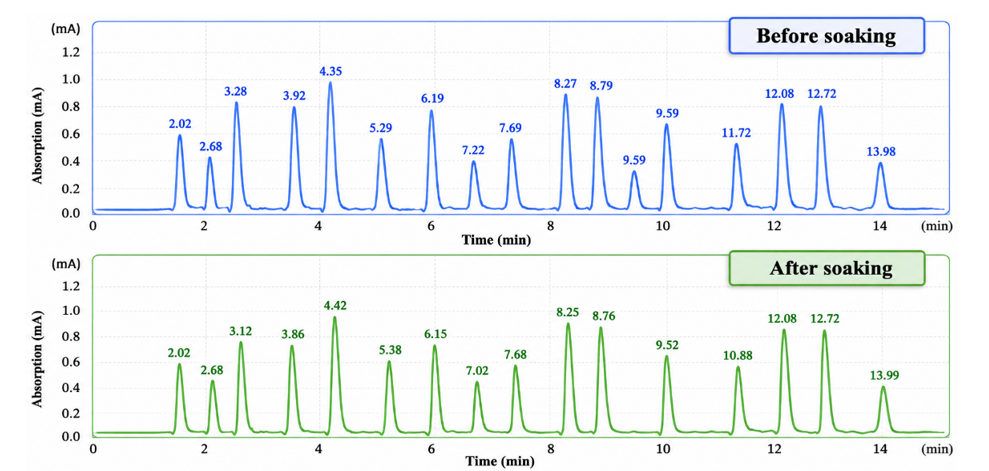
Figure 1 shows the amino acid content of quinoa grains before and after soaking. The results are presented as mg per gram of sample.
Figure 1: Amino Acid Analysis Diagram
We note that quinoa grains contain essential amino acids (Lysine, Valine, Leucine, Isoleucine, Histidine, Phenylalanine), and non-essential amino acids (such as Aspartic acid, Glutamic acid, Alanine, Serine) in different proportions, as shown in Table 3 Quinoa is considered a complete source of protein due to its high quality and very high content of lysine, a limited amino acid that is rare in plants, as well as cysteine and methionine, which are often lacking in legumes [9]. Our results are consistent with Craine and Murphy [25] and Escuredo et al., [26]. We also notice changes in the proportions of these acids after the grain soaking process, as we notice an increase in the concentration of some amino acids after soaking, such as Lysine (from 10.7 to 14.55) and Serine (from 6.25 to 10.9), and a decrease in the concentration of some acids, such as Phenylalanine (from 16.9 to 12.33) and Glutamic acid (from 15.9 to 10.25). The increase and decrease The amino acid content may be a result of the decomposition of some non-protein compounds during soaking, which leads to the release of amino acids or increases their solubility and absorption, or it may be due to the activity of natural enzymes in quinoa, which may enhance the decomposition of some complex compounds into free amino acids. This is what researchers Usman and Bolade [27] mentioned in their research on the effect of soaking on the amino acid content of grains.
Table 3: Amino Acids in Quinoa Grains before and after the Soaking
Amino acid
Quantity mg/1 g
Dry grains
Wet grains (after soaking for two days)
Essential amino acids
Phenylalanine
16.9
12.33
Cysteine
13.6
11.41
Threonine
13.2
9.88
Methionine
12.4
9.55
Lucien
12.6
8.52
Histidine
12.4
8.23
Isoleucine
11.4
10.25
Lysine
10.7
14.55
Valine
10.1
11.45
Non-essential amino acids
Glutamic acid
15.9
10.25
Proline
14.9
7.98
Tyrosine
12.6
10.32
Aspartic acid
12.6
12.69
Alanine
12.6
12.47
Arginine
12.4
10.25
Glycine
11.4
10.65
Serine
10.9
6.25
Identification of Active Compounds using GC-MS
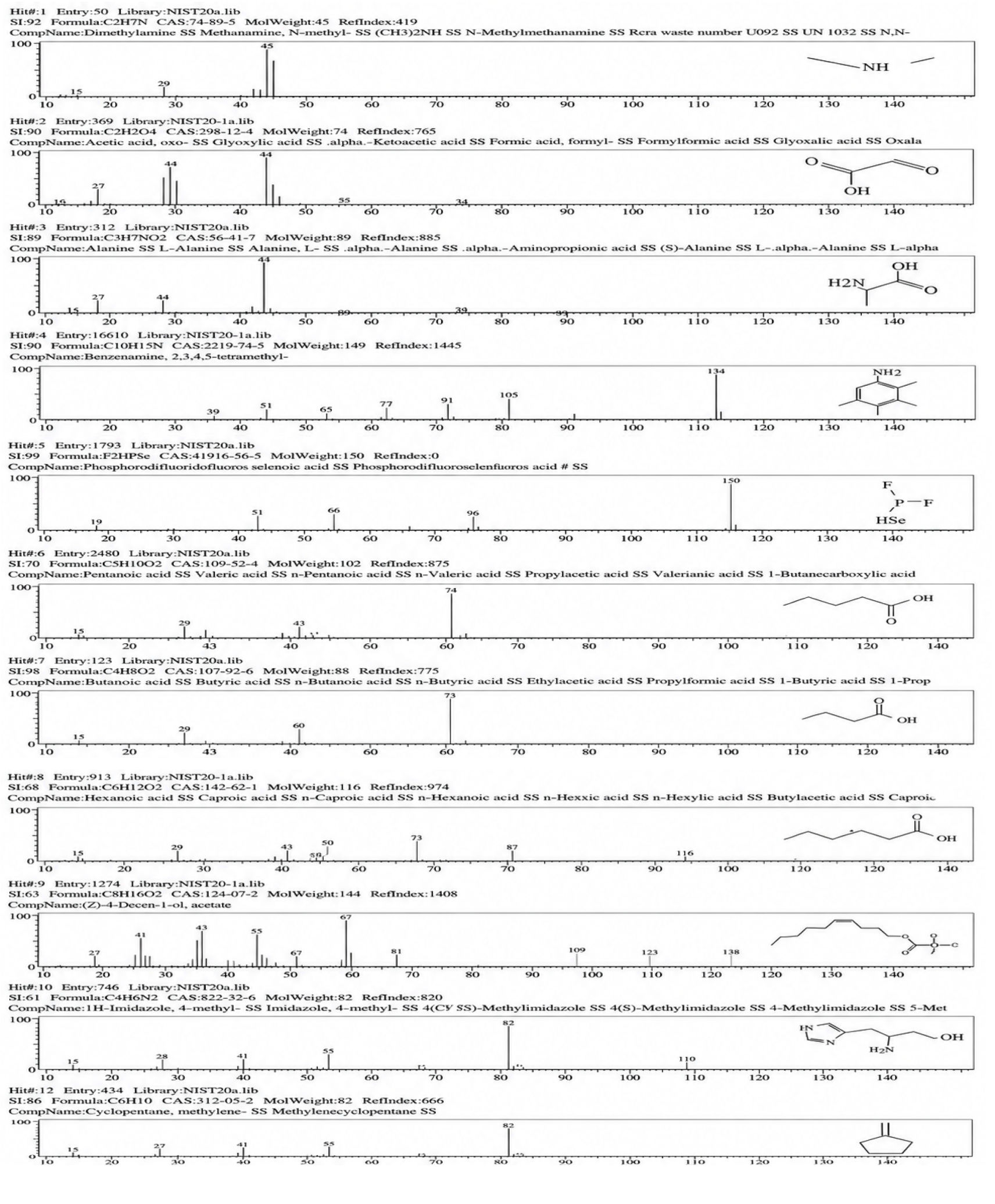
Figure 2 shows the results of gas chromatography-mass spectrometry (GC-MS) analysis of quinoa components. Different compounds were detected based on retention time (RT) and relative signal area (Area), with tentative identification based on mass spectral libraries. The reported compounds represent tentative identification rather than absolute confirmation.
Figure 2: Gas Chromatography-Mass Spectrometry(GC-MS) Analysis of Quinoa Grains
The results in Table 4 show the presence of nitrogen-containing compounds such as methylamine and histidinol (tentative), which are related to amino metabolism. Histidinol is recognized as a precursor in the biosynthetic pathway of histidine, rather than being an amino acid itself detected directly. Quinoa also contains organic fatty acids such as butyric acid, caproic acid, and pentanoic acid, which supports its nutritional value as a source of energy and healthy lipids [8]. The presence of some aromatic compounds and hydrocarbons in general was also detected, including benzenamine derivatives and heterocyclic compounds such as 4-methylimidazole. These results reflect the complex chemical composition of quinoa and confirm its high nutritional and functional potential.
Table 4: Presence of Nitrogen-Containing Compounds such as Methylamine and Histidinol
Peak No.
Retention Time (min)
Compound Name
Molecular Formula
Peak Area
1
2.041
Volatile compound (possible artifact)
—
3229245
2
13.927
Benzenamine derivative
C10H15N
12147
3
18.207
Pentanoic acid
C5H10O2
50430
Butyric acid
C4H8O2
Hexanoic acid (Caproic acid)
C6H12O2
4
20.078
17-Octadecynoic acid
C18H32O2
1166504
5
20.212
4-Methylimidazole
C4H6N2
7452
Histidinol (tentative)
C6H11N3O
Compounds listed under the same retention time are tentatively identified due to co-elution. The peak area corresponds to the total area of the combined peak
pH Value
From Table 5, we note the change in pH in the yogurt enriched with quinoa milk during the storage period. The control sample (0% quinoa) maintained the highest pH values throughout the storage period, which means that the rate of acidity increase in it was slower than in the samples replaced with quinoa milk. We note that the higher the percentage of quinoa milk, the faster the pH value decreased At 25% and 50% quinoa, there were no significant differences compared to the control sample. At 75% and 100%quinoa concentrations, acidity increased significantly compared to the rest of the samples. These results are consistent with El-Deeb et al., [28]. Recent work by Alsadun et al. [29] also reported that quinoa supplementation significantly accelerated acidification and reduced pH during fermentation of quinoa-supplemented milk products. The lower pH may be due to quinoa containing fermentable sugars or compounds that help stimulate the activity of lactic bacteria, which leads to increased lactic acid production and consequently increased acidity in yogurt. This is consistent with what was stated by Saadi et al., [30].In terms of quantitative changes, the pH values decreased progressively during storage in all treatments. The greatest reduction was observed in T4 (100% quinoa), where pH decreased from 4.21 on day 1 to 3.86 on day 14, indicating a higher acidification rate compared to the control (T0), which showed only a slight decrease from 4.30 to 4.23. In contrast, treatments T1 and T2 exhibited minor reductions with no significant differences compared to the control at certain storage intervals, as indicated by the overlapping superscript letters. The significant differences observed in T3 and T4 suggest that higher quinoa substitution levels enhanced fermentation activity and acid production over time.
Table 5: Effect of Replacing Quinoa Milk in Yogurt on pH Values during Storage Period
Samples
Storage Period ( days)
1
7
14
T0
4.3±0.19 a
4.26±0.03 ab
4.23±0.02 abc
T1
4.27±0.03 ab
4.22±0.02 abc
4.17±0.01 abc
T2
4.24±0.035 abc
4.15±0.049 abc
4.10±0.02 bc
T3
4.22 abc
4.11 abc
4.1 bc
T4
4.21±0.014 abc
4.05±0.212 c
3.86±0.01 d
Similar letters indicate that there are no significant differences at the 0.05 probability level
Viscosity
Table 6 shows the effect of replacing cow's milk with quinoa milk in yogurt. We note that the control sample (0% quinoa) maintained a high viscosity, indicating the stability of the texture thanks to milk proteins (casein). Adding 25% and 50% quinoa did not significantly affect the viscosity compared to the control sample, indicating that these proportions did not significantly weaken the texture. However, adding 75% and 100% quinoa led to a decrease in viscosity. This indicates that quinoa has an effect on the texture, which may be due to the weakness of the protein network, the low casein content, and the increase in soluble compounds that reduce the gel strength due to the proteolytic enzymes secreted by the starter cultures. These results are consistent with Costa et al. [31] and Alkobeisi et al. [32].In terms of quantitative analysis, viscosity increased during storage in T0, T1, and T2, with T0 rising from 2450 to 2840 and T1 and T2 reaching values close to the control at day 14. In contrast, T3 showed lower viscosity values, while T4 recorded a significant decrease from 600 to 440. Statistically, T4 showed significant differences (p<0.05) compared to the other treatments, whereas T0, T1, and T2 showed no significant differences at certain storage periods, as indicated by the superscript letters.
Table 6: Effect of Replacing Quinoa Milk in yogurt on Viscosity during Storage Period
Samples
Storage Period ( days)
1
7
14
T0
2450±70.71 c
2520±42.42 bc
2840±84.85 a
T1
2500±141.42 bc
2550±70.71 bc
2840±56.56 a
T2
2475±247.48 bc
2700±141.42 ab
2890±14.14 a
T3
2375±35.3 c
2450±70.71 c
2350±70.71 c
T4
600±70.71 d
505±134.35 d
440±56.56 d
Similar letters indicate that there are no significant differences at the 0.05 probability level
Whey Separation
From the results in Table 7. we note an increase in whey separation over time in all samples, indicating that storage leads to the disintegration of the protein network in the yogurt, thus increasing whey separation. The control sample (0% quinoa) showed gradual whey separation, with values increasing from 17.5 to 25 over the days. Adding 25% and 50% quinoa did not Significant changes occurred compared to the control sample, indicating that these ratios did not significantly affect the stability of the curd. While the addition of 75% quinoa showed a significant increase in whey separation compared to the lower ratios, the addition of 100% quinoa saw the highest whey separation, with values increasing from 57.5 on day 1 to 72.5 on day 14 This indicates a weak consistency in yogurt enriched entirely with quinoa milk, as reported by Alkobeisi et al., [32]. This may be due to the fact that quinoa milk may contain fermentable sugars, which leads to increased lactic acid production and, consequently, increased acidity in yogurt. High acidity leads to a weakened protein structure, which reduces the milk's ability to retain water and leads to increased whey separation [33,34].
Table 7: The effect of replacing quinoa milk in yogurt on whey separation during storage period
Samples
Storage period ( days)
1
7
14
T0
17.5±3.53 d
20.5±3.53 d
25±7.07 cd
T1
15±2.12 d
18±2.82 d
22±4.24 cd
T2
15.5±2.12 d
18±1.41 d
22±2.82 cd
T3
25±7.07 cd
26±5.65 cd
32±9.89 c
T4
57.5±3.53 b
62.5±3.53 ab
72.5±3.53 a
Similar letters indicate that there are no significant differences at the 0.05 probability level
Total Bacterial Count
The results of the total bacterial count in the various samples indicate a clear effect of adding quinoa milk on bacterial growth during storage. The results in Table 8 show that increasing the percentage of quinoa milk in the yogurt was associated with an increase in the count. The total bacterial count was higher across all storage periods. The sample containing 100% quinoa milk had the highest bacterial count compared to the control sample (0% quinoa), increased from 55 to 83 (×10³ CFU/mL) on day 14, while the control sample did not exceed 63 at the end of storage. This positive effect is attributed to the fact that quinoa is rich in nutrients, such as proteins, amino acids, vitamins, and minerals, which may provide a favorable environment for the growth of beneficial yogurt bacteria. Our results were consistent with El-Deeb et al., [28].Overall, all treatments showed an increasing trend during storage, with higher quinoa substitution levels (T3 and T4) exhibiting greater bacterial counts compared to the control, indicating a positive relationship between quinoa addition and bacterial growth, likely due to improved nutrient availability supporting starter culture activity.
Table 8: Effect of Replacing Quinoa Milk in Yogurt on the Total Bacterial Count during the Storage Period (×10³ CFU/mL)
Samples
Storage period ( days)
1
7
14
T0
50
65
63
T1
50
67
65
T2
52
73
68
T3
53
75
77
T4
55
80
83
Values represent the total bacteria counts in yogurt, expressed as ×10³ CFU/mL according to the dilution factor used during enumeration
Lactic acid bacteria
Lactic acid bacteria are the primary component of yogurt fermentation, playing a key role in improving the product's texture, producing flavor, and controlling acidity. The results in Table 9 indicate that the initial number of lactic acid bacteria on the first day was similar across all samples. However, as the percentage of quinoa milk replacement increased, the numbers were slightly higher compared to the In the standard sample, on day 7, the number of bacteria increased in all samples, but the increase was greater in the samples containing a higher percentage of quinoa milk. At day 14, the number of lactic acid bacteria remained high in all samples, but the yogurt replaced with 100% quinoa milk retained the highest number 67, while the standard sample witnessed A slight decrease to 50. As for the effect of the storage period, we note that during the first week, the number of bacteria increased significantly in all samples, reflecting their activity in consuming lactose and producing lactic acid. In the second week, the number of bacteria continued to increase in the samples containing quinoa milk, which may be a result of nutrient depletion or the accumulation of organic acids that affect bacterial stability [35].Quantitatively, T0 increased from 40 to 52 then decreased to 50, whereas T4 showed a continuous increase from 45 to 70 and finally 67 at day 14, indicating better bacterial survival in quinoa-enriched samples compared to the control.
Table 9: Effect of Replacing Quinoa Milk in Yogurt on Lactic Acid Bacteria during the Storage Period (×10³ CFU/mL)
Samples
Storage period ( days)
1
7
14
T0
40
52
50
T1
41
58
54
T2
43
60
58
T3
45
66
63
T4
45
70
67
Values represent lactic acid bacteria counts in yogurt, expressed as ×10³ CFU/mL according to the dilution factor used during enumeration
Sensory Evaluation
By analyzing Table 10, it is clear that substituting quinoa milk in different proportions affected the sensory properties of the yogurt. The results are expressed as mean values with statistical grouping based on Duncan’s test. The standard treatment received the highest taste rating 40a. However, when 25% quinoa milk was added, there was no significant decrease in taste 38.33a, indicating that this ratio is sensory acceptable. The decrease in flavor scores may be attributed to the characteristic taste of quinoa milk. This suggests that low substitution levels do not adversely affect consumer acceptability. As the quinoa ratio increased to 50% and 75%, Flavor scores gradually decreased 33.66bc to 24.33ef. Changes in aroma could be related to volatile compounds present in quinoa. At 100% quinoa, the lowest taste score was 13.33i, indicating that flavor may be undesirable when completely replacing cow's milk. Aroma also decreased significantly with replacement ratios. The odor was 30a in the standard treatment, and with 25% quinoa, it decreased slightly but remained acceptable. 29a. At 50%, clear differences began to appear, with values dropping to 25.33bc. At 100% quinoa, the aroma was the least rated 9.66h, indicating a significant change in the properties of the curd. Color was also significantly affected by the increased quinoa content, with values dropping from 15a in the standard sample to 6.33g at 100% quinoa. This suggests that the color may It becomes unattractive when using high amounts of quinoa milk. The texture was highest in the standard sample 15a, and gradually decreased with increasing quinoa percentage, being 10.33bc at 50% and 5.33d at 100%. This sharp decrease reflects the effect of the texture being affected by the change in the composition of the yogurt when replacing cow's milk with quinoa milk. From this, we conclude that adding 25% of cow's milk Quinoa does not significantly affect sensory properties, making it an acceptable fortification ratio. These findings indicate that partial substitution provides a balance between nutritional enhancement and sensory quality. At 50% quinoa, sensory differences begin to appear, and the product may require improvements such as the addition of flavorings or texture stabilizers. Further optimization using stabilizers or flavor enhancers may improve product acceptability at higher substitution levels. These results are consistent with El-Deeb et al., [28].
Table 10: Effect of Replacing Quinoa Milk in Yogurt on Sensory Properties during Storage Period
Samples
Storage period (days)
Taste 40%
Aroma 30%
Color 15%
Texture 15%
T0
1
40 a
30 a
15 a
15 a
7
38.33 a
29 a
14.66 a
14 a
14
33.66 bc
26.33 bc
13 a
11.66 b
T1
1
36 ab
26.66 b
12.66 b
11.33 b
7
34 bc
26.33 bc
12.33bc
11.33 b
14
33.33 bc
24.66 bcd
11.66 bcd
10.33 bc
T2
1
33.33 bc
26.33 bc
12 bc
12b
7
31.66 c
25.33 bc
11.66 bcd
11.33 b
14
29.66 cd
24.33 cd
10.66 cd
9.33 c
T3
1
27.33 de
24.33 cd
12 bc
10.66 bc
7
24.33 ef
22 ef
11.33 bcd
10.66b c
14
21.33 fg
20 f
10 de
9.33 c
T4
1
17.66 gh
13 g
8.66 ef
6 d
7
15.33 hi
11 h
7.66 gf
5.66 d
14
13.33 i
9.66 h
6.33 g
5.33 d
Similar letters indicate that there are no significant differences at the 0.05 probability level
CONCLUSION
This study showed that using 25%-50% quinoa milk resulted in a sensory-acceptable product without significantly affecting the physicochemical and bacteriological properties of the product. The results also showed that quinoa grains contain a relatively high percentage of protein and high-quality amino acids. In addition to other bioactive compounds,Overall, quinoa milk can be considered a promising partial alternative ingredient in yogurt production, particularly for developing functional dairy products targeted at lactose-intolerant consumers or individuals seeking plant-based protein sources. It may also contribute to diversifying food resources in low-income regions.
REFERENCE
Akin, Z. and Ozcan, T. "Functional properties of fermented milk produced with plant proteins." LWT, vol. 86, 2017, pp. 25–30. https://doi.org/10.1016/j.lwt.2017.07.025
Zhai, J. et al. "Nutritional health aspects and functional properties of nut yogurt: Future perspectives." Food Chemistry: X, vol. 25, 2025, pp. 102102.
Zeena, D.A. et al. "The effect of adding grape seed oil on the chemical, physical and microbial properties of yoghurt." IOP Conference Series: Earth and Environmental Science, vol. 1158, no. 11, 2023, pp. 112007. https://doi.org/10.1088/1755-1315/1158/11/112007
Ahmad, I. et al. "Fortification of yogurt with bioactive functional foods and ingredients and associated challenges: A review." Trends in Food Science and Technology, vol. 129, 2022, pp. 558–580. https://doi.org/10.1016/j.tifs.2022.11.003
Cardello, A.V. et al. "Sensory drivers of liking, emotions, conceptual and sustainability concepts in plant-based and dairy yoghurts." Food Quality and Preference, vol. 113, 2024, article 105077. https://doi.org/10.1016/j.foodqual.2023.105077
Food Insight. "2019 Food and Health Survey." Food Insight, 2019. Available from: https://foodinsight.org
Boeck, T. et al. "Nutritional properties and health aspects of pulses and their use in plant-based yogurt alternatives." Comprehensive Reviews in Food Science and Food Safety, vol. 20, 2021, pp. 3858–3880. https://doi.org/10.1111/1541-4337.12778
Valencia-Chamorro, S.A. "Quinoa." In: Encyclopedia of Food Science and Nutrition, vol. 8, 2003, pp. 4895–4902.
Ajbli, A. et al. "Effect of quinoa flour on fermentation, physicochemical and sensory properties of goat milk yogurt." Frontiers in Sustainable Food Systems, 2025. https://doi.org/10.3389/fsufs.2025.156199
Repo-Carrasco-Valencia, R.A.M. and Serna, L.A. "Quinoa (Chenopodium quinoa Willd.) as a source of dietary fiber and other functional components." Ciência e Tecnologia de Alimentos, vol. 31, no. 1, 2011, pp. 225–230.
Obaroakpo, J.U. et al. "Bioactive assessment of the antioxidative and antidiabetic activities of oleanane triterpenoid isolates of sprouted quinoa yoghurt beverages and their anti-angiogenic effects on HUVECS line." Journal of Functional Foods, vol. 66, 2020, pp. 103779. https://doi.org/10.1016/j.jff.2020.103779
AOAC. Official Methods of Analysis. Association of Official Analytical Chemists, 2000.
Khalil, E. and Mahmoud, S. "Estimation of the active and functional components of basil seed gum extract and their use in whole." NTU Journal of Agriculture and Veterinary Science, vol. 3, no. 3, 2023.
American Public Health Association. Standard Methods for Examination of Dairy Products. 4th ed., edited by Marth, E.H., American Public Health Association, 1978.
Abdul-Jalill, R.D.H. "GC-MS analysis of Calendula officinalis and cytotoxic effect of its flower crude extract on human epidermoid larynx carcinoma (Hep-2)." World Journal of Pharmaceutical Sciences, vol. 3, no. 4, 2014, pp. 237–275.
Dahl-Lassen, R. et al. "High-throughput analysis of amino acids in plant materials by single quadrupole mass spectrometry." Plant Methods, vol. 14, no. 8, 2018.
Scriver, C.R. et al.The Metabolic and Molecular Bases of Inherited Disease. 8th ed., McGraw-Hill, 2001, pp. 1665–2105.
Liu, H. et al. "Determination of purity values of amino acid reference materials by mass balance method: An approach to the quantification of related structure impurities." Analytical and Bioanalytical Chemistry, vol. 412, no. 29, 2020, pp. 8023–8037.
Nelson, J.A. and Trout, G.M. Judging Dairy Products. Olsen Publishing Co., 1964.
Antar, S.H. Statistical Analysis in Scientific Research and SAS Program. University of Mosul, Faculty of Agriculture and Forestry, Book House for Printing and Publishing, 2010.
Angeli, V. et al. "Quinoa (Chenopodium quinoa Willd.): An overview of the potentials of the ‘golden grain’ and socio-economic and environmental aspects of its cultivation and marketization." Foods, vol. 9, no. 216, 2020. https://doi.org/10.3390/foods9020216
Al-Sayed, H.M.A. et al. "Nutritional applications of quinoa seeds (Chenopodium quinoa W.) and their effect on diabetic rats." International Journal of Pharmaceutical Research and Allied Sciences, vol. 8, no. 4, 2019, pp. 23–36.
Jangra, A. et al. "Unraveling the role of quinoa in managing metabolic disorders: A comprehensive review." Current Nutrition Reports, vol. 14, no. 1, 2025, pp. 4.
Craine, E.B. and Murphy, K.M. "Seed composition and amino acid profiles for quinoa grown in Washington State." Frontiers in Nutrition, vol. 7, 2020, pp. 126.
Escuredo, O. et al. "Amino acid profile of the quinoa (Chenopodium quinoa Willd.) using near infrared spectroscopy and chemometric techniques." Journal of Cereal Science, vol. 60, no. 1, 2014, pp. 67–74.
Usman, M.A. and Bolade, M.K. "Comparative assessment of changes induced by malting on the proximate composition and amino acid profile of three classes of sorghum [Sorghum bicolor (L.) Moench] grains." Journal of Experimental Food Chemistry, vol. 3, no. 4, 2017.
El-Deeb, A.M. et al. "Preparation and properties of flavored fermented beverage based on partial or complete replacement of milk with quinoa seeds water extract (QSWE)." International Journal of Dairy Science, vol. 9, 2014, pp. 96–105. https://doi.org/10.3923/ijds.2014.96.105
Alsadun, A.F.A. et al. "Impact of co-fermenting modified camel milk using yogurt starter culture and Limosilactobacillus fermentum on the quality of quinoa-supplemented fermented milk products." Frontiers in Nutrition, vol. 12, 2025, pp. 1703215. https://doi.org/10.3389/fnut.2025.1703215
Saadi, L. et al. "Pulse ingredients supplementation affects kefir quality and antioxidant capacity during storage." LWT – Food Science and Technology, vol. 86, 2017, pp. 619–626.
Costa, M.F. et al. "Impact of prebiotics on the rheological characteristics and volatile compounds of Greek yogurt." LWT, vol. 105, 2019, pp. 371–376. https://doi.org/10.1016/j.lwt.2019.02.007
Alkobeisi, F. et al. "Quinoa flour as a skim milk powder replacer in concentrated yogurts: Effect on their physicochemical, technological, and sensory properties." Food Science and Nutrition, vol. 10, 2022, pp. 1113–1125.
Jeske, S. et al. "Polyol-producing lactic acid bacteria isolated from sourdough and their application to reduce sugar in a quinoa-based milk substitute." International Journal of Food Microbiology, vol. 286, 2018, pp. 31–36.
Ahmed, J. et al. "Rheological, structural and functional properties of high-pressure treated quinoa starch in dispersions." Carbohydrate Polymers, vol. 197, 2018, pp. 649–657. https://doi.org/10.1016/j.carbpol.2018.05.081
Fernández-López, J. et al. "Quinoa and its co-products as ingredients for the development of dairy analogs and hybrid dairy products." Current Food Science and Technology Reports, vol. 2, no. 3, 2024, pp. 319–331.
Recommended Articles
Research Article
Vision for a Brighter Kangra: Unmasking the Truth about Pink Eye – A Comprehensive Study on Types, Symptoms, and Proactive Prevention in Himachal Pradesh’s Kangra District
Deepti ,
...
Garima
Published: 11/11/2023
Download PDF
Research Article
Leigh Syndrome Should Not Be Diagnosed Exclusively Upon Cerebral MRI
Finsterer J
Published: 15/07/2020
Download PDF
Research Article
It Remains Unproven That the Variant M.8231C>A Causes Coronary Atherosclerosis
Finsterer J
Published: 15/07/2020
Download PDF
Research Article
Bioactive ingredients screening and antibacterial activity of Citrus aurantifolia leaf extract against some enteric isolates
Abdallah M.S,
Kabiru Sama’ila
Published: 10/08/2020
Download PDF
PO Box 101, Nakuru
Kenya.
Email: office@iarconsortium.org
Editorial Office:
J.L Bhavan, Near Radison Blu Hotel,
Jalukbari, Guwahati-India
Mahmood, S. J. (2026). The Use of Plant-Based Quinoa Milk in the Manufacture of a Fermented Milky Drink. IAR Journal of Medical Sciences, 7(1), 1-9.
MLA
Mahmood, Shaymaa J.. "The Use of Plant-Based Quinoa Milk in the Manufacture of a Fermented Milky Drink." IAR Journal of Medical Sciences 7.1 (2026): 1-9.
Chicago
Mahmood, Shaymaa J.. "The Use of Plant-Based Quinoa Milk in the Manufacture of a Fermented Milky Drink." IAR Journal of Medical Sciences 7, no. 1 (2026): 1-9.
Harvard
Mahmood, S. J. (2026) 'The Use of Plant-Based Quinoa Milk in the Manufacture of a Fermented Milky Drink' IAR Journal of Medical Sciences 7(1), pp. 1-9.
Vancouver
Mahmood SJ. The Use of Plant-Based Quinoa Milk in the Manufacture of a Fermented Milky Drink. IAR Journal of Medical Sciences. 2026 Jan;7(1):1-9.


 Download PDF
 Download XML