Diabetes mellitus is one of the most important and fast-incriminating public health problems of the twenty-first century. Being one of the main non-communicable diseases, it has both clinical morbidity and a significant social, economic and health system burden in the global arena. In this article, the burden of diabetes mellitus is analyzed through an integrated approach that combines epidemiological trends, social determinants of health and the challenges associated with health system capacity. The incidence of diabetes has risen significantly over the past few decades worldwide, primarily due to demographic changes, urbanization, changing lifestyles and population aging, with the rate of rise being higher in low- and middle-income nations. This pattern of epidemiology highlights the importance of diabetes as a significant cause of untimely deaths, disability, as well as long-term effects, which increases the total disease burden. In addition to biological risk factors, socioeconomic status, education and living conditions, as well as access to resources, are important socioeconomic factors that determine diabetes risk, disease progression and outcomes. Disproportionate exposure to these determinants is a factor in the continued existence of health inequities, which affect not only the distribution of diabetes but also the ability of people and communities to control the disease successfully. Meanwhile, health systems in most regions are increasingly pressurized to adequately address the increase in demand of chronic disease prevention and care. Restrictions in the capacity of the health system, such as workforce gaps, disjointed service provision, lack of funding and insufficiency in managing new challenges, limit the ability to effectively control diabetes and increase the current inequities. This article integrates evidence in these areas to emphasize the idea that diabetes mellitus is a multidimensional burden that needs an integrated epidemiological surveillance that demands action on social determinants and strong and resilient health systems. This form of integration is necessary to reduce the present and future effects of diabetes on the global population.
Keywords
Diabetes Mellitus
Global Disease Burden
Epidemiology of Diabetes
Social Determinants of Health
Health System Capacity
Non-Communicable Diseases (NCDs)
Health Inequities
INTRODUCTION
Diabetes mellitus is a persistent metabolic illness characterised by continuous hyperglycaemia due to an insulin secretion defect or insulin action or both. It consists of a number of specific yet related disorders, among which the most important are type 1 diabetes, type 2 diabetes and gestational diabetes. Type 1 diabetes is mainly typified by autoimmune destruction of pancreatic β-cells, resulting in absolute insulin deficiency and type 2 diabetes, which is the most common, is mainly caused by insulin resistance and relative insulin insufficiency. Gestational diabetes is a condition that develops during pregnancy and is connected with the problems of increased maternal and child health risks and the increased probability of type 2 diabetes developing in the future [1-3].
Diabetes mellitus is considered to be one of the most significant non-communicable diseases and a significant cause of the global NCD burden. Diabetes is associated with a significant percentage of early death and disability in the world, along with cardiovascular diseases, cancers, as well as chronic respiratory diseases. The increasing prevalence is an indication of increased global trends like the ageing of the population, urbanization, dietary changes, and reduced physical activity. The burden that diabetes presents to individuals, families and health systems is long-term, making it unique as a medical and socially significant issue [3,4], which poses it as a healthcare and social concern.
The multidimensional approach to diabetes, based on epidemiology, social determinants of health and the health system issue, is important in examining the whole extent of the burden of diabetes. Epidemiological analysis offers a perspective on patterns of incidence, prevalence and distribution among populations and regions and shows a significant difference by age, sex, socioeconomic status and geography. But epidemiology cannot be the sole cause of explanation as to why certain groups are disproportionately affected by diabetes. The exposure to risk factors, the health behaviours and the capacities to access and comply with the care are influenced by social determinants of health, such as income, education, living and working conditions and access to resources. Simultaneously, the success of diabetes prevention and management heavily relies on the capacity of the health systems, including the availability of services, the power of the workforce, the funding system and the readiness of the system to address the increasing demand for chronic diseases.
The importance of diabetes mellitus is especially high in the low and middle-income countries, where the burden of disease grows at a higher rate in comparison with high-income environments. Health systems in most LMICs that were traditionally focused on acute and infectious diseases are now faced with the simultaneous problem of coping with communicable and NCDs that are rapidly increasing in prevalence. To make the situation even worse, insufficient resources, unequal access to care and poor primary healthcare infrastructure have an added effect on the burden of diabetes, leading to preventable complications and aggravating health disparities [4].
It is against this background that this article aims to examine the burden of diabetes mellitus as a multidimensional health issue of the population. The article seeks to provide epidemiological evidence with a social determinant analysis and health system crisis in an attempt to identify the interplay of factors that contribute to the global epidemic of diabetes, as well as the need to respond to the rising and emerging global health epidemic in a comprehensive, equity-focused and systems-wide manner.
Conceptual Overview of the Burden of Diabetes Mellitus
The burden of disease concept is defined as the net effect of a health condition on a population and it includes both mortality and morbidity and the overall social and economic effects of being sick. The most common operationalizations are based on composite measures, including those years of disability lost to premature death and years lived with disability (disability-adjusted life years). This system allows assessing the overall impacts of diseases on the health, productivity and well-being of populations, which go beyond mere prevalence or incidence [5,6].
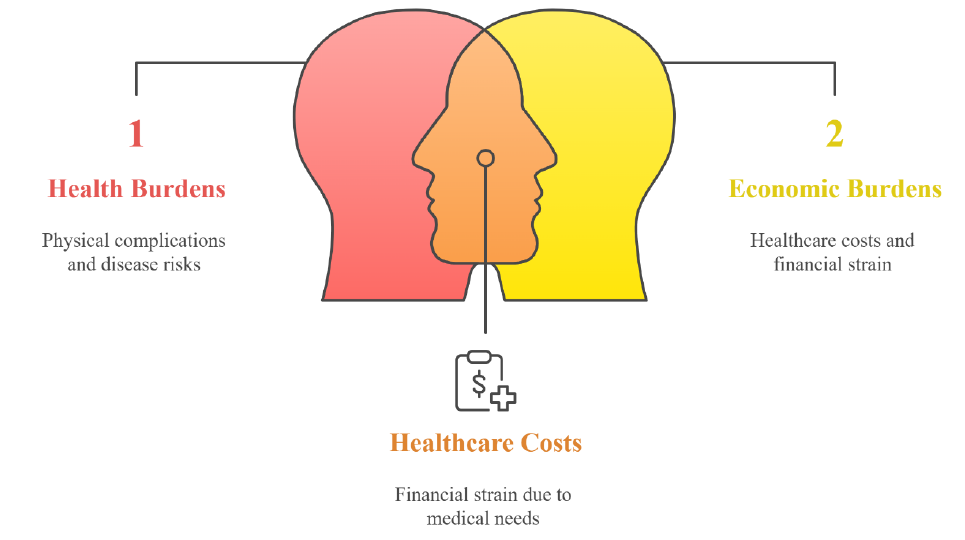
Figure 1: Burden of Diabetes Mellitus
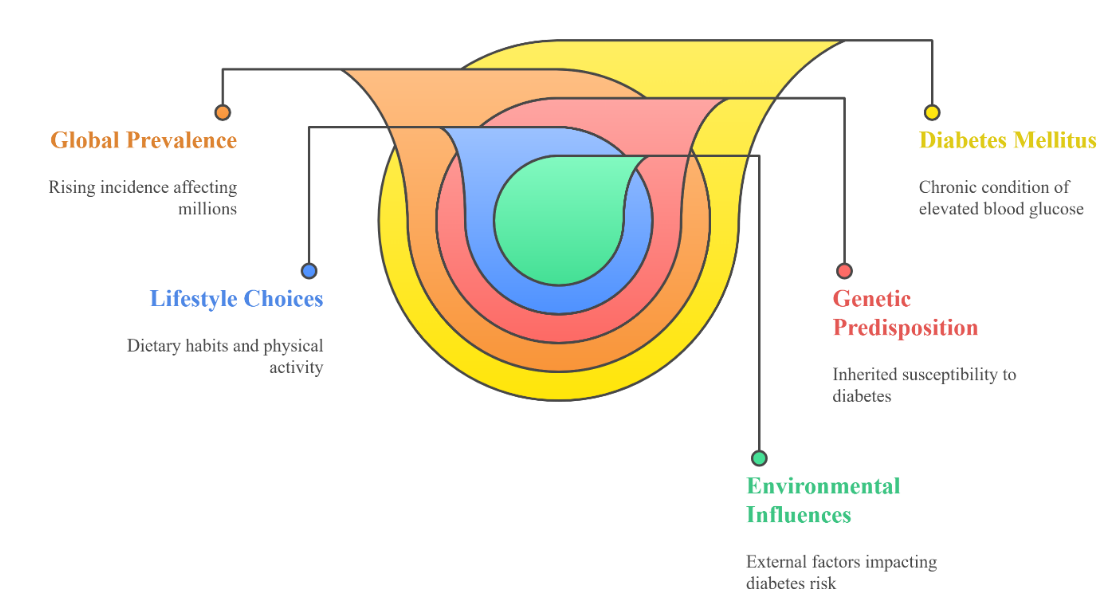
Figure 2: Epidemiology of Diabetes Mellitus
In this context, diabetes mellitus is a significant disease burden that is complex. Diabetes is clinically linked with a diverse number of acute and chronic complications that have high morbidity and mortality. The persistent hyperglycaemia is associated with both the macrovascular complications, coronary artery disease and stroke and the microvascular complications, nephropathy, retinopathy and neuropathy. Decades of research testify that these complications gradually increase, causing progressive disability in the victims and lowering their quality of life [7,8]. Consequently, diabetes is a major cause of years lived with disability and is one of the leading causes of DALY in most areas (Table 1).
The cost aspect of the diabetes burden is also quite high. The direct medical expenses related to glucose reduction treatment, monitoring and management of complications put a significant burden of financial strains on the health systems and the indirect costs in terms of productivity loss, absenteeism and premature retirement increase the burden on society (Figure 1). These are unequal economic impacts that individual and household resources are disproportionately impacted and a burden on the health systems that have limited capacity to absorb long-term costs of chronic disease treatment [4,6].
In addition to its direct clinical and economic outcomes, diabetes has a wider social impact on society, as it strengthens social inequalities and constrains social participation. Patients with diabetes might have a diminished level of education and work, dependence and psychosocial pressure, especially in an environment of limited access to regular care and social security. These social effects underscore the fact that diabetes is neither a biomedical issue nor a factor in social and economic disadvantage.
The overall non-communicable disease environment is also closely related to diabetes mellitus. It is often comorbid with other NCDs and has similar risk factors, including poor diets, lack of exercise, weight and chronic inflammation. The most common cause of mortality in diabetic patients is cardiovascular disease and diabetes predisposes individuals to myocardial infarction and stroke significantly [8,9]. Similarly, diabetes is a significant cause of chronic kidney diseases as well as an association with high thrombotic risks, which further increases morbidity and mortality. These interrelations highlight how diabetes is a cause and effect of the overall NCD burden, which increases its effects on population health (Table 1).
Collectively, these clinical, economic and societal aspects depict a vast load of diabetes mellitus and justify the necessity to have comprehensive strategies that can respond to its trends, social factors and impacts on the healthcare system.
Table 1: Global Classification and Burden of Diabetes Mellitus
Type of Diabetes
Key Characteristics
Global Prevalence Trends
Major Complications
Type 1 Diabetes
Autoimmune β-cell destruction leading to absolute insulin deficiency
Relatively stable but increasing in some regions
Ketoacidosis, microvascular complications
Type 2 Diabetes
Insulin resistance with relative insulin deficiency
Rapidly increasing globally, especially in LMICs
Cardiovascular disease, stroke, nephropathy
Gestational Diabetes
Hyperglycemia first detected during pregnancy
Increasing with maternal age and obesity
Obstetric complications, future type 2 diabetes
Epidemiology of Diabetes Mellitus
The epidemiology of diabetes mellitus is a dynamic and fast-changing issue of global health concerning the increasing prevalence, more pronounced geographic inequality and changing demographic trends. The occurrence and prevalence of diabetes in the world in the past few decades have risen significantly as a result of the complicated interplay of biological, behavioural and societal factors (Figure 2). It is clear, based on epidemiological data, that diabetes has ceased to be a disease of specific population groups and has become a genuine epidemic on a global scale and its implications are significant in terms of the health of populations and the sustainability of health systems [5,10].
The incidence of diabetes has been on the increase at the global scale, with the most significant increase being witnessed in type 2 diabetes. Although high-income countries traditionally had the highest burden, current tendencies prove that low- and middle-income countries rapidly increase the proportion of the population with diabetes and have become the largest contributors to it. This movement is a manifestation of the rapid urbanization, economic growth and the shift in lifestyle in these areas, which may take place without proper preventive facilities [4,10]. Therefore, disproportions are present in the morbidity and mortality associated with diabetes in LMICs, although the resources needed to control the disease are lower.
Epidemiological differences in diabetes are strong in the regions. Higher-income countries are more likely to suggest a high prevalence of the diagnosis, partly because of more developed systems of screening and surveillance. On the contrary, LMICs tend to be underdiagnosed heavily, which conceals the actual picture of the burden. However, forecasts show that the absolute number of patients with diabetes is bound to increase at a faster rate in LMICs than in the high-income environment in the next decades [10]. These differences serve as reminders that there is a need to conduct epidemiological evaluation contextually, taking into account the heterogeneity of the health system capacity and population structure (Table 2).
The prevalence of diabetes is also highly dependent on age and sex. Risk of diabetes is cumulative in relation to increasing age in order to correspond to cumulative exposure to risk factors and age-related metabolic changes. But the recent data indicate that there is a worrying trend of increased type 2 diabetes in younger adults and adolescents that is developing at earlier ages, especially in urbanized areas, which is associated with the increased duration of the disease and the risk of lifetime complications [11]. It has also been noted that sex differences in the prevalence and outcomes of diabetes are affected by biological aspects and also gendered patterns of behaviour, access to care and health-seeking behaviours [5].
The epidemiology of diabetes is also diverse based on urban-rural differentiation. The prevalence rates in urban populations are higher and this can be largely attributed to sedentary lifestyles, higher consumption of high-energy dietary foods and environmental issues that accompany urban habitation. Although not traditionally affected, rural areas are also getting exposed to increasing rates of diabetes due to rural lifestyle changes and the further availability of processed foods [5,12]. The trends indicate that there is a tendency towards the unification of the urban and rural risk profiles in the long term.
On the time side, the prevalence of diabetes has grown drastically in recent decades, with no sign or indication of its levelling off in most areas. Projections using existing patterns suggest a further increase in the worldwide prevalence of diabetes, which will be caused by the ageing of populations, urbanisation and the continuation of poor lifestyle habits [10]. Demographic changes, such as longer life expectancy and a low fertility rate, are another issue that leads to a higher percentage of the population living in age brackets associated with diabetes.
Poor dietary habits, sedentary lifestyles and excessive weight are the key lifestyle determinants of such epidemiological trends. Their influence on the wider demographic and socioeconomic changes supports the globalization of the diabetes epidemic in different contexts. The combined effect of these epidemiological understandings is that the diabetes epidemic is large and multifaceted and that prevention and control strategies on the population level are urgent.
This epidemiological review has shown that diabetes mellitus is a world disease with regional patterns and trends, influenced by changes in demography, lifestyles and structural factors that still contribute to its growing burden in the world.
Table 2: Global and Regional Prevalence of Diabetes Mellitus
Region
Estimated Prevalence
Number of Affected Individuals
Trend Direction
High-income countries
Moderate to high
Tens of millions
Increasing slowly
Low- and middle-income countries
Moderate but rapidly rising
Hundreds of millions
Increasing rapidly
Sub-Saharan Africa
Lower reported prevalence
Millions (substantial underdiagnosis)
Increasing
South and East Asia
High and increasing
Very large populations affected
Increasing rapidly
Latin America and Caribbean
Moderate
Growing numbers
Increasing
Social Determinants of Diabetes Mellitus
Social determinants of health have a substantial impact on the risk, progression and management of diabetes mellitus, as these determinants involve the conditions under which individuals are born, grow, live, work and age. These determinants influence the exposure to risk factors, access to health care, and, finally, the health outcomes. These factors should be identified and tackled in order to comprehend the differences in the prevalence of diabetes and to create effective interventions aimed at serving populations with equity [13,14].
The state of socioeconomic status (SES) and income inequality are essential causes of diabetes. Low-income earners or those living in socioeconomically disenfranchised communities have higher chances of having reduced access to healthy foods, safe recreational areas and medical services (Table 3). These inequalities contribute to the exposure to obesity, unhealthy eating and late diagnoses, thus aggravating the development and complications of the disease [6,15].
Literacy education and health literacy have an impact on the knowledge, attitudes and practices concerning diabetes prevention and self-management. People with low education can possess less knowledge about risk factors, symptoms and treatment plans of diabetes, which can make it difficult to diagnose diabetes in time, tolerate therapy and change their lifestyle [13,16]. The system level of health literacy also defines the level of effectiveness of healthcare services in communicating the necessary information and accommodating self-care behaviour.
Urbanization and the built environment are also factors that increase the rate of diabetes through the opportunities for physical activity and accessibility of healthy foods. City dwellers are exposed to sedentary living, more use of motorized vehicles and more exposure to processed foods, all contributing to the increased risks of diabetes. On the other hand, these risks can be even aggravated by poorly designed urban environments that restrict safe areas to exercise [17,18].
Food systems and dietary habits have a direct impact on the health of metabolism. Foods rich in refined carbohydrates, saturated fats and sugars have the effect of raising obesity and insulin resistance, as well as reducing the consumption of fresh fruits and vegetables. The cultural practices and socioeconomic statuses also impact the dietary habits, introducing dissimilarity in risk among groups of people [12,19].
Other determinants include physical inactivity and work. Deskwork, extensive communications and a lack of physical activities during leisure time increase the incidence of type 2 diabetes. Sedentary occupations or jobs associated with limited movement are overrepresented in metabolic disorders, especially in urbanized places [5,17].
The attitudes toward illness and preventive care, as well as toward adherence to treatment, are determined by culture and beliefs about health-seeking behaviour. In other communities, alternative medicine can be the choice over biomedical care or the stigma can prevent the use of health services, resulting in late diagnosis and worse outcomes [14,20].
The risk of diabetes and access to care are different in gender and vulnerable groups. The women can encounter challenges associated with reproductive health, caregiving or inadequate autonomy in healthcare decisions. Cumulative disadvantage is a common phenomenon and outcomes and prevalence are worse in minority and marginalized groups [15,18].
All these social determinants, together, act as interplaying factors that expose individuals to risk factors, speed up the progression of the disease and affect access to timely and effective care. It is then important to address these determinants in order to curb the inequities in the health outcomes of diabetes and enhance the outcomes at the population level.
Through this analysis, the complexity of the relationship between social and structural determinants and the global diabetes epidemic has been highlighted and there is a need to intervene by focusing on individual behaviour and more expansive social determinants.
Table 3: Key Social Determinants and Their Impact on Diabetes Outcomes
Determinant
Pathway of Influence
Population Groups Most Affected
Socioeconomic Status and Income
Limited access to healthy foods, delayed diagnosis, restricted healthcare
Low-income communities, rural populations
Education and Health Literacy
Reduced knowledge of risk factors and treatment, poor self-management
Health System Challenges in Diabetes Prevention and Management
The ability and the functionality of health systems are critical in the prevention and treatment of diabetes mellitus. In most regions, mainly low and middle-income countries, the structure of the health systems is a limitation posing a constraint in the delivery of timely, equitable and quality care to persons living with diabetes. These barriers at a system level must be addressed to minimize morbidity and mortality, but a lot of the current obstacles have not been resolved [21,22].
Poor primary healthcare infrastructure is one of the root problems. A lack of proper infrastructure, workforce capacity and coverage of services is obstacle to early detection and management of diabetes. Primary care is frequently the first contact point of a patient and in case it is not well-resourced, there is a high risk of reduced opportunities for prevention, early diagnosis and patient education [21].
Low screening and early diagnosis contribute to an increased burden of undetected diabetes, which causes a delay in the initiation of treatment and increased vulnerability to complications. Late presentation and worse outcomes of the disease in many health systems are also caused by the absence or ineffective reach of high-risk populations with standardized screening programs [2,10].
Long-term treatment cost is one of the key impediments both to the patients and health systems. Lifelong medication, glucose levels and complications management are costly financially. The high out-of-pocket costs can also cause non-adherence to the treatment, especially in low-resource environments, as the health systems are not able to allocate enough resources to meet the increased demand [6].
The accessibility and the affordability of insulin remain a major challenge. In most LMICs, insulin is still inaccessible or unaffordable, which negatively affects the control of glycaemic loads and predisposes patients to both acute and chronic complications. The injustices in diabetic care are highlighted by supply chain inefficiency and cost obstacles [23].
The ability of health systems is further hampered by human resources limitations. The lack of qualified medical care professionals, such as physicians, nurses and diabetes educators, limits access to comprehensive management, counselling and follow-ups. The rural and underserved regions experience such gaps especially and they broaden the health disparities [22].
Poor integration of NCD services and fragmented care models are also a major problem that threatens effective management of diabetes. Most health systems are silos and the diabetes care is disconnected from the cardiovascular, renal or primary healthcare services. This division leads to ineffective care delivery, service redundancy and a lack of opportunities to have coordinated management [16,21].
Taken collectively, these system-level obstacles bring attention to the most urgent need to increase the capacity of health systems, enhance access to necessary medicine, workforce training and continuous inclusion of the services of chronic diseases. These problems cannot be solved without a concerted policy effort and long-term investment, focusing on structural solutions and not just patient behaviour as barriers.
This discussion highlights the fact that patient behaviours are not sufficient in controlling diabetes, but that the ability and the strength of the health system to offer integrated, accessible and equitable services are critical.
Table 4: Health System Challenges and Their Implications for Diabetes Control
Challenge
Impact on Patients
Health System Consequences
Weak primary healthcare systems
Delayed diagnosis, limited access to preventive services
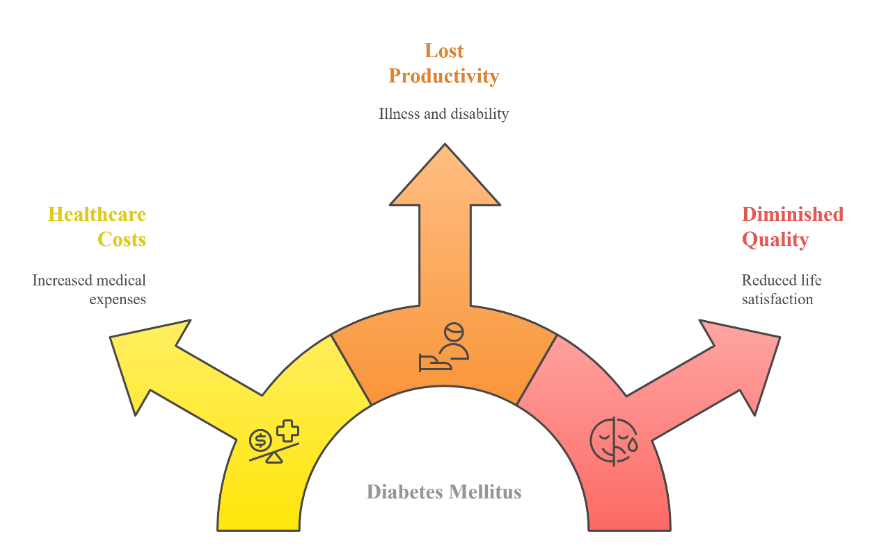
Figure 3: Economic and societal impact of diabetes mellitus
Economic and Societal Impact of Diabetes Mellitus
Diabetes mellitus has enormous economic and social costs that far outweigh the immediate clinical outcomes of the condition. They impact individuals, families and economies at the national scale, which underscores the need for a holistic policy response that would focus on both the medical and socioeconomic aspects of the epidemic (Figure 1) [5,6].
Direct medical costs are a big percentage of the economic burden. These cover costs of physician visits, lab tests, glucose monitoring, medicine, treatment of acute and chronic complications like cardiovascular disease, kidney complications, neuropathy, etc.
Out-of-pocket costs incurred to access these types of services in most countries, particularly in low- and middle-income-setting environments, can be high, preventing access to essential services and contributing to financial strain [1,23].
There is also a significant proportion of the diabetes burden in terms of indirect costs. Absenteeism, presenteeism and premature retirement are costly economic burdens to employers and society in terms of productivity losses. Also, the disability linked to diabetes complications decreases the level of participation in the workforce and the earning potential, which increases the burden that the illness places on society [6,9].
On a domestic scale, diabetes may cause chronic economic pressure. Long-term care is the expense that families incur in terms of transportation, health of the sick and assistance. This weight might damage the low-income household to the point of forcing the family into poverty, denying them access to investing in education, nutrition or other life-important requirements [4,13].
Regarding the health system, diabetes is a significant burden to the national economy. The rising rates of diabetes are translated into a rise in the number of patients requiring hospital services, drugs and specialized treatment at the expense of other urgent health issues. Poorly funded or organized health systems can have trouble offering equitable care to reduce economic and health disparities [16,21].
The burden of intergenerational effects also increases the burden on society. Gestational diabetes in women causes them to be at a higher risk of developing type 2 diabetes in the aftermath of delivery and the children are more prone to obesity and other metabolic disorders in the later stages of life. This creates a risk of disease across the generations, which strengthens the long-term social and economic cost of diabetes [2,11].
To conclude, diabetes has an economic and social impact with a multidimensional effect on both the personal well-being of patients, the stability of households, workforce productivity and health care systems of the countries. To meet these effects, there is a need to have combined approaches that involve effective clinical care and social safeguards, labour support and policy solutions to minimize financial and health disparities.
Policy and Health System Strengthening Perspectives
The current condition of escalating the burden of diabetes mellitus requires holistic measures beyond clinical interventions to involve health system strengthening, multisectoral collaboration and policy-level interventions. In order to be effective, the responses need to incorporate the elements of prevention, early detection, treatment and long-term management into the framework that puts equity and the resilience of the system first [12,16].
Multisectoral strategies are also necessary as the determinants of diabetes are present in the health, education, agricultural, urban planning and social welfare sectors. Policies that encourage healthy eating, physical exercise and fair access to care can help decrease the risk factors at the population level and help to address the social factors that influence the development of illnesses [13,18].
Prevention is an important measure in preventing the epidemic of diabetes. The onset of type 2 diabetes can be delayed or even prevented through population-level interventions, including the promotion of balanced nutrition, a reduced number of sugar-sweetened beverages, physical activity and early screening programs, especially among the high-risk groups [17,19].
Primary healthcare diabetes care means that diabetes care is accessible, continuous and patient-centred. By integrating diabetes prevention, diagnosis and treatment as a part of primary care, it enhances the detection of diabetes at an early stage, minimizes complications and maximizes the use of resources. Comorbidities, such as cardiovascular disease, hypertension and chronic kidney disease, can also be managed in an interconnected manner with the help of this approach [2,21].
Community-based interventions are used to supplement other health system initiatives to encourage health literacy, treatment adherence and use of local resources to encourage lifestyle change. Culturally specific education programs, peer support groups and community health worker programs are proven to be effective in enhancing the results of diabetes and decreasing inequities [12,20].
Universal health coverage (UHC) and health financing are critical to equitable access to the necessary diabetes care. The implementation of the policies can lower out-of-pocket spending, subsidize medications and ensure financial coverage of long-term care management, preventing disastrous health expenses and encouraging medical adherence, particularly in resource-constrained environments [6,16].
The disease surveillance, patient education and self-management support could be improved with the help of digital health and innovation, which include telemedicine, mobile health applications and electronic health records. Although these technologies are still developing in most low-resource settings, they have the potential to enhance care delivery, enhance the level of data-driven decision-making and increase access to underserved communities [21,24].
To conclude, successful management of diabetes involves system-wide interventions that involve policy change, integration of primary care, community involvement and new technologies. When multisectoral strategies are aligned with the preventive and curative approach, health systems will be able to mitigate the burden of diabetes, enhance population health and contribute to equitable population access to care.
Future Outlook and Public Health Implications
Unless the existing trends in the prevalence and exposure to risk factors of diabetes are reversed, the burden of diabetes is expected to be significantly high within the next several decades across the world. The steepest rates of increase in low- and middle-income countries will be caused by rapid urbanization and aging, as well as lifestyle changes, which entail favouring sedentary lifestyles and unhealthy diets [5,10]. Such a trend will cause increased premature deaths, disability and financial burden that will be an additional burden to already overstretched health systems.
The reduction of the burden of diabetes in the future is fundamentally based on addressing the social determinants of health. The factors leading to the excessive risk of diabetes among vulnerable populations include socioeconomic differences, lack of education, access to healthy foods and unsafe urban neighbourhoods. It is possible to decrease exposure to risk factors and improve disease prevention and help promote health equity through policies and programs that target these upstream determinants of health, including poverty reduction, health literacy and better food environments [13,18].
Strong health systems are also important to develop. The health systems should be ready to address the increasing need to provide chronic disease care, make diabetes services a part of primary healthcare, provide necessary drugs such as insulin at low costs and build the capacity to support long-term patient follow-up [16,21]. The resilience systems also have a greater ability to adapt to emerging challenges such as environmental pressures, pandemics and demographic changes that increase the burden of diabetes.
These projections highlight the urgency of adopting multisectoral strategies that can be used to integrate prevention, health system strengthening and social policy-level strategies by policymakers. In the case of health professionals, patient-centred approaches are required and early detection and management should be addressed, as well as health promotion should take place at the level of the community. To researchers, the changing epidemiology of diabetes makes longitudinal research and interventions that target social determinants and innovative solutions to sustainable care delivery ones [12,24].
Drawing a conclusion, the future trend of diabetes mellitus is one of the most important health problems of the population. Mitigation would necessitate coordinated efforts in various sectors and an investment in equitable capacity of health systems and strategies that would focus on the underlying social and environmental factors that cause disease. In the absence of such broad-based strategies, the burden of diabetes in the world will continue to rise, continuing health inequities and putting high costs to society and economies.
CONCLUSION
Diabetes mellitus is a multidimensional and multifaceted public health issue that keeps rising worldwide, especially in the low-income and middle-income nations. This article has looked into its burden in three interdependent perspectives: epidemiology, social determinants of health and health system problems. The epidemiological data indicate the growing prevalence and incidence, changing demographics and high levels of disparities depending on the region, which is a result of urbanization, change of lifestyles and aging of populations [5,10].
The exposure to risk, the evolution of the disease and access to care are further determined by the social determinants, such as socioeconomic status, education, urban setting, dietary habits and cultural aspects. These determinants also add to the inequalities in the prevalence and outcomes of diabetes and effective interventions need to target not only individual practices but also the structural and environmental factors that promote the disease [13,18].
The challenges facing the health system, such as poor primary care, inadequate screening, accessibility and affordability, limited workforce and poor service delivery, highlight why systematic responses to these problems are necessary to be able to provide effective prevention, early diagnosis and long-term care [6,21]. The solutions to these dilemmas involve combined efforts that enhance the capacity of health systems and encourage universal coverage and use of innovations like digital health tools.
To conclude, the disorder of diabetes mellitus is a multidimensional burden, which has clinical, economic and societal consequences. This rising epidemic requires concerted efforts that combine epidemiological surveillance, intervention to address social determinants and robust health system responses. Such holistic strategies are priorities in global health and must be prioritized in order to achieve a balance in reducing the disease burden of diabetes, enhance health equity and achieve sustainable outcomes in population health globally.
REFERENCE
Brutsaert, Erika F. “Diabetes mellitus.” Ferri’s Clinical Advisor 2020, vol. 512, no. 58, 2020, pp. 432–441. Accessed from https://www.msdmanuals.com/es-pe/hogar/trastornos-hormonales-y-metabólicos/diabetes-mellitus-y-otros-trastornos-del-metabolismo-de-la-glucosa-sanguínea/diabetes-mellitus.
Harreiter, J. and M. Roden. “Diabetes mellitus: Definition, classification, diagnosis, screening and prevention (Update 2023).” Wiener Klinische Wochenschrift, vol. 135, 2023, pp. 7–17. https://doi.org/10.1007/s00508-022-02122-y.
Yameny, A.A. “Diabetes mellitus overview 2024.” Journal of Bioscience and Applied Research, September 2024. https://doi.org/10.21608/jbaar.2024.382794.
Islam, S.M.S. et al. “Non communicable diseases (NCDs) in developing countries: A symposium report.” Globalization and Health, vol. 10, no. 1, 2014. https://doi.org/10.1186/ s12992-014-0081-9.
Forouhi, N.G. and N.J. Wareham. “Epidemiology of diabetes.” Medicine, December 2014. https://doi.org/10. 1016/j.mpmed.2014.09.007.
Engelgau, M.M. et al. “Economic dimensions of health inequities: The role of implementation research.” Ethnicity and Disease, vol. 29, 2019, pp. 103–112. https://doi.org/10.18865/ed.29.S1.103.
Nathan, D.M. “The diabetes control and complications trial/epidemiology of diabetes interventions and complications study at 30 years: Overview.” Diabetes Care, vol. 37, no. 1, 2014, pp. 9–16. https://doi.org/10.2337/ dc13-2112.
Glovaci, D. et al. “Epidemiology of diabetes mellitus and cardiovascular disease.” Current Cardiology Reports, April 2019. https://doi.org/10.1007/s11886-019-1107-y.
Raskob, G.E. et al. “Thrombosis: A major contributor to global disease burden.” Seminars in Thrombosis and Hemostasis, vol. 40, no. 7, 2014, pp. 724–735. https://doi.org/10.1055/s-0034-1390325.
Khan, M.A.B. et al. “Epidemiology of type 2 diabetes – Global burden of disease and forecasted trends.” Journal of Epidemiology and Global Health, vol. 10, no. 1, 2020, pp. 107–111. https://doi.org/10.2991/JEGH.K.191028.001.
Strati, M. et al. “Early onset type 2 diabetes mellitus: An update.” Endocrine, September 2024. https://doi.org/10. 1007/s12020-024-03772-w.
Budreviciute, A. et al. “Management and prevention strategies for non-communicable diseases (NCDs) and their risk factors.” Frontiers in Public Health, November 2020. https://doi.org/10.3389/fpubh.2020.574111.
Hahn, R.A. “What is a social determinant of health? Back to basics.” Journal of Public Health Research, vol. 10, no. 4, 2021. https://doi.org/10.4081/jphr.2021.2324.
Castañeda, H. et al. “Immigration as a social determinant of health.” Annual Review of Public Health, March 2015. https://doi.org/10.1146/annurev-publhealth-032013-182419.
Dalsania, A.K. et al. “The relationship between social determinants of health and racial disparities in COVID-19 mortality.” Journal of Racial and Ethnic Health Disparities, vol. 9, no. 1, 2022, pp. 288–295. https://doi.org/10.1007/ s40615-020-00952-y.
Sørensen, K. et al. “Building health literacy system capacity: A framework for health literate systems.” Health Promotion International, vol. 36, 2021, pp. I13–I23. https://doi.org/10.1093/heapro/daab153.
Caprara, G. “Mediterranean-type dietary pattern and physical activity: The winning combination to counteract the rising burden of non-communicable diseases (NCDs).” Nutrients, February 2021. https://doi.org/10.3390/nu13020429.
Curtis, E. et al. “Indigenous adaptation of a model for understanding the determinants of ethnic health inequities.” Discover Social Science and Health, December 2023. https://doi.org/10.1007/s44155-023-00040-6.
Maheshkumar, K. et al. “Trends in the use of yoga and naturopathy based lifestyle clinics for the management of non-communicable diseases (NCDs) in Tamilnadu, South India.” Clinical Epidemiology and Global Health, June 2020. https://doi.org/10.1016/j.cegh.2019.09.013.
Chaturvedi, A. et al. “Social determinants of health and disparities in hypertension and cardiovascular diseases.” Hypertension, March 2024. https://doi.org/10.1161/ HYPERTENSIONAHA.123.21354.
Braithwaite, J. et al. “Analysing health system capacity and preparedness for climate change.” Nature Climate Change, vol. 14, no. 5, 2024, pp. 536–546. https://doi.org/10.1038/ s41558-024-01994-4.
Sanneving, L. et al. “Health system capacity: Maternal health policy implementation in the state of Gujarat, India.” Global Health Action, vol. 6, no. 1, 2013. https://doi.org/10.3402/gha.v6i0.19629.
Ojo, O.A. et al. “Diabetes mellitus: From molecular mechanism to pathophysiology and pharmacology.” Medicine in Novel Technology and Devices, September 2023. https://doi.org/10.1016/j.medntd.2023.100247.
Jahnel, T. et al. “The digital rainbow: Digital determinants of health inequities.” Digital Health, vol. 8, 2022. https://doi.org/10.1177/20552076221129093.
Recommended Articles
Research Article
Burden of Diabetes Mellitus: Epidemiology, Social Determinants and Health System Challenges
Kaniz Fatematuz Zahura,
...
Sinigdha Islam
Published: 31/12/2025
Download PDF
PO Box 101, Nakuru
Kenya.
Email: office@iarconsortium.org
Editorial Office:
J.L Bhavan, Near Radison Blu Hotel,
Jalukbari, Guwahati-India
Fatematuz Zahura, K., Akter, T., Foyeza Akther, K., Debnath, R., Hossain, S., Kaiser, H. M. & Islam, S. (2025). Burden of Diabetes Mellitus: Epidemiology, Social Determinants and Health System Challenges. IAR Journal of Medical Sciences, 6(2), 1-9.
MLA
Fatematuz Zahura, Kaniz, et al. "Burden of Diabetes Mellitus: Epidemiology, Social Determinants and Health System Challenges." IAR Journal of Medical Sciences 6.2 (2025): 1-9.
Chicago
Fatematuz Zahura, Kaniz, Tamanna Akter, Kazi Foyeza Akther, Rupali Debnath, Sayed Hossain, H. M. Kaiser and Sinigdha Islam. "Burden of Diabetes Mellitus: Epidemiology, Social Determinants and Health System Challenges." IAR Journal of Medical Sciences 6, no. 2 (2025): 1-9.
Harvard
Fatematuz Zahura, K., Akter, T., Foyeza Akther, K., Debnath, R., Hossain, S., Kaiser, H. M. and Islam, S. (2025) 'Burden of Diabetes Mellitus: Epidemiology, Social Determinants and Health System Challenges' IAR Journal of Medical Sciences 6(2), pp. 1-9.
Vancouver
Fatematuz Zahura K, Akter T, Foyeza Akther K, Debnath R, Hossain S, Kaiser HM, Islam S. Burden of Diabetes Mellitus: Epidemiology, Social Determinants and Health System Challenges. IAR Journal of Medical Sciences. 2025 Jul;6(2):1-9.



 Download PDF
 Download XML