Currently, one of the big challenge to diagnostic the Cushing’s syndrome. Due to the disorders of hormones it will create major health problems such as hypertension, diabetics, rapid weight gain etc. It is a rare medical condition, usually caused by adrenal gland excessive cortisol secretion following a high adrenocorticotropic Hormone (ACTH) production from pituitary adenoma, excessive hypothalamic Corticotropin-Releasing Hormone (CRH) secretion, lung tumors, any other ectopic production, or exposure to glucocorticoids and chronic stress. In this present study is to describe a special case of Cushing’s syndrome and its diagnostic and symptoms. A 15-year-old Omani male patient diagnosed with ACTH dependent Cushing’s disease secondary to pituitary adenoma. Patient underwent two surgeries before disappearing his symptoms. He has also developed adrenal insufficiency due to hydrocortisone suspension. We highlight the importance of an accurate diagnosis and follow-up for successful management. In conclusion, Cushing’s syndrome is a rare medical problems and it diagnostic is complicated. When the patient diagnostic completed then it could be curable by surgical treatment.
Keywords
Cushing’s Syndrome
Adrenocorticotropic Hormone
Cortisol
Lab Diagnosis
MRI
Young Guy
Oman
INTRODUCTION
Cushing's syndrome is a rare medical condition affecting about 10-15 people per million every year, in which the pituitary gland releases too much Adrenocorticotropic Hormone (ACTH), which enhances excessive production of cortisol from middle layer of the adrenal glands [1]. The excessive production of ACTH can be caused by hypothalamic excessive secretion of Corticotropin-Releasing Hormone (CRH) following stress, hypothyroidism etc., pituitary adenoma (the most common cause), ectopic foci (small cell lung carcinoma, bronchial carcinoid tumor) [2]. High levels of cortisol can also be attributed to exogenous exposure to glucocorticoids and to chronic stress or poor stress management.
Cushing's disease is the term used if the pituitary gland is the cause [1]. Cushing's disease is more frequent in women than men (3:1) and often occurring between the ages of 20-40 years.
The disease is characterized by weight gain, red ruddy face, hypertension, diabetes, poor short-memory, irritability, hair growth, fatigue, muscle weakness, poor concentration and menstrual irregularity. Other features like depression, weak bones, acne and swelling of feet and legs are less common [3].
The most important laboratory tests to diagnose the disease include a 24-hour urine-free cortisol level, midnight salivary cortisol test and 1 mg dexamethasone suppression test [4,1], with 92% accuracy [1]. A pituitary protocol MRI is used to detect the tumor if ACTH levels are high. About 50% of pituitary tumors cannot be detected through an MRI [3,4] and patients should undergo Inferior Petrosal Sinus Sampling test to determine the tumor.
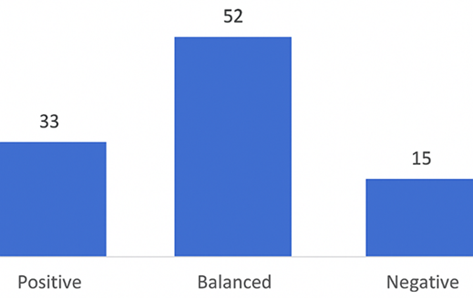
Due to overlaps with other more prevalent medical conditions such polycystic ovarian syndrome, diabetes, obesity and high blood pressure, Cushing's illness is characterized by a delay in diagnosis. It often takes 3-5 years [4] (Figure 1).
Figure 1: Factors Contributing to Delayed Diagnosis of Cushing’s Disease Due to Overlap with Common Metabolic and Endocrine Disorders
Case Report
The patient is a 15-year-old Omani male guy, presented at the Military Polyclinic, with progressive persistent facial swelling and weight gain for the last seven months, it was associated with blurry vision and skin rash over his neck, his clinical manifestations started gradually, he was also suffering from constipation, patient did not present any other physical or mental changes and he was not on any type of medications.
Family History
His father is diabetic; his sister has hypothyroidism on thyroxin medication.
Examination revealed that the patient was alert, oriented, afebrile and vital signs were normal except for his high blood pressure (140/92 mmHg):
Face: Showed round moon appearance with acne, extraocular movements were normal
Neck: Hypopigmented rash below ears, acanthosis nigricans, palpable left cervical lymphoid, normal thyroid and buffalo hump
Skin: showed purplish strain, on both hips and bilateral underarms, acne all over chest, back and face, with cupping marks all over his back, there were no bruises and no thinning of the skin (Figure 2)
CVS: Systolic murmur on the apex, chest clear, no gynecomastia, abdomen soft, with no tenderness, type equation here. O lower limb edema or DVT signs. The laboratory results presented in Table 1
Figure 2:Cutaneous and Physical Findings Observed in the Patient, Including Purplish Striae and Acne, with Absence of Bruising or Skin Thinning
Table 1: Laboratory Investigations Results of the Omani Guy
CBC, RFT, bone profile, CRP. All are within normal range
MRI of the pituitary gland showed normal uniform signal intensity, optic was mild, with mild periventricular foci of high intensity suggestive of small vessel ischemic changes.
The patient started with perindopril 5 mg and then increased to 10 mg due to his high blood pressure and lactulose for his constipated state, he was advised to have closed monitoring of his blood pressure and he was referred to the Endocrinology department, where he was diagnosed to have an ACTH dependent Cushing’s disease secondary to pituitary adenoma.
Patient was followed up on 12/9/2023 and investigations showed that his serum cortisol was 1158 mcg/dL, ACTH level was 82.8 pg./mL, 24-hour urine cortisol was 1687, 24-hour urine creatinine level was 7.3 mmol/day. Serum cortisol level after suppression with 1 mg dexamethasone was 835 mcg/dL.
On 2/11/2022, patient underwent Trans Nasal Trans Sphenoidal (TNTS) with excision of the tumor, 1 month after surgery the patient started again to have weight gain, high blood pressure, with high cortisol level and he developed transient diabetes insipidus.
In January 2023 the patient was re-revaluated again and found to have high midnight cortisol level, high 24-hour urinary cortisol, which was not suppressed by low dose dexamethasone.
Patient was referred to Aster Hospital in India and his investigations revealed a high cortisol and ACTH levels, his HbA1C was 7.1%. MRI of the pituitary gland with intravenous contrast showed normal size, with signal intensity and normal posterior pituitary hyperintensity [5,6,7,8,9]. DEXA scan was suggesting osteoporosis, IPSS (inferior petrosal sinus sample) showed elevated ACTH level more on the left than the right. Excision of the left pituitary microadenoma was performed via Navigation guided trans sphenoidal approach (TSS). Post-operative patients did not have any episode of diabetes insipidus (due to reduced ADH secretion), or meningitis and there was no CSF discharge. The patient was discharged on hydrocortisone 10 mg TID, later reduced to 10 mg BID.
Post-operatively patient was on regular follow up and 10 days ago he stopped taking hydrocortisone. On 8/5/2033 he was admitted for frequent loose motion and vomiting, with no fever. He denied any contact with sick household or taking any outside food. His laboratory investigations showed presented in Table 2.
Table 2: Laboratory Investigations Results of the Omani Guy
Type of test
Experimental value
FT4
35 g/dl. (
TSH
8 miu/L (
Cortisol
27.5 mg/dL (4 p.m. and 8 a.m.) (.
ACTH
72.59 pg/mL (
HbA1C
7.1% (
The patient was treated with IV ceftriaxone, IV hydrocortisone 50 mg QID. He was discharged on oral hydrocortisone 20 mg at 8 am and 10 mg at 6 pm.
DISCUSSION
Cushing’s disease is difficult to diagnose due to overlap with other common conditions (DM, HTN, obesity, polycystic ovaries etc.), this will lead to postponed diagnosis. A 15-year-old patient had been unwell for 7 months before being diagnosed. Some patients have been undiagnosed for years. Other patients had little clinical symptoms and the disease is confirmed only by testing. Many clinical symptoms are like of other diseases and the diagnosis is made only when the patient is severely unwell. Hypercortisolism is a debilitating disease-causing severe damage to muscles, joints and bones, as well as progressive weakness of the immune system. In males it can also cause a marked decrease in libido due to lowered testosterone hormone.
CONCLUSION
Cushing’s disease is a rare medical condition, with high morbidity and mortality if untreated. Diagnosis is usually delayed due to overlaps with other more common conditions like polycystic ovaries, DM and HTN. Our patient underwent two surgeries, before his condition was successfully treated and he will need to be watched for recurrence of his disease for the remainder of his life.
REFERENCES
Gardner, D.G. and D.M. Shoback. Greenspan’s Basic and Clinical Endocrinology. McGraw-Hill Education, 2017.
Oldfield, E.H. and M.L. Vance. “A Cryptic cause of cushing’s disease.” The Journal of Clinical Endocrinology and Metabolism, vol. 98, no. 12, 2013, pp. 4593–4594.
Nieman, L.K. and S.B. Biller. Cushing’s syndrome and Cushing’s disease. 2013.
Bansal, V. et al. “Pitfalls in the diagnosis and management of Cushing’s syndrome.” Neurosurgical Focus, vol. 38, no. 2, 2015, article E4.
Terzolo, M. et al. “Screening of Cushing’s syndrome in outpatients with type 2 diabetes: Results of a Prospective Multicentric Study in Italy.” The Journal of Clinical Endocrinology and Metabolism, vol. 97, no. 10, 2012, pp. 3467–3475.
Baid, S.K. et al.“Specificity of screening tests for Cushing’s syndrome in an overweight and obese population.” The Journal of Clinical Endocrinology & Metabolism, vol. 94, no. 10, 2009, pp. 3857–3864.
Storr, H.L. et al. “Paediatric Cushing’s syndrome: Epidemiology, investigation and therapeutic advances.” Trends in Endocrinology & Metabolism, vol. 18, no. 4, 2007, pp. 167–174.
Bovio, S. et al. “Prevalence of adrenal incidentaloma in a contemporary computerized tomography series.” Journal of Endocrinological Investigation, vol. 29, 2006, pp. 298–302.
Newell-Price, J. et al. “The diagnosis and differential diagnosis of Cushing’s syndrome and pseudo-Cushing’s states.” Endocrine Reviews, vol. 19, no. 5, 1998, pp. 647–672.
Recommended Articles
Research Article
Leigh Syndrome Should Not Be Diagnosed Exclusively Upon Cerebral MRI
Finsterer J
Published: 15/07/2020
Download PDF
Research Article
Vision for a Brighter Kangra: Unmasking the Truth about Pink Eye – A Comprehensive Study on Types, Symptoms, and Proactive Prevention in Himachal Pradesh’s Kangra District
Deepti ,
...
Garima
Published: 11/11/2023
Download PDF
Research Article
It Remains Unproven That the Variant M.8231C>A Causes Coronary Atherosclerosis
Finsterer J
Published: 15/07/2020
Download PDF
Research Article
Health Problems of Internationally Adopted Children with Special Needs
Gonzalo Oliván-Gonzalvo
Published: 20/12/2022
Download PDF
PO Box 101, Nakuru
Kenya.
Email: office@iarconsortium.org
Editorial Office:
J.L Bhavan, Near Radison Blu Hotel,
Jalukbari, Guwahati-India
Abbadia, J. S. A., Harthy, M. A. & Alrashdi, Y. B. A. (2023). Hypercortisolism an Omani Young Guy-A Case Report. IAR Journal of Medical Sciences, 4(1), 1-3.
MLA
Abbadia, Jokha S. A., Mohammed A. Harthy and Yahya B. A. Alrashdi. "Hypercortisolism an Omani Young Guy-A Case Report." IAR Journal of Medical Sciences 4.1 (2023): 1-3.
Chicago
Abbadia, Jokha S. A., Mohammed A. Harthy and Yahya B. A. Alrashdi. "Hypercortisolism an Omani Young Guy-A Case Report." IAR Journal of Medical Sciences 4, no. 1 (2023): 1-3.
Harvard
Abbadia, J. S. A., Harthy, M. A. and Alrashdi, Y. B. A. (2023) 'Hypercortisolism an Omani Young Guy-A Case Report' IAR Journal of Medical Sciences 4(1), pp. 1-3.
Vancouver
Abbadia JSA, Harthy MA, Alrashdi YBA. Hypercortisolism an Omani Young Guy-A Case Report. IAR Journal of Medical Sciences. 2023 Jan;4(1):1-3.


 Download PDF
 Download XML