In order to increase their shelf life, preservatives are essential in the food, cosmetics and pharmaceutical industries. They prevent microbiological development, preserve flavor and boost nutritional content. There are two types of preservatives: natural and artificial. Chemical processes are used to create industrial preservatives as more affordable and efficient substitutes.Artificial preservatives are chemicals that are used to preserve food for a longer amount of time; they include antimicrobials, antioxidants and other ingredients that impede the ripening process naturally. Antimicrobials prevent the breakdown of foods caused by bacteria and the mechanism of action of these preservatives ranges from preventing bacterial growth to preventing certain enzymes from working.Regardless of the existence of natural preservatives like salt, alcohol, vinegar and sugar, the food sector deals with poisonous chemicals that are truly connected to a number of diseases and harmful health impacts. Many preservatives have different effects on the human body and therefore research is constantly being done to determine how dangerous they are and remove them from the market . Preservatives have negative effects on human health and the biological system and environmental pollution and cause many diseases and damages to the human body, such as skin sensitivity, discourage the work of the endocrine glands, disrupt the menstrual cycle and cause tissue disorders in the liver, kidneys and reproductive organs, in addition to their impact on body weight, balance Oxidative stress and sex hormones. That is why the current article aimed to present the role of preservatives to prevent spoilage of food, medicines and cosmetics and to know their negative effects on human health.
Keywords
Preservatives
Paraben
Oxidation Balance
Liver
Kidney
Ovary
Testis
INTRODUCTION
In recent years, the prevalent usage of preservatives has been observed as an outcome of the development of industry and the increase in people's consumption of food, pharmaceutical and cosmetic products, The bulk of the additives used in food and the rest of consumer products are preservatives whose work is to eliminate the growth of pathogenic microorganisms in humans, as additions are typically employed to preserve all some of meals and other products [1-2].
It was found that the paraben used on a daily basis as a result of their presence in various consumed substances have negative effects [3]. A study in the United States and in Korea showed that paraben is present in nearly all urine samples taken in the laboratory from adults, regardless of race, socioeconomic or geographic background [4-5].
Paraben is preservatives commonly employed in pharmaceutical products and cosmetics and are approved as food additives. Studies classify parabens as endocrine disrupting chemicals [6]. Concerns about parabens has risen because oftheir finding in breast milk, blood serum, placenta, seminal fluid and adipose tissue. This is due to exposure to it from different sources, which may be from food, medicines, cosmetics and environmental sources such as soil and dust [7-8].
In previous years, there has also was controversy over the potential endocrine disrupting effects of paraben. Research has indicated that exposure to paraben through ingestion, inhalation, or dermal absorption may alter or disrupt the endocrine system and induce oxidative stress, which may cause adverse effects in human and animal health [9]. Parabens have an estrogen like structure, which is why they cause weak estrogenic activity [10]
Propylparaben and Butylparaben are included in many fields, as the results of the study [11] showed that it affects the endocrine glands and mammary glands and leads to a change in the breast epithelial cells and the thickness of collagen around the breast duct in lactating mice during pregnancy. A study [12] demonstrated that butylparaben causes disruptions in human trophoblast cells through oxidative stress-induced endoplasmic reticulum stress and mitochondrial dysfunction, which in turn affects infants.
Preservatives
Preservatives are normal or artificial compounds that are introduced to vegetables and fruits, cosmetics, ready-to-eat meals and medicines for the purpose of extending its shelf life, maintaining its quality and protecting it from microbiological, physical and chemical changes, which reduce their quality by impeding fermentation, acidity, microbial pollution and decomposition [13].
Previously, before the invention of preservatives, foods such as fruits, vegetables and meat were dried for preservation and food was stored in containers such as earthenware jars to prevent them from rotting , which is a common ancient preservation method, due to the fact that most microorganisms and molds need moisture to flourish and Several meals have a high amount of sugar to keep them, Sea salt is still used to preserve a lot of seafood and meat [14]. From a regulatory point of view, a preservative is a chemical, either natural or artificial, that is added to food with the intention of halting the growth of microorganisms or delaying the changes brought on by their enzymatic and physical activities [15].
Commercially preservatives are used due to the growing need for chemically stable, healthy, long-lasting foods [16]. One of the first forms of technology that humans use to keep food fresh for longer periods of time is the method of preserving food and this is done using either natural (such as salt or sugar) or chemical preservatives [17-18]. Sulfur dioxide, sodium benzoate, sorbic acid, propionic acid, nitrite, sodium and potassium nitrate are the most often used preservatives [19].
Since preservatives are chemicals and can have negative health consequences, they must possess a number of criteria before using them [20]. Latest research have indicated the toxicity of a few percentages of artificial preservatives and preservatives and their ongoing utilization that might be cause potential mutations and genetic toxicity [21-22]. Studies is underway to discover new alternatives to suppress microbial activity and increase antioxidants to replace currently used synthetic preservatives and potentially reduce danger to their health [23-24].
There are preservatives used in cosmetics to preserve them from pollutants with bacteria to protect food safety and quality and increase their expiration date . The essential objective of bacteria and fungi protection is to protect the user fromPossibly harmful microbes , along with preserving the product resulting from physiological and physico-chemical destruction . Among the preservatives currently in use by health organizations are parabens, isothiasulinone, acid organic, pesticides with formaldehyde , chlorhexidine and triclosan. These chemicals have various actuation methods as an antimicrobial, based on their molecular make-up and interaction of the practical unit . Preservatives act on multiple locations for cells. Using them in the effectiveness of large doses but toxic to the consumer, while microbial resistance can develop at low concentrations [25].
Also, preservatives are used in pharmaceuticals as antimicrobials, but an appropriate preservative must be chosen to be included in the formulation in doses, taking into account the toxicity criteria, by eradicating bacteria, yeast and mold or severely limiting their growth, it serves to prolong the shelf life of medicationsand development such as Benzoic acid and its salts, parabens and sorbic acid and its salts [26].
Preservatives Categorization
Biological preservatives including vinegar, honey, spices, salt, sugar and edible oil and artificial preservatives such as benzoate, sorbate, nitrite, sodium or potassium nitrate, sulfates, glutamate and glycerides [27]. The natural and industrial materials were classified into three categories according to the nature of their work, which are:
Anti-microorganisms
These substances eliminate or postpone the emergence of microorganisms (yeast, fungi and bacterium), for example nitrites and nitrates as they avoid food poisoning in meat products, sulfur dioxide eliminates spoilage of wine, beer and fruit, benzoate and sorbate are use of antifungal ingredients to ensure the safety and quality of jams, salads, cheese and pickles [28].
Antioxidants
They are substances that reduce or halt the deterioration of dietary polyunsaturated fats that are produced when there is oxygen present , which delays the deterioration process . Three different forms of antioxidants exist :
True antioxidants interact with free radicals to initiate a chain reaction, such as butylated hydroxytoluene (BHT) and butylated hydroxyanisole (BHA)
Further reducing oxidation is possible with reducing chemicals like ascorbic acid
Antioxidant synergists that boost the effects of other antioxidants include sodium edetate [29]
Preservatives that are Anti-enzymatic
These preservatives stop the enzymatic reactions that help the maturing that occurs in food, for example, Erythorbic acid and Citric acid stop the enzyme phenolase, which leads to the brown color on the exposed surface in some types of plant foods when cutting fruits or potatoes [27,30].
Organic and chemical preservatives are classifications as anti-oxidant and anti-microbial and anti-enzyme microorganisms. Anti-microbials destruction or retard the development of fungi, yeast and bacterium . Anti-oxidants prevent or slow down the oxygen-induced breakdown of dietary lipids and oils, which causes necrosis [31].
Toxicity of Chemical Preservatives
The effects of preservatives or additives may be direct or may be long-term and immediate effects may include headache, change in energy level and change in mental or behavioral focus or immune response. As for the long-term effects, it may increase an individual's risk, such as cancer, cardiovascular disease and other degenerative diseases, which may stimulate breast tumors [32-33].
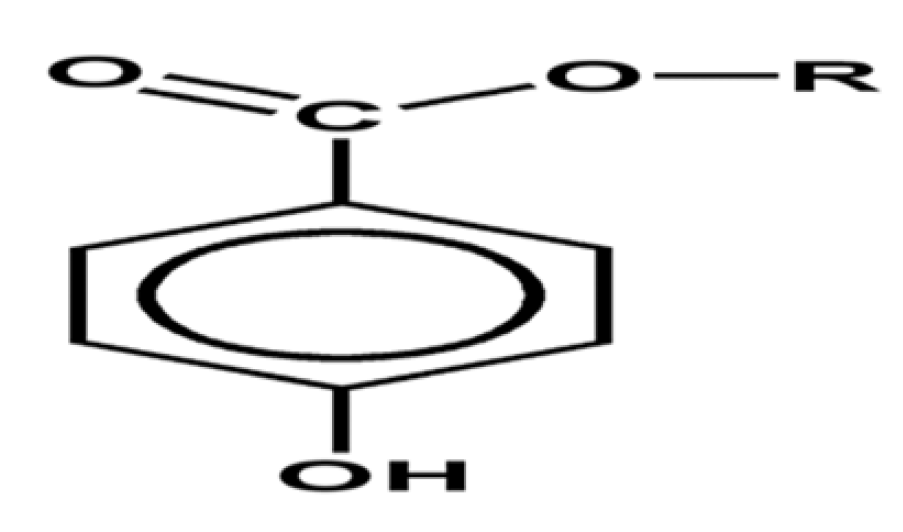
Figure 1: The Chemical Structure of Parabens [39]
Parabens
The term parabens is a name that expresses alkyl or arylesters of parahydroxybenzoic acid (Figure 1), which is an essential vegetable component found in fruits, grains, veggies or seasonings and is believed to be a typical form of protection in botanicals that prevent fungal or microbial diseases, found in the plant's roots like radishes, olives, blueberries and strawberries and in leafy vegetables such as spinach [34-35]. For more than 50 years, parabens have been utilized as antimicrobial preservatives in cosmetics, medications and food [36]. The length of the alkyl chain and exposure methods have been said to affect the metabolic effectiveness and hydrolysis pattern of parabens [37]. According to studies parabens have been found in urine samples of people of all ages [38].
Physical Properties of Parabens
Parabens are characterized by physical properties that enable them to be used in many fields. Among these physical properties is that parabens are white, odorless, fine crystalline and strong in taste. They are used in foodstuffs, but in specific concentrations and since they are odorless and colorless, they do not color cosmetics. Parabens are effective preservatives that work well on a wide range and are resistant to hydrolysis and stable in the required temperature ranges. And because parabens have stability under external conditions in addition to being low in production costs and this explains the frequent use of parabens with various products [40].
Parabens' Mechanism of Action
The mechanism of action of parabens is determined by the fact that they interfere with the metabolism of microorganisms and this mechanism is diverse and not specific to use, as studies have shown different effects of parabens in terms of the mechanism of action [41].
Parabens are effective against a wide range of microorganisms. Researchers postulate that it interferes with membrane transport mechanisms or blocks the production of specific enzymes, including ATPase and phosphotransferases in some bacterial species, or by preventing the synthesis of DNA and RNA . Butylparaben is listed after Propylparaben, are more active against most bacteria and stronger in their antibacterial action. The reason may be their higher solubility and higher permeability across the bacterial membrane. So, it's thought that their antibacterial activity is tethered to the membrane . Propylparaben and Butylparaben are likely that it has more lipids, so it increases its solubility in the lipid bilayer and disrupts its functioning, tas a result of interfering with bacterial membrane transport mechanisms, internal components are leaked, this would enable them to interact with cytoplasmic targets more intensely [42].
Preservatives work on several targets and in semi-inhibitory doses, they may act on a single target that causes the emergence of resistance in microbes. This is in contrast to antibiotics, which only affect specific areas of microorganism biosynthesis [43]. There are three ways that preservatives can get past the bacterial cell wall: Porins are the first stop on the hydrophilic route. The second is the lipid bilayer hydrophobic route. Third: Self-promoting, which involves the displacement of divalent cat ions that bind lipopolysaccharide (LPS) molecules. This causes the outer membrane structure to be disrupted and exposes the phospholipid bilayer areas [44].
Parabens can react with free amino acids, so they are not of sufficient quantity for protein biosynthesis. Where it is combined with two amino acids, glutamic acid and aspartic acid, so that the carboxyl group within the protein chain interacts with parabens, thus preventing protein folding and leading to a defect in the three-dimensional structure of the enzyme and cannot bind the receptors. Also, inactivated enzymes can inhibit the metabolism of the bacterial cell and cause cell death. The rapid diffusion of lipophilic acid (LA) molecules across the plasma membrane and into the cytoplasm is another way that chemical preservatives work. When these molecules break down inside of cells and release protons, the cytoplasm becomes acidic, which inhibits the respiratory system and promotes the growth of microorganisms [45].
The Dangers of Preservatives to Health Public
Parabens are found in a variety of products and have also been detected in urine and blood samples in various population groups and several concerns have been raised about their effects on human health, over the past years, parabens have come into play in most areas, despite the fact that a few goods might have parabens in them in safe proportions as determined by the Food and Drug Administration . There is a possibility that paraben products may cause harm due to the bioaccumulation of this substance that leads to a variety of health issues and there is concern about the use of parabens because it is unsafe as these compounds have been proven to be harmful and have effects on hormonal functions and thus human health [46].
Effects of Parabens on the Skin
Parabens affect the skin and trigger a type of skin allergy, an inflammation characterized by rashes, blisters and burning of the skin [47]. Parabens have the ability to dissolve in water, so they are easily absorbed and penetrate the skin, affecting the skin. While the ability of parabens to penetrate the skin varies depending on the structures and length of the ester side chains and using the volatile solvents acetone and ethanol that increase their ability to penetrate and then into the bloodstream, researchers have found parabens in human tissues (breast and liver tissues) and fluids (mother's breast milk, serum, seminal fluid and urine).
There are natural factors that work with parabens that affect the health of the skin. These external factors include chemicals, ultraviolet rays, ionizing radiation and internal factors such as hormones, metabolism, genetic predispositions that cause functional and structural changes in the skin such as exposure to ultraviolet rays to sunlight leading to increased infection skin cancer, this was indicated by a large number of studies, as parabens were found in the urine of people who use cosmetics and medicines containing parabens and this gives an indication that it is easily absorbed through the skin and reaches the urine, which can happen over time, causing disruptive damage [48]. It has been proven that parabens absorbed from the skin affect fibroblasts, where they can inhibit the biosynthesis of total collagen production, which includes types I and III in the epidermis. Which directly affects transcription processes by affecting the collagen-specific chaperone (HSP47) which is necessary for stabilizing the collagen structure during its secretion and its low levels cause the localization of procollagen to be inhibited and collagen aggregates to form [47]. Numerous studies have found that the concentration of parabens in the skin, urine, milk and blood increases with the amount of cosmetics use and exposure to parabens also occurs through ingestion and inhalation [49].
Effect on Menstrual Period
A Japanese study indicated a shorter menstrual cycle in women with high concentrations of parabens. Where this study recommended that parabens may be one of the environmental factors that affect reproductive problems [50]. Another study conducted by Jiménez-Díaz et al. [51] found in their research by verifying four types of parabens (methyl-, ethyl-, propyl- and butylparaben) in the menstrual blood of Spanish women and they found that there are concentrations of parabens The most frequent was Methylparaben. Recently, parabens have also been found in foods that the general population eats [52]. And that the levels of parabens in menstrual blood were correlated with the frequency of ingestion of particular food items.
Effect of Preservatives on the Disrupting of Endocrine Function
Preservatives are exogenous substances that affect the functioning of many organs, including the endocrine system and thus cause harmful health effects on the body of a healthy organism or its offspring. The European Commission has clarified the effect of these substances in biocides on humans. The pituitary gland, thyroid, parathyroid, adrenal, pancreas, ovarian and testicular glands are among the endocrine glands, a collection of glands that generate hormones to control biological processes including growth, metabolism, development, reproduction, etc. Hormones are known as signaling molecules that the circulatory system delivers to target locations. Hormonal disturbances may be caused by many factors and preservatives such as parabens alter the functions of the endocrine system. Where these chemicals disrupt the work of hormones and thus cause damage to the healthy organism, including humans and also affects the reproductive system, as it works to disrupt the signals of androgen or estrogen and steroid biosynthesis [53].
It was recently found that parabens disrupt the action of hormones to interfere with normal hormone functions at different levels, an effect that is related with an increased threat of many illnesses related to different hormones such as obesity, cancer, allergic diseases and others [54]. This is due to the presence of parabens in blood and tissue samples and as a result of the accumulation of parabens in these tissues, as [55] indicated the need to conduct more studies to know the effect of parabens on human health, because it is present in various products, including medicines, food and cosmetics, in addition to methods Other exposures from the environment.
It was found that paraben compounds affect several organs whose work is related to the balance of hormones, as it was found that butyl paraben affects the endocrine disruption by interfering with the transfer of cholesterol to the mitochondria, which leads to interference in steroid formation. Estrogen is the main target of parabens, as these chemicals are easily absorbed by the skin when applied as cosmetics. Parabens are called estrogen analogues, which give them the property of acting like hormones, a number of studies have pointed to this fact and for this reason the United Nations Environment has classified them as endocrine-disrupting chemicals, which can affect estrogen receptors by forming bonds with plasma proteins causing disruption of the tangential action of hormones in the blood. In addition, Endocrine-Disrupting Chemicals reduce the ability of enzymes like aromataseand 5-reductase to digest endogenous hormones [56]. The researchers also found that it affects the thyroid hormones T4 and T3, whereby an increase in estrogen leads to an increase in T4-binding globulin, parabens in their action are analogous to the hormone and cause blocking of alpha receptors from binding with the hormone and affect androgen hormones, thus causing obesity [57-58].
The Effect of Preservatives on Human Fertility
According to a study, the length and branching of the alkyl chain increase the estrogenic activity of parabens, which acts as an anti-androgen and may affect the function of the thyroid gland. All of these factors have a role in fertility, some studies have reported that men exposed to parabens have lower levels of natural testosterone and sperm [59]. The reason for this may be due to the role of preservatives in raising the level of free radicals and decreasing the level of antioxidants, as the levels of sex hormones are inversely correlated (Testosterone ,FSH and LH) with the level of Peroxynitrite (ONOO-) is a connection between the quantity of sex hormones (Testosterone ,FSH and LH) with the level of superoxide dismutase (SOD), glutathione peroxidase (GPx) [60]. The increase in the concentration of parabens in the urine significantly increases the percentage of abnormally shaped and slow-moving sperm. It may lead to other hormonal changes, causing many diseases, including cardiovascular diseases, breast cancer, obesity, cancer, allergic diseases and others [61,63]. Where there is an inverse relationship between the concentrations of parabens in the urine, a reduction in estradiol(E2) concentration and the quantity of antral follicles and it is positively related to the stimulating hormone (FSH), while [64] indicated that parabens lead to an increase in estradiol levels. A study on a group of pregnant women showed that exposure at the beginning of pregnancy to parabens increases the incidence of gestational diabetes mellitus [65].
Effect of Preservatives on Body Weight
Parabens are endocrine disruptors that may lead to deposition in fatty tissues, it leads to changes in the gene expression of adipocyte differentiation and lipogenesis in adipose tissue and changes the fate of mesenchymal pluripotent stem cells toward the adipocyte lineage, thus playing a role in the development of obesity [63].
It has been shown in vitro that parabens promote adipocyte differentiation and increase obesity. Also, hormonal interference has a role in changing body weight and energy balance and parabens perform an essential function in the progression of metabolic syndrome and the low level of the testosterone hormone has important consequences on the estrogen levels circulating in males, as the estrogen hormone works to control the metabolism and the level of fat and therefore there is an enhancement of fat formation and fat accumulation and a modification of the basic metabolic rate [66].
The Effect of Preservatives on the Oxidation Balance - Antioxidants
Consuming preservatives increases the amount of MDA in blood serum because it decreases aromatic amines, which oxidize in the presence of oxidative enzymes to N-hydroxy, which interacts with polyunsaturated fatty acids in cell membranes to cause a reaction between free radicals and lipid hydroperoxides, which break down into MDA [67]. The high level of MDA also results from the increase in lipid peroxidation, so the excess production of ROS combined with the depletion of the enzymatic and non-enzymatic antioxidant defense leads to a change in the incidence of oxidative stress [68]. The large degree of MDA and lipids in the blood serum leads to atherosclerosis in the aorta and tissue disorders in the liver and heart [69-71].
Weak antioxidant defense systems are a significant indicator that cells are in a state of oxidative stress [72]. This means that the amounts of ROS produced exceed the rate of the presence of antioxidants, as taking preservative compounds causes a reduction in the degree of Glutathione in the blood serum and thus leads to oxidative stress's occurrence , Due to its role in eliminating free radicals directly or indirectly through pre-existing enzymes, glutathione helps to avoid oxidation in situations of oxidative stress. Glutathione peroxidase, for example, is present in its composition and this causes it to be consumed and changed into an inactive form [73].
Effect of Preservatives on Female Hormones
Endocrine disrupting chemicals can mimic hormones, as these chemicals interfere with normal hormone function, leading to negative effects on reproductive and regulatory mechanisms [66]. The high amount of parabens in the body may be due to an inverse relationship between it and the ovarian reserve and thus the possibility of reproductive toxicity [74].
Because parabens bind to both the ER-α and ER-β estrogen receptors and because their estrogenic activity rises with length and branching of the alkyl chain, their use results in a drop in the level of estrogen [75]. And endocrine disrupting chemicals affect hormone-related receptors and their expression because of their similar structural features to endogenous estrogen hormones, as endocrine disrupting chemicals bind to estrogen receptors. Thus, it modulates estrogen-responsive gene expression [74]. A study also showed that propylparaben positively correlates with an increase in FSH and negatively with the number of antral follicles in the ovary [74] and shortens the menstrual cycle of females [50].
Effect of Preservatives on Male Hormones
Reproductive physiology involves complex biological processes that can be affected by exposure to environmental pollutants. It has been proven that endocrine-suppressing chemicals work to disrupt the balance of male hormones, which affects the reproductive process in males and ultimately leads to sexual weakness [77], as most of its effects have anti-androgenic activity [78]. Different endocrine-disrupting substances have important effects on Leydig cells, as many of these different chemicals have been demonstrated to interrelate with numerous actions in synthesis of androgens . Among these interactions is the transport of cholesterol and steroidal enzymes [79].
Failure to produce testosterone in Leydig cells prevents the androgen receptor-binding gene transcription required for spermatogenesis. The abnormal hormonal environment caused by endocrine disrupting chemicals may resulting in germ malfunction and Potential impact over generations [80-81]. Studies have confirmed that the effect of butylparaben results to the inhibition of the sulfotransferase enzyme and the regulation of aromatase activity, as well as the downregulation of testosterone synthesis [82].
The Effect of Preservatives on The Liver
The liver serves as the body's primary detoxifying organ and is crucial for producing antioxidants and maintaining the body's metabolic processes . Elevated concentration of AST, ALP and ALT are important markers of hepatic disorder induced by negative effects, including the intake of chemicals such as butylparaben into the human body [81]. In the past few years, concern has been raised about the potentially harmful effects of chemical additives on liver and kidney function. Parabens are broadly acknowledged in the meal, cosmetic and drugstore companies that are used on a daily basis by humans [84]. Harmful changes to the liver tissue as a result of parabens abuse include several effects, including loss of nuclei by hepatocytes, inflammatory macrophage cells and the appearance of blood clots with an increase in the size of some cells [85].
Since parabens are considered endocrine disruptors, this leads to liver metabolism disorder, lipid imbalance, mitochondrial dysfunction and hepatitis and this affects the reprogramming of genes, so it plays an important role in fatty liver disease [86], because These substances are characterized as being lipophilic, so this property allows them to rapidly spread across cell membranes and accelerate their arrival to the sites of cell work [87].
The study by Adegoke et al. [88] reported that Butylparaben is able to produce reactive oxygen species in the plasma membrane of cells and suppress the antioxidant system that leads to a change in the redox potential of the cell leading to lipid oxidation, suggesting significant oxidative stress in liver cells. And that many preservative compounds exert their toxicity by inducing oxidative stress where there is insufficient activity of antioxidants which leads to an excessive accumulation of free radicals that destroy cellular compounds such as proteins, carbohydrates, DNA and lipids.
The effect of Propylparaben at certain concentrations on hepatic cell energy metabolism, Apoptosis, necrosis and super anion production are discussed . Due to its tendency to cause an increase in superoxide generation, propylparaben can be hazardous to hepatocytes , which could participate to a decrease in the quantity of superoxide dismutase in living things and a weakening of the body's defenses against free radicals . Due to mitochondrial damage, further decline in mitochondrial membrane potential and decoupling of the respiratory chain may lead to a decrease in ATP concentration , the end of which is cell death by apoptosis [88]. Since the liver is the main organ that participates in the metabolism of vital substances and is therefore vulnerable to attack by the free radicals it produces, which leads to tissue injury and thus affects the liver as a result of the use of butyl paraben [89].
Increased Kupffer cell proliferation is linked to this toxicity and Kupffer cell activation happens in response to liver injury . Additionally, propylparaben may be harmful and promote superoxide generation while impairing antioxidant processes [90]. Paraben toxicity is manifested by a decrease in ATP which is an essential marker of cell viability as it is shown in cells that decreasing membrane permeability, failure to produce ATP and are rapidly depleted in the cytosol via ATPases [91]. Mitochondrial swelling induced by butylparaben has been observed [92].
The endocrine disruptors cause damage to mitochondria, by disrupting the mitochondrial respiratory chain, as oxidative stress is one of the main factors for mitochondrial injury [93]. This damage occurs as a result of affecting the complexes that are located inside the mitochondrial membrane, which are complexes I, II, III and IV, as well as reducing the content of Cardiolipin, which is located within the inner membrane of mitochondria and surrounds complex III and helps maintain its activity. As the defect in it is a result of the abuse of preservatives, which has an effect on increasing the production of ROS in mitochondria through reverse electron transfer [94]. Also, exposure to preservatives causes a decrease in electron transfer due to a decrease in the activities of compound II in the mitochondria of rat liver [95]. It was mentioned [96] that the substances that inhibit the work of the endocrine glands hinder the fourth complex and thus affect the metabolic energy. Decreased complex V is evidence of reduced mitochondrial oxygen use, leading to ATP depletion and increased plasma membrane damage. These substances also affected the inhibition of the fourth complex, thus changing the activity of ATPase and this indicates altered cellular functions and may lead to programmed cell death [97].
The Effect of Preservatives on the Kidneys
The use of preservatives leads to the occurrence of colloid fibrosis in the area of the renal medulla, infiltration of connective tissue cells and some of the white blood cells inside the renal tubules and shedding of some epithelial cells lining the cavities of the tubules. The reason for this is due to the effects of preservatives on cells and the occurrence of cellular degeneration that leads to the inflammatory response, as the substances secreted from the destroyed cells are chemomatic factor that attract inflammatory cells of the mesangial type to infiltrate the degenerated tissue and defend it, devour the accumulated materials and remove the causative factor. And the damage caused as a result of taking parabens is similar to the result of polyphenols in terms of affecting the kidney tissue, because the two are preservatives and have properties that disrupt the work of the endocrine glands, it leads to infiltration in the kidneys, injury to the renal tubules and renal fibrosis by increasing collagen, which leads to inflammation of the kidneys and activation of the autophagy and redox protection mechanisms [98].
A recent study conducted on a group of female workers in beauty salons compared with housewives confirmed that there are concentrations of parabens in the urine and there are some moral indicators of kidney damage.
Thus, we can say that they are exposed to nuclear oxidative stress that leads to many problems, including kidney damage [99].
Regulation of mitochondrial homeostasis has received attention recently, both as a potential treatment approach for many clinical disorders and as an underlying cause of diseases [100]. One of the effects of these chemical compounds is the imbalance of mitochondria, which shifts from nuclear fission and equal fission and fusion , This results in morphological abnormalities, mitochondrial fragmentation and eventual functional impairment . This is a result of overexpression of one of the genes that cause renal ischemia [101], so regulating the processes that occur in the mitochondria is important to maintain the balance of the stress response inside the cell and mitochondrial dysfunction. And the use of preservatives leads to a disturbance in the process of mitochondrial biosynthesis, thus causing damage to tissues and organs, leading to high oxidative stress and inflammation [102]. Since the compounds that have been used have the property of Xenoestrogen and the kidneys have multiple estrogen receptors, they can stimulate the receptors, leading to the proliferation of epithelial cells. On the other hand, it may increase the size of the proximal and distal tubules and cause Hydronephrosis [103].
Effect of Preservatives on Ovary
Parabens are one of the chemicals widely used in pharmaceuticals and cosmetics, which has negative effects on females in particular, including that it causes the deterioration of female reproductive function until the decrease in the size of the primary follicle pool and increased degeneration of the follicular follicles as a result of exposure to parabens, which leads to a change in the estrous cycle, as well as a decrease in the levels of estrogen E2 and progesterone hormones. This may be caused by high levels of oxidative stress in the ovarian tissue, causing inflammation and fibrosis that promote narrowing of the follicles by activating the mitochondrial apoptosis pathway that may lead to ovarian aging [104]. Parabens have been shown to have negative effects on the female reproductive system and endocrine function in several animal toxicology investigations [73] that when parabens were administered orally to female rats, it was found that the weight of the ovaries decreased, the appearance of pathological histological changes in the ovaries, such as a decrease in the numbers of the corpus luteum , an uptick in cystic follicles, thinning of follicular cells, a drop in serum estradiol levels and a downtick in beta eetrogen receptor (ER-β) expression [105].
The research done through [106] concluded that propylparaben and parabens in general have an effect on ovarian fertility, as propylparaben has an inverse relationship with the levels of Estradiol and Antral Follicle Count, while the increase in propylparaben leads to an increase in FSH levels. Exposure to butylparaben leads to an imbalance between oxidation and antioxidant in tissues, which may lead to tissue damage, including that propylparaben and butylparaben reduce the level of messenger RNA (mRNA) of genes associated with follicle formation (Foxl2, Kitl and Amh). An increase in the levels of some hormones, including FSH, was also observed in the blood serum, which indicates poor ovarian function [107].
When using butylparaben, ethylparaben, methylparaben and propylparaben have been studied in human ovarian tumor samples. The concentrations of the four parabens in tissues with malignant tumors were twice those in tissues with benign tumors. This is because it leads to programmed cell death and endoplasmic reticulum stress [40].
Ovarian cell degeneration and shrinkage may be due to apoptosis resulting from mitochondrial dysfunction, as butylparaben increases intracellular ROS levels with elevated Ca concentrations in the cytosol and this increase in ROS and intracellular Ca production stimulates the Depolarization of the mitochondrial membrane [12].
Effect of Preservatives on the Testis
Disruptions in the functions of male reproductive cells have emerged significantly in the past years, as male reproductive health is affected by many environmental and genetic factors and almost every aspect of modern lifestyle affects fertility [108]. Inflammation of the male genitourinary system is associated with significant biochemical changes in the semen level and changes in the function of the sperm. Inflammatory cytokines directly modulate spermatogenesis and spermatogenesis [109].
These chemical environmental effects have been demonstrated by the damage they cause to testicular tissue and hormone-producing cells such as Lydec cells and Sertoli cells. The physiological study showed that a decrease in the production of the male hormones testosterone, FSH and LH, which may have caused changes or modifications in gene expression, or a change in the genetic code, or a change in the nucleotide level, where butyl paraben reduces sperm production by inhibiting the production of male sex hormones or destruction of Lydec cells and Sertoli cells [110]. Testicular structural defects and dysfunction are often associated with increased oxidative stress, as butyl paraben has an effect on reproduction in terms of reducing testes weight, low sperm production and low testosterone [111].
Since parabens are described as endocrine disruptors, these toxicants also interfere with cellular communication and adhesion between Sertoli-Sertoli cells and Sertoli-germ cells, which leads to impaired reproduction and disruption of hormonal secretion. Thus, these toxicants disrupt the normal male reproductive hormonal balance through their oxidative effect on the endocrine glands and reproductive organs as well as by interfering between different endocrine hubs [112]. Sperm cells are highly sensitive to oxidative damage, on the other hand these cells contain cytoplasmic membranes rich in unsaturated fatty acids and therefore they are confronted with lipid peroxidation under the influence of ROS [113].
ROS can alter levels of sex hormones and lipid peroxidation and may lead to infertility if cells cannot repair the damage done to them by increasing antioxidants [114]. These cells are unable to repair damage through oxidative stress because they are abnormal in terms of lack of essential cytoplasmic enzymes. Thus, decreased motility and sperm death occur due to ATP loss caused by lipid oxidation, followed by axonal injury. It indirectly affects the hypothalamic axes and can disrupt the secretion of sex hormones. ROS lowers and balances levels of male sex hormones and can disrupt the functioning of the reproductive system [115]. High levels of butylparaben in seminal plasma cause adverse effects on sperm motility due to oxidative stress, interfering with the physiological processes responsible for successful fertilization [116].
The study showed that butyl paraben works to disrupt the antioxidant enzymes in the testicles, including (superoxide dismutase, catalase, glutathione reductase and glutathione peroxidase). Consequently, the testicular tissue is damaged and the calcium level increases in the endoplasmic reticulum, thus affecting sperm production [117]. Studies of negative associations between parabens, semen parameters and sperm DNA damage have also been described [59,118].
The effect of butyl and propylparaben on the mitochondrial membrane in the testicular tissue was observed, where it inhibits the activity of Cytochrome c reductase and affects the electron transport chain, because these compounds are lipophilic, as parabens interact with the mitochondrial membranes and create pore openings and lead to an imbalance in the membrane by causing a defect in the mitochondrial membranes. lipid‐protein binding.
Where paraben toxicity occurs through non-specific disruption of cell membrane function, parabens have the ability to form ROS that can reduce sperm vitality [119].
CONCLUSION
Preservatives play an important role in many products used in our daily lives such as foods, medicines, cosmetics and others. There are antibacterial substances that help slow or prevent the growth of bacteria, mold and fungi and antioxidant preservatives that prevent the effect resulting from the oxidation of oils and fats with oxygen in nature, thus preserving the color, taste, smell and a lot of vitamins and amino acids.
Despite the economic importance of preservatives, they cause many harms to humans, as they cause skin allergies, inhibit the work of the endocrine glands and disorders in the work of the reproductive system, in addition to their harmful effects on the body’s organs, especially the liver, kidneys, ovaries and testes. Despite the above-mentioned damage, it is difficult to completely avoid preservatives, as they are included in all products used in our daily lives, but it is possible to reduce them as much as possible by eating fresh vegetables and fruits, dairy products and lean meats and staying away from fast food filled with these ingredients. Recent studies have shown the possibility of using some herbs and spices as anti-bacterial, anti-fungal, anti-viral and as antioxidants.
REFERENCE
Rasgele, P.G. and F. Kaymak. “Effects of food preservative natamycin on liver enzymes and total protein in Mus musculus.” Bulgarian Journal of Agricultural Science, vol. 19, 2013, pp. 298–302.
Carocho, M. et al. “Natural food additives: Quo vadis?” Trends in Food Science and Technology, vol. 45, no. 2, 2015, pp. 284–295.
Bräuner, E.V. et al. “Presence of parabens, phenols and phthalates in paired maternal serum, urine and amniotic fluid.” Environment International, vol. 158, 2022, article 106987.
Kim, S. et al. “Urinary parabens and triclosan concentrations and associated exposure characteristics in a Korean population.” International Journal of Hygiene and Environmental Health, vol. 221, no. 4, 2018, pp. 632–641.
Hajizadeh, Y. et al. “Urinary paraben concentrations and their implications for human exposure in Iranian pregnant women.” Environmental Science and Pollution Research, vol. 27, no. 13, 2020, pp. 14723–14734.
Bae, J.S. et al. “Thirteen-week subcutaneous repeated-dose toxicity study of butylparaben and its toxicokinetics in rats.” Archives of Toxicology, vol. 95, no. 6, 2021, pp. 2037–2050.
Park, N.Y. et al. “Parabens in breast milk and possible sources of exposure among lactating women in Korea.” Environmental Pollution, vol. 255, 2019, article 113142.
Song, S. et al. “Profiles of parabens and their metabolites in paired maternal-fetal serum, urine and amniotic fluid.” Ecotoxicology and Environmental Safety, vol. 191, 2020, article 110235.
Matwiejczuk, N. et al. “Review of the safety of application of cosmetic products containing parabens.” Journal of Applied Toxicology, vol. 40, no. 1, 2020, pp. 176–210.
Gonzalez, T.L. et al. “Implication of environmental estrogens on breast cancer treatment and progression.” Toxicology, vol. 421, 2019.
Mogus, J.P. et al. “Exposure to propylparaben during pregnancy and lactation induces long-term alterations to the mammary gland in mice.” Endocrinology, vol. 162, no. 6, 2021, article bqab041.
Yang, C. et al. “Butylparaben promotes apoptosis in human trophoblast cells through oxidative stress-induced endoplasmic reticulum stress.” Environmental Toxicology, vol. 33, no. 4, 2018, pp. 436–445.
Inanli, A.G. et al. “The impact of chitosan on seafood quality and human health: A review.” Trends in Food Science and Technology, vol. 97, 2020, pp. 404–416.
Kumari, P.K. et al. “Alternative to artificial preservatives.” Systematic Reviews in Pharmacy, vol. 10, no. 1S, 2019.
Tfouni, A.S. and M.C. Toledo. “Estimates of the mean per capita daily intake of benzoic and sorbic acids in Brazil.” Food Additives and Contaminants, vol. 19, no. 7, 2002, pp. 647–654.
Thomas, O.E. and O.A. Adegoke. “Toxicity of food colours and additives: A review.” African Journal of Biotechnology, vol. 9, no. 36, 2015, pp. 900–914.
Martyn, D.M. et al. “Food additives and preschool children.” Proceedings of the Nutrition Society, vol. 72, no. 1, 2013, pp. 109–116.
Pongsavee, M. “Effect of sodium benzoate preservative on micronucleus induction and chromosome break.” BioMed Research International, 2015.
Lennerz, B.S. et al. “Effect of sodium benzoate on glucose homeostasis and metabolic profiles in humans.” Molecular Genetics and Metabolism, vol. 114, no. 1, 2015, pp. 73–79.
Akintonwa, A. et al. “The mutagenic potentials of potassium bromate and commonly used food additives.” African Journal of Biotechnology, vol. 6, no. 8, 2007.
Di Sotto, A. et al. “Genotoxicity assessment of some cosmetic and food additives.” Regulatory Toxicology and Pharmacology, vol. 68, 2014, pp. 16–22.
Antunes, S.C. et al. “Modern preservatives of microbiological stability.” Pharmaceutical Chemistry Journal, vol. 53, no. 6, 2019, pp. 564–571.
Ramalho, V.C. and N. Jorge. “Antioxidants used in oils, fats and fatty foods.” Química Nova, vol. 29, no. 4, 2006, pp. 755–760.
Baptista, R.C. et al. “Natural products with preservative properties for enhancing the microbiological safety and extending the shelf life of seafood.” Food Research International, vol. 127, 2020, article 108762.
Halla, N. et al. “Cosmetics preservation: A review on present strategies.” Molecules, vol. 23, no. 7, 2018, article 1571.
Anurova, M.N. et al. “Modern preservatives of microbiological stability.” Pharmaceutical Chemistry Journal, vol. 53, no. 6, 2019, pp. 564–571.
Seetaramaiah, K. et al. “Preservatives in food products: A review.” International Journal of Pharmaceutical and Biological Archives, vol. 2, no. 2, 2011, pp. 583–599.
Kalpana, V.N. and V.D. Rajeswari. “Preservatives in beverages: Perception and needs.” Preservatives and Preservation Approaches in Beverages, Academic Press, 2019, pp. 1–30.
Bensid, A. et al. “Antioxidant and antimicrobial preservatives: Properties, mechanism of action and applications in food.” Critical Reviews in Food Science and Nutrition, 2020, pp. 1–17.
Kulkarni, C. et al. “Assessment of microbial contamination in commercial herbal oral medicinal liquids.” International Journal of Pharmaceutical Research and Development, vol. 2, no. 9, 2010, pp. 191–193.
Noecker, R. “Effects of common ophthalmic preservatives on ocular health.” Advances in Therapy, vol. 18, no. 5, 2001, pp. 205–215.
Pandey, R.M. and S.K. Upadhyay. Food additive. 2012, ISBN 978-953-51-0067-6.
Yim, E. et al. “Contact dermatitis caused by preservatives.” Dermatitis, vol. 25, 2014, pp. 215–231.
Reeder, M. and A.R. Atwater. “Parabens: The 2019 nonallergen of the year.” Cutis, vol. 103, no. 4, 2019, pp. 192–193.
Abril, C. et al. “Uptake and translocation of multiresidue industrial and household contaminants in radish.” Chemosphere, vol. 268, 2021, article 128823.
Guo, Y. and K. Kannan. “A survey of phthalates and parabens in personal care products from the United States.” Environmental Science and Technology, vol. 47, no. 24, 2013, pp. 14442–14449.
Aubert, N. et al. “Systemic exposure to parabens: Pharmacokinetics and tissue distribution in rats.” Food and Chemical Toxicology, vol. 50, nos. 3–4, 2012, pp. 445–454.
Moos, R.K. et al. “Parabens in 24-hour urine samples of the German Environmental Specimen Bank.” International Journal of Hygiene and Environmental Health, July 2015.
Alvarez, M.A. et al. “Removal of parabens from water by UV-driven advanced oxidation processes.” Chemical Engineering Journal, vol. 379, 2020, article 122334.
Cherian, P. et al. “Amended safety assessment of parabens as used in cosmetics.” International Journal of Toxicology, vol. 39, no. 1 suppl., 2020, pp. 5S–97S.
Soni, M. et al. “Safety assessment of esters of p-hydroxybenzoic acid (parabens).” Food and Chemical Toxicology, vol. 43, no. 7, 2005, pp. 985–1015.
Tade, R.S. et al. “Safety and toxicity assessment of parabens in pharmaceutical and food products.” Inventi Rapid: Pharmacy Practice, vol. 3, 2018, pp. 1–9.
Ortega Morente, E. et al. “Biocide tolerance in bacteria.” International Journal of Food Microbiology, vol. 162, 2013, pp. 13–25.
Williamson, D.A. et al. “Current and emerging topical antibacterials and antiseptics.” Clinical Microbiology Reviews, vol. 30, 2017, pp. 827–860.
Membré, J.-M. and S. Dagnas. “Modeling microbial responses: Application to food spoilage.” Modeling in Food Microbiology, Elsevier, 2016, pp. 33–60.
Alkafajy, S.A.Q. and R.A.A. Abdul-Jabbar. “Comprehensive effects of parabens in human physiology.” Annals of Tropical Medicine and Public Health, vol. 23, suppl. 20, 2020.
Matwiejczuk, N. et al. “Protective effect of rosmarinic acid against methylparaben and propylparaben.” Nutrients, vol. 12, no. 5, 2020, article 1282.
Dubey, D. et al. “Photosensitized methyl paraben induces apoptosis in human skin cells.” Food and Chemical Toxicology, vol. 108, 2017, pp. 171–185.
Nassan, F.L. et al. “Personal care product use and urinary concentrations of parabens.” Environmental Health Perspectives, vol. 125, no. 8, 2017, article 087012.
Nishihama, Y. et al. “Association between paraben exposure and menstrual cycle.” Reproductive Toxicology, vol. 63, 2016, pp. 107–113.
Jiménez-Díaz, I. et al. “Menstrual blood concentrations of parabens and benzophenones.” Environmental Research, vol. 183, 2020, article 109228.
Gálvez-Ontiveros, Y. et al. “Presence of parabens and bisphenols in food commonly consumed in Spain.” Foods, vol. 10, no. 1, 2021, article 92.
Hass, U. et al.List of endocrine disrupting chemicals. Danish Centre on Endocrine Disrupters, 2018.
Kim, J. and J. Chevrier. “Exposure to parabens and prevalence of obesity and metabolic syndrome.” Science of the Total Environment, vol. 713, 2020, article 135116.
Nowak, K. et al. “Parabens and their effects on the endocrine system.” Molecular and Cellular Endocrinology, vol. 474, 2018, pp. 238–251.
Bronowicka-Kłys, D.E. et al. “Role and impact of estrogens and xenoestrogens on cervical cancer.” Biomedicine and Pharmacotherapy, vol. 84, 2016, pp. 1945–1953.
Berger, K. et al. “Associations of maternal exposure to triclosan and parabens.” Environmental Research, vol. 165, 2018, pp. 379–386.
Aker, A.M. et al. “Repeated measures study of phenol and paraben biomarkers during gestation.” Environmental Health, vol. 18, 2019, article 28.
Jurewicz, J. et al. “Environmental exposure to parabens and sperm chromosome disomy.” International Journal of Environmental Health Research, vol. 27, no. 5, 2017, pp. 332–343.
Ahmed, Q.A. et al. “Effect of olive oil and hydroxytyrosol on sex hormones in male rats.” NVEO–Natural Volatiles and Essential Oils Journal, 2021, pp. 13072–13086.
Ahmed, Q.A. et al. “The effect of olive oil and hydroxytyrosol on sex hormones and oxidative stress in male rats.” NVEO–Natural Volatiles and Essential Oils Journal, 2021, pp. 13072–13086.
Šramkova, M. et al. “Parabens and their relationship to obesity.” Proceedings of the 21st European Congress of Endocrinology, vol. 63, BioScientifica, 2019.
Quirós-Alcalá, L. et al. “Parabens and measures of adiposity among adults and children.” International Journal of Hygiene and Environmental Health, vol. 221, no. 4, 2018, pp. 652–660.
Pollack, A.Z. et al. “Exposure to bisphenol A, chlorophenols, benzophenones, and parabens in relation to reproductive hormones in healthy women: A chemical mixture approach.” Environment International, vol. 120, 2018, pp. 137–144.
Liu, W. et al. “Parabens exposure in early pregnancy and gestational diabetes mellitus.” Environment International, vol. 126, 2019, pp. 468–475.
Kim, Y.R. et al. “Synergistic effects of octylphenol and isobutyl paraben on calbindin-D(9)K expression.” International Journal of Molecular Medicine, vol. 29, 2012, pp. 294–302.
Halliwell, B. and J.M. Gutteridge. Free radicals in biology and medicine. Oxford University Press, 2015.
Perez-Albaladejo, E. et al. “Comparative toxicity and endocrine disruption potential of plasticizers.” Toxicology in Vitro, vol. 38, 2017, pp. 41–48.
Ahmed, Q.A. et al. “Effect of hydroxytyrosol and olive oil on hepcidin hormone.” Plant Archives, vol. 20, no. 2, 2020, pp. 1895–1902.
Ahmed, Q. et al. “Effect of hydroxytyrosol and olive oil on oxidative stress in liver.” International Journal of Medical Sciences, vol. 5, no. 1, 2022, pp. 43–54.
Ahmed, Q. et al. “Effect of hydroxytyrosol and olive oil on lipid profile and heart histology.” International Journal of Medical Sciences, vol. 5, no. 2, 2022, pp. 44–54.
Yesilbursa, D. et al. “Lipid peroxides in obese patients and effects of weight loss.” International Journal of Obesity, vol. 29, no. 1, 2005, pp. 142–145.
Alsudani, A.A. and H.A. Alhamadawi. “Physiological effects of food additives on the HPT axis.” Journal of Physics: Conference Series, vol. 1664, no. 1, 2020, article 012122.
Smith, K.W. et al. “Urinary paraben concentrations and ovarian aging.” Environmental Health Perspectives, vol. 121, nos. 11–12, 2013, pp. 1299–1305.
Vo, T.T. et al. “Potential estrogenic effects of parabens in female rats.” Reproductive Toxicology, vol. 29, no. 3, 2010, pp. 306–316.
Gupta, P. et al. “Effect of endocrine disrupting chemicals on HPG axis.” Endocrine Disruptors, IntechOpen, 2021.
Wan, H.T. et al. “Targeting testis-specific proteins to inhibit spermatogenesis.” Expert Opinion on Therapeutic Targets, vol. 17, no. 7, 2013, pp. 839–855.
Taylor, J.A. et al. “Estrogenic environmental chemicals and male urogenital development.” Journal of Steroid Biochemistry and Molecular Biology, vol. 127, nos. 1–2, 2011, pp. 83–95.
Stukenborg, J.B. et al. “Endocrine disruptors and the male reproductive system.” Best Practice and Research: Clinical Endocrinology and Metabolism, vol. 35, no. 5, 2021, article 101567.
Rahman, M.S. et al. “Gestational exposure to bisphenol A affects sperm function.” Environmental Health Perspectives, vol. 125, no. 2, 2017, pp. 238–245.
Sharma, A. et al. “Endocrine-disrupting chemicals and male reproductive health.” Reproductive Medicine and Biology, vol. 19, no. 3, 2020, pp. 243–253.
Fontenele, E. et al. “Testosterone and endocrine disruptors.” Testosterone, Springer, 2017, pp. 353–374.
Boberg, J. et al. “Possible endocrine disrupting effects of parabens.” Reproductive Toxicology, vol. 30, 2010, pp. 301–312.
Fransway, A.F. et al. “Paraben toxicology.” Dermatitis, vol. 30, 2019, pp. 32–45.
Ara, C. et al. “Turmeric plays protective role against paraben-induced lesions.” Punjab University Journal of Zoology, vol. 35, no. 1, 2020, pp. 7–12.
Cano, R. et al. “Endocrine-disrupting chemicals and fatty liver disease.” International Journal of Molecular Sciences, vol. 22, no. 9, 2021, article 4807.
Cano-Sancho, G. et al. “Use and interpretation of blood biomarkers of endocrine disruptors.” Molecular and Cellular Endocrinology, vol. 499, 2020, article 110606.
Szeląg, S. et al. “Propylparaben-induced disruption of energy metabolism.” Toxicology in Vitro, vol. 31, 2016, pp. 30–34.
Adegoke, A.O. et al. “Effect of quercetin on liver oxidative stress induced by butylparaben.” International Journal of Medical and Health Sciences Research, vol. 8, no. 1, 2021, pp. 1–7.
Özdemir, E. et al. “Antiandrogenic properties of propyl paraben.” Toxicology Research, vol. 7, no. 2, 2018, pp. 235–243.
Kizhedath, A. et al. “Assessment of hepatotoxicity and dermal toxicity of butyl paraben and methyl paraben using HepG2 and HDFn in vitro models.” Toxicology in Vitro, vol. 55, 2019, pp. 108–115.
Kaur, K. et al. “Bisphenol A induces oxidative stress in lymphoblasts.” Free Radical Biology and Medicine, vol. 76, 2014, pp. 25–33.
Selivanov, V.A. et al. “Reactive oxygen species production in mitochondria.” PLoS Computational Biology, vol. 7, 2011, article e1001115.
Binukumar, B.K. et al. “Mitochondrial impairment following dichlorvos exposure.” Toxicology, vol. 270, 2010, pp. 77–84.
Chen, S.C. et al. “Dioxin-induced mitochondrial dysfunction in trophoblast cells.” Molecular Human Reproduction, vol. 16, 2010, pp. 361–372.
Khan, S. et al. “Bisphenol A-induced mitochondrial dysfunction.” Environmental Toxicology, vol. 31, no. 12, 2016, pp. 1922–1934.
Priego, A.R. et al. “Bisphenol A modulates autophagy and kidney damage.” International Journal of Molecular Sciences, vol. 22, no. 13, 2021, article 7189.
Arfaeinia, H. et al. “Urinary levels of unmetabolized parabens in women.” Environmental Research, vol. 200, 2021, article 111771.
Zhang, Q. et al. “Sirtuin 3 deficiency aggravates kidney injury.” Journal of Translational Medicine, vol. 16, 2018, article 313.
Perry, H.M. et al. “Dynamin-related protein 1 deficiency promotes AKI recovery.” Journal of the American Society of Nephrology, vol. 29, 2018, pp. 194–206.
Peerapanyasut, W. et al. “N-acetylcysteine attenuates liver dysfunction after AKI.” Antioxidants, vol. 8, no. 10, 2019, article 497.
Moreno-Gómez-Toledano, R. et al.“Renal and cardiovascular alterations promoted by bisphenol A.” 2021.
Li, M. et al. “Prenatal exposure to propylparaben accelerates ovarian aging.” Environmental Pollution, vol. 285, 2021, article 117254.
Kang, K.S. et al. “Decreased sperm number in offspring exposed to butylparaben.” Journal of Veterinary Medical Science, vol. 64, 2002, pp. 227–235.
Jurewicz, J. et al. “Ovarian reserve parameters and urinary parabens.” Environmental Health, vol. 19, 2020, article 26.
Lee, J.H. et al. “Parabens accelerate ovarian dysfunction.” International Journal of Environmental Research and Public Health, vol. 14, no. 2, 2017, article 161.
Otasevic, V. et al. “Reactive oxygen, nitrogen and sulfur species in male fertility.” BioFactors, vol. 46, no. 2, 2020, pp. 206–219.
Moeen, M.E.E. et al. “Oxidative stress alterations in rats treated with food additives.” International Journal of Advanced Research in Biological Sciences, vol. 5, no. 6, 2018, pp. 118–123.
Santiago, J. et al. “Testicular signaling in sperm production.” Tissue-Specific Cell Signaling, Springer, 2020, pp. 225–255.
Hubbard, T.D. et al. “Butylparaben multigenerational reproductive assessment.” Reproductive Toxicology, vol. 96, 2020, pp. 258–272.
Sharma, R.P. et al. “Crosstalk mechanisms of endocrine disruptors.” Environment International, vol. 99, 2017, pp. 1–14.
Wagner, H. et al. “Role of reactive oxygen species in male infertility.” Arab Journal of Urology, vol. 16, no. 1, 2018, pp. 35–43.
Barati, E. et al. “Oxidative stress and male infertility.” Cellular and Molecular Life Sciences, vol. 77, no. 1, 2020, pp. 93–113.
Darbandi, M. et al. “Reactive oxygen species and male reproductive hormones.” Reproductive Biology and Endocrinology, vol. 16, no. 1, 2018, article 87.
Kovacik, A. et al. “Trace elements in semen and sperm quality.” Journal of Trace Elements in Medicine and Biology, vol. 50, 2018, pp. 399–407.
Schreiber, E. et al. “Oxidative stress in testes exposed to n-butylparaben.” Food and Chemical Toxicology, vol. 131, 2019, article 110573.
Smarr, M.M. et al. “Urinary antimicrobial biomarkers and semen quality.” Reproductive Toxicology, vol. 77, 2018, pp. 103–108.
Samarasinghe, S.V.A.C. et al. “Parabens generate reactive oxygen species in human spermatozoa.” Andrology, vol. 6, no. 4, 2018, pp. 532–541.
Recommended Articles
Research Article
Inhalation Insights: Assessing Anesthesia Knowledge among Himachal Pradesh's Resident Anesthetists
Akanksha Sharma,
...
Kanika Prashar
Published: 29/05/2023
Download PDF
Research Article
Oxidative Stress in Breast and Ovarian Cancer
Ayad Adnan Sahib,
...
Fatima Saleh Abbas
Published: 27/08/2023
Download PDF
Research Article
Extraction, Diagnose and Evaluation of the Effectiveness of Aromatic Herb Pelargonium Graveolens as an Antiseptic and Disinfectant
Abdul Razzaq D. Jasim,
...
Thuraya S. Tahir
Published: 27/04/2022
Download PDF
Research Article
Exploratory Study of Perception, Knowledge and Awareness of Prostate Cancer
Marwa Kahtan Ali,
...
Mohammed Mohammud Habash
Published: 30/06/2025
Download PDF
PO Box 101, Nakuru
Kenya.
Email: office@iarconsortium.org
Editorial Office:
J.L Bhavan, Near Radison Blu Hotel,
Jalukbari, Guwahati-India
Ahmed, T. M. K., Bakr, M. M. & Ahmed, Q. A. (2022). Side Effects of Preservatives on Human Life. Scientific Research Journal of Pharmacy, 2(2), 1-11.
MLA
Ahmed, Tawoos M. K., Media M. Bakr and Qays A. Ahmed. "Side Effects of Preservatives on Human Life." Scientific Research Journal of Pharmacy 2.2 (2022): 1-11.
Chicago
Ahmed, Tawoos M. K., Media M. Bakr and Qays A. Ahmed. "Side Effects of Preservatives on Human Life." Scientific Research Journal of Pharmacy 2, no. 2 (2022): 1-11.
Harvard
Ahmed, T. M. K., Bakr, M. M. and Ahmed, Q. A. (2022) 'Side Effects of Preservatives on Human Life' Scientific Research Journal of Pharmacy 2(2), pp. 1-11.
Vancouver
Ahmed TMK, Bakr MM, Ahmed QA. Side Effects of Preservatives on Human Life. Scientific Research Journal of Pharmacy. 2022 Jul;2(2):1-11.


 Download PDF
 Download XML