This study was conducted in the laboratories of the Department of Food Sciences at the College of Agriculture/Tikrit University, with the aim of extracting anthocyanin pigments from some plant sources, including gujarat, red cabbage, beet, red carrots and red radish grown in Salah al-Din Governorate , Several solvents were used to extract the anthocyanin pigments from the above samples, including (water, ethanol, a mixture of both water and ethanol, water and ethanol and hydrochloric acid, water and ethanol and acetic acid, water and ethanol and citric acid), In order to determine the optimal conditions for extraction using different solutions and to evaluate production efficiency, the percentage of extracted anthocyanin pigments was determined the anthocyanins extracted from Gujarat were higher than the rest of the plant samples , The mixture of water and ethanol and acetic acid was the best extraction solvent for all studied samples , Gujarat gave the highest percentage of extracted anthocyanins compared to the rest of the studied samples, as the amount of extracted anthocyanins reached 567.33 mg/100 g. As well as the stability of the pigment was estimated towards temperature, pH and a number of different solutions, The results of the stability of anthocyanin pigments extracted from plant samples at different temperatures for 10 minutes showed that the high stability of anthocyanin pigments extracted from Gujarat was at 20-50°C and that extracted from red cabbage at 20-40°C and beet pigment at temperatures from 20-60°C, while the anthocyanin pigment extracted from red carrots had a high stability at 20-60°C, while the highest stability of red radish pigment was at a temperature ranging from 20-40°C. The results of the effect of pH on the stability of anthocyanin dyes were also clarified by using different values of pH that ranged between 2-10 for 30 minutes , The high stability of the anthocyanin pigment extracted from Gujarat was at pH 2- 4 and extracted from red cabbage at pH 2-5, While the anthocyanin pigment extracted from beet showed the highest stability at acidic conditions ranging from 2-6, while the anthocyanin pigment extracted from red carrots had high stability at pH ranging from 2-5, While the highest stability of anthocyanin pigment extracted from red radish was at pH 2-4. The results showed the effect of different solutions of (distilled water, methanol, ethanol and acetone) on the stability of anthocyanin dyes , The maximum wavelength (λ-max) was at 540 nm for Gujarat extract when using ethanol and red cabbage extract at 530 nm when using ethanol, while the maximum wavelength for beetroot extract was at 420 nm when using distilled water , While the maximum wavelength of red carrot extract was at 530 nm when using ethanol and red radish extract at 410 nm when using distilled water.
Keywords
Anthocyanins
Color Stability
Temperature
Ph
Different Solvents
INTRODUCTION
Many plants are a good source of plant pigments, which can be used as natural colorants and antioxidants in many food and industrial applications [1]. The plants including gujarat, red cabbage, beet, red carrots and red radish are characterized by their containing pigments whose concentration varies according to the variety These pigments can be obtained using different extraction methods. Among the sources of these pigments are the natural plant or animal pigments, which are called vital colors or from industrial sources such as minerals and these pigments include anthocyanins, chlorophyll and carotenoids [2]. Anthocyanins are important, colorful and valuable biological compounds and the sources of extracting these dyes are numerous and varied. Interest in these compounds arose as a result of a spectrum of attractive colors, including bright orange, pink, red, purple and blue, which have a great potential for natural use as food coloring to replace synthetic pigments.
The intensity and stability of anthocyanin pigments depends on several different factors including temperature, pH and different extraction solutions [3]. Temperature is an important environmental factor that greatly affects the nature of food, its qualities and components. The temperature during heating affects the molecular structure and kinetic mechanism of anthocyanins, whether in extracts or in foods. The effect of heat treatment on food products has been observed through the interactions of nutrients (proteins, sugars) with each other and among the effect of temperature on the anthocyanin pigment is the dissolution of these pigments until their color fades [4]. Sui et al. [5], while studying the stability of anthocyanin pigment, noted that high temperature negatively affects the stability of Cyanidin-3-O-glycoside and Cyanidin-3-O-rutinoside extracted from black rice and because many plant foods are heat treated before consumption in order to prevent the growth of many microbes, or to remove water or inactivate enzymes and this affects the anthocyanin content [6] Cisse et al. also conducted experiments on the thermal stability of anthocyanin extracts at different temperatures with different heating times and then measured the residual anthocyanin content as he heated the gujarat extract to the point of pasteurization and noticed the permanent loss of the color of the dye , As for Ekici et al. [7], it was concluded that the thermal degradation rate of anthocyanins extracted from red cabbage using ethanol at pH 5 reaches 6.5% after two hours of heating at 70 °C and 33.33% at 90 °C for the same period , The anthocyanins pigment bound to the active compounds are more stable in aqueous solutions and their stability depends on their molecular structure and dye concentration [8], Sipahli et al. [9], extracted anthocyanin pigment from gujarat using four different solvent systems to study the stability of the pigment under different environmental conditions by changing the temperature and at 50 and 80 °C, the retention percentage of the pigment was 87 and 61%, respectively. The effect of different solutions on the stability of anthocyanins was also studied by Ibadi [10], the results of which showed that beetroot and gujarat extracts have a molecular solubility in distilled water and have a high solubility in both methanol and ethanol at a close value in h – max.
MATERIALS AND METHODS
Source of Samples
The plant samples (gujarat, red cabbage, beet root, red carrots and red radish) were obtained from the local markets in Salah El-Din Governorate during the month of December of 2020.
Samples Collection and Preparation
The five types of plants specified in the previous paragraph were obtained from the local markets of the city of Tikrit/Salah al-Din Governorate in December of the year 2020. The samples were cleaned and washed well to get rid of dust and other contaminants. And after drying them well, they were kept in sealed plastic containers in the refrigerator until use and the plant samples were cut simultaneously when using, as for the red radish sample, it was peeled with a sharp knife to get the peels only without the pulp for the study the peels were preserved like the rest of the samples and then cut off when used. Anthocyanin pigments were extracted from all plant samples under study using different solvents, including (water, ethanol, water and ethanol, water and ethanol acidified with HCL, water and ethanol acidified with acetic acid, water and ethanol acidified with citric acid), According to the tired way before [11]. Using 10 g of each sample (based on dry weight) After cutting it into small pieces with 100 mL each of the specified solvents for the study, leave the mixture for 24 hours at room temperature, then complete the extraction using an electric mixer for 15 minutes, then filter the mixture through a filter paper (Whatman No.1) Then the filtrate was centrifuged at a speed of 6000 rpm for 15 minutes, then the absorbance of the extracts was read using a spectrophotometer at the wavelengths 512 and 700 nm respectively, The percentage of anthocyanins in the extract was calculated on the basis of the weight used by adopting the following equation:
Anthocyanin content (mg/L) = A .MW. DF. 1000/£. L
A = (A512nm –A700nm) at pH = (1) - (A512nm –A700nm) at pH = (4.5)
A: Absorbance at Wavelengths 512 and 700 nm
MW: MOLECULAR WEIGHT of anthocyanins equal to 449.2 (g/mol)
DF: Dilution Factor of the Sample
£ = Extinction Coefficient of anthocyanins equal to 29.900 (L/mol)
I: The Length of the Path in centimeters and is equal to 1
Then concentrate the extract using a rotary evaporator at a temperature of 36°C and keep the concentrated extract in an opaque glass bottle away from light in the refrigerator until use.
Estimation of the Stability of Anthocyanin Pigments
The stability of the extracted anthocyanin pigments under study was estimated towards some environmental factors that may be exposed to them during manufacturing processes as follows:
The Effect of Temperature on the Stability of the Extracted Pigments
It was estimated by taking 0.1 g of the concentrated dyes extract of the samples under study and adding to it 5 mL of distilled water and mixing for one minute, then incubating with a range of temperatures ranging from (20–70) °C for a period of 10 minutes. After leaving it to cool and reach room temperature, the absorbance was measured by a spectrophotometer at wavelengths ranging between 800-400 nm [10].
Effect of pH on the Stability of the Extracted Pigments
0.1 g of the concentrated dye extract was taken and buffer solutions were added with pH values of 2, 3, 4, 5, 6, 7, 8, 9, 10 which were controlled using the solution (1N) HCl and (1 N) NaOH, as the buffer is added to the sample until the required pH is reached. The samples were incubated with the buffer for 30 minutes at room temperature, then the percentage of pigment retention was calculated by means of a spectrophotometer at wavelengths ranging from 400 - 800 nm [12], according to the following equation.
Pigment retention ratio = A1/A2 x 100
A1: Absorbance value before exposure to the effect of pH
A2: Absorbance value after exposure to the effect of pH
Effect of Different Solutions on the Stability of the Extracted Pigments
The method proposed by Ibadi [10], was adopted by taking 0.03 mg of concentrated dye extract and adding to it 5 mL of different solutions including (ethanol, methanol, acetone and distilled water) each separately and mixed for a minute after which the absorbance was measured Using a spectrophotometer at wavelengths ranging from 800-400 nm.
RESULTS AND DISCUSSION
The Percentage of Extracted Anthocyanins
Anthocyanins were extracted from the plant samples under study, which included gujarat, red cabbage, beet root, red carrots and red radish, using (water, ethanol,a mixture of water and ethanol, water and ethanol acidified with HCL, water and ethanol acidified with acetic acid, water and ethanol acidified with citric acid) Table 1 shows the different percentages of anthocyanins extraction according to the difference in the plant sample and the solvent used , As it appears from the table, the superiority of Gujarat extract in its content of anthocyanins when using a mixture of water and ethanol acidified with acetic acid reached a percentage of 567.33 mg/100 g On the basis of dry weight compared with the rest of the extracts, while the ethanol solvent gave the lowest extraction rate of anthocyanins 402.15 mg/100 g . These results converge with what was reported by Almahy et al. [13] and Mohamed et al. [14]. They indicated that the concentration of anthocyanins extracted from Gujarat when using a water solvent and ethanol acidified with acetic acid and an ethanol solvent, reached 586.63 and 485.90 mg/100 g respectively. While Abou-Arab et al. [15], found that the percentage of anthocyanins when using a water and ethanol solvent acidified with citric acid at a concentration of 2%. The solvent of water and ethanol acidified with hydrochloric acid were 622.91 and 386 mg/100 g respectively. Vankar and Shukla [16], reported that extracting gujarat with ethanol acidified with hydrochloric acid at 0.1% and ethanol acidified with citric acid at 4.0% It gave anthocyanins content of 116.64 and 166.84 mg/kg, respectively . Other studies compared the extraction of anthocyanins by several methods, including Soxhlet, microwave and a number of solvents. These studies concluded that ethanol acidified with acetic acid is the best solvent used in extracting anthocyanins from Gujarat [17], Hani et al. [18], reported that the concentration of anthocyanins from Gujarat was 247.99 mg/L when extracted using water soaking , while [19], that the proportion of anthocyanins was 163.3 mg/l when extracted from gujarat using boiling water for 10 minutes, Tavakolifar et al. [20], reported that the amount of anthocyanins obtained from Gujarat using ethanol acidified with acetic acid as an extraction solvent was 69.39 mg/100 g.
Table 1 shows that the highest concentration of anthocyanins extracted from red cabbage was 314.50 mg/100 g when using water and ethanol solvent acidified with acetic acid. These results were consistent with the findings of Xavier et al. [21], who indicated that the concentration of anthocyanins obtained from red cabbage is 302.40 mg/100 g when using ethanol acidified with acetic acid. The table also shows that the lowest concentration of anthocyanins extracted from red cabbage was 60.89 mg/100 g and it was when using water and ethanol solvent. These results are approach to what Hosseini et al. [22], who indicated that the concentration of anthocyanins obtained from red cabbage was 61.78 mg/100 g when using water and ethanol solvent. Alvarez et al. [23], reported that the concentration of anthocyanins in red cabbage was 199 mg/L when extracted using a mixture of water and ethanol acidified with citric acid at a concentration of 2% , while the results of our study came approach to what was mentioned by Al-Abdulla and Oleiwi [24], who indicated that the concentration of anthocyanins extracted from red cabbage was 134.0 mg/100 g when using distilled water, Hosseini et al. [22], reached a concentration of anthocyanins of 90.37 mg/100 g when extracted from red cabbage using a mixture of water and ethanol acidified with hydrochloric acid.
Table 1 shows the concentration of anthocyanins extracted from beet using different solvents. The highest concentration was 0.35 mg /100 gm when extracting with water and ethanol acidified solvent with acetic acid and the lowest concentration was 0.12 mg/100 gm when extracting beets with ethanol, Monica et al. [25], indicated in the results of his research that the concentration of anthocyanins was 0.638 mg/liter of beet when extracted with cold water.
Table 1: Effect of Different Solvents on the Percentage of Anthocyanins Extracted from the Plant Samples Under Study
Variables
The percentage of anthocyanins extracted (mg/100g dry weight)
extraction solvents
Gujarat
red cabbage
beetroot
red carrot
red radish
distilled water
520.30
130.55
0.34
360.71
155.78
ethanol
402.15
127.51
0.12
110.25
178.21
water and ethanol
506.78
60.89
0.25
119.78
63.71
Water, ethanol and hydrochloric acid
470.59
132.63
0.19
129.59
130.45
Water, ethanol and acetic acid
567.33
314.50
0.35
377.05
210.37
Water, ethanol and citric acid
481.67
126.72
0.22
134.67
180.25
He confirmed that beet extraction by soaking in cold water showed the most effective 4.2%, while the extraction method of Soxhlet was less effective and gave a percentage of %2. Guine et al. [26], showed the result of their study that the concentration of anthocyanins extracted from beet ranged from 0.23-0.77 mg/g when extracted with water and ethanol solvent.
Table 1 shows that the maximum concentration of anthocyanins was 377.05 mg/100 gm for red carrots when extracted with water and ethanol acidified with acetic acid, compared with the ethanolic extract of red carrots, which gave the lowest percentage of anthocyanins amounted to 110.25 mg/100 gm. These results fall within the findings of Espinosa-Acosta et al. [27], who indicated that the use of ethanol solvent acidified with acetic acid is the best, most suitable and stable against pH changes in red carrot extract. The results of the study converge with the findings of Montilla et al. [28], when they indicated a concentration of anthocyanins from red carrots that reached 126.40 mg/100 g, when extracted by mixing water and ethanol acidified with citric acid at a concentration of 0.01% at a temperature of 25 °C , While Stintzing et al. [29], shows that the concentration of anthocyanins for red carrots was 93.80 mg/100 g for red carrots when extracted with water solvent and ethanol acidified with citric acid , Ersus [30], mentioned that the amount of anthocyanins obtained from red carrots using acidified ethanol as an extraction solvent was 125.17 mg/100 g, as indicated by EL-massry et al. [31], that the concentration of anthocyanins extracted from red carrots using distilled water was 372.91 mg/100 g.
Table 1 showed that the highest concentration of anthocyanins obtained from extracting red radish using solvent of water and ethanol acidified with acetic acid reached 210.37 mg/100 g, while extraction using solvent of water and ethanol gave the lowest concentration of anthocyanins with a percentage of 63.71 mg/100 g. These percentages were consistent with what was indicated by some previous studies, as Wentian et al. [32], mentioned that the acidified water and ethanol mixture is the best solvent in extracting anthocyanins from red radish, amounting to 202.84 mg/100 g at pH 2.5, Patil et al. [33], reported that the concentration of anthocyanins for the aqueous extract and ethanol of red radish reached 62.58 mg /100 mL, While these results did not agree with what was mentioned by Giusti et al. [34], they indicated the preference of using water and acetone solvent to extract Arista cultivars of spring red radish. The concentration of the extracted anthocyanins reached 158 mg /100 g. As for the winter varieties of red radish, including Joyce, it reached 52.8 mg/100 g. The results of Zhang et al. [35] showed that the concentration of anthocyanins was 10.7 mg/mL when extracted from red radish using cold water at a temperature of 4 C.
This difference in the percentage of extracted anthocyanins is due to many factors, including the different types of plant samples used in the study and the difference in genetic and genetic traits, as well as in the different places and method of cultivation and fertilization and the difference in the harvest season and degree of maturity of fruits and storage method, as well as the extraction method and solvents used and its degree of resistance , This is in agreement with what Ahmadian et al. [36], mentioned, as they mentioned that the difference in plant varieties in addition to the difference in the method of cultivation and harvesting affects the content of total anthocyanins, as well as the difference in the method used in preparing the plant samples used in extracting the anthocyanins and the devices used in the extraction. As well as the weight of roots and peels and the method of cultivation, all of these factors have a significant impact on the concentration of total anthocyanins and this was also confirmed by Giusti et al. [34] and the difference in the content of anthocyanins is due to the difference in pH and its direct impact on the adverse changes these pigments suffer in their chemical composition [25, 37].
Factors Affecting the Stability of the Extracted Pigments
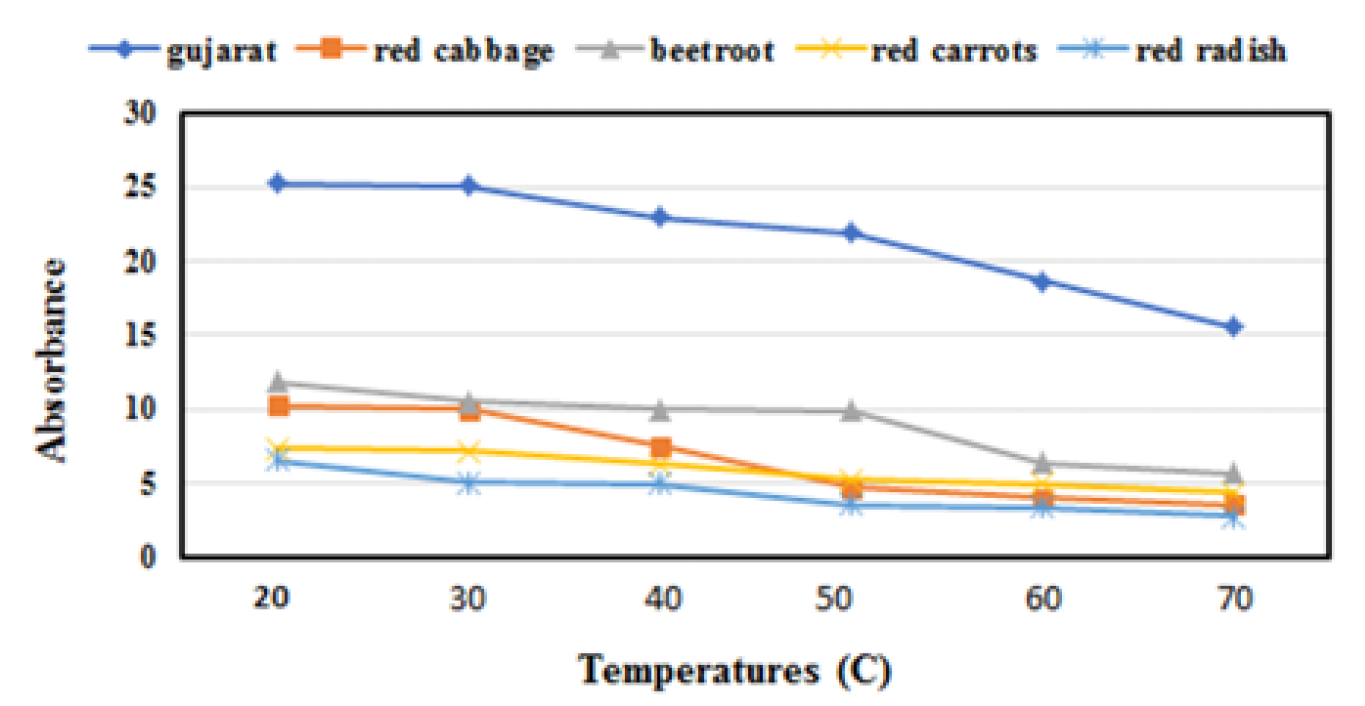
Effect of Temperature on the Stability of Extracted Anthocyanin Pigments: Figure 1 shows the effect of temperature on the stability of anthocyanin pigments extracted from plant samples (gujarat, red cabbage, beet, red carrots and red radish) using a range of temperatures ranging from 20-70 °C for an exposure period of 10 minutes. As it appears that the high stability of the anthocyanin pigment extracted from Gujarat was at 20-50 C, as it was more stable and stable , while the rate of anthocyanin degradation was 18.60 and 15.51% at a temperature of 60 and 70 °C after 10 minutes respectively, This result falls within what Ibadi [10], stated, when he indicated that the high stability of the anthocyanin pigment extracted from Gujarat is between temperatures 20-60 °C and the decomposition of the dye begins at 70 °C , Also, Yao-Wu et al. [38], observed an increase in the degradation of anthocyanin pigment extracted from gujarat with increasing temperature and time When a temperature of 70, 80 and 90 °C was used for 30 minutes, the remaining percentage of the dye was 17.24, 21.48, 29.10%, respectively, while the degradation rate of the dye When using a temperature of 70, 80 and 90 °C for a period of 2 hours, they were 60.21, 77.79 and 87.69%, respectively.
Figure 1: Effect of Temperature on the Stability of the Anthocyanin Pigment Extracted from the Plant Samples Under Study
The same figure showed the effect of temperature on the stability of the anthocyanin dye extracted from red cabbage. The high stability of the dye was at 20-40 C after 10 minutes, while the rate of anthocyanin demolition was 4.72, 3.47 and 3.56% at a temperature of 50, 60 and 70 after 10 minutes respectively.
Rizk et al. [39], indicated the use of a range of temperatures that included 40-100 °C and found that the stability of anthocyanin dye extracted from red cabbage at a temperature of 40 -70 °C was the most stable, while the degradation rate of the dye was 1.0, 3.0 and 5.0% at °C. Temperatures of 80, 90 and 100 degrees Celsius respectively, after 30 minutes. Bruno et al. [40] also indicated the use of temperature and its effect on the stability of anthocyanin pigment extracted from red cabbage and beet. Red cabbage extract was more stable than beet when exposed to the same temperatures. Rizk et al. [39] also confirmed the high stability of the anthocyanin pigment extracted from red cabbage at a temperature of 40-80°C, while the rate of anthocyanin degradation was 10% at a temperature of 100°C after 180 minutes. Figure 1 shows the effect of temperature on the stability of the anthocyanin dye extracted from beetroot. The high stability of the dye was at temperatures from 20-60°C and the rate of anthocyanin demolition was 5.67% at a temperature of 70°C after 10 minutes. These results are in agreement with what was stated by Thangaraj and Vijaya [41], as they indicated the stability and stability of Betalains pigment at a temperature ranging from 25-60 °C. As noted by Attia et al. [12] and Anton et al. [42], when using different temperatures ranging from 25-55 °C, the red pigment of betalain decreases at 35 °C and the degradation of the pigment increases with increasing temperature. Kaimainen [43], stated that temperature is one of the critical factors for the stability of betalain during food processing and storage, as betalain is degradable at a temperature above 50°C. However, when the betalain extract is heated at a temperature of 100 °C, the red color of the pigment gradually fades and turns into a yellowish-brown and the reason for this decomposition of the dye is due to the decarboxylation and glycoside.
The same figure showed the effect of temperature on the stability of the anthocyanin pigment extracted from red carrots. It was found that the high stability of the dye was at a temperature ranging from 20-60 C after 10 minutes, while the degradation rate of the pigment was 4.32% at a temperature of 70 C. Megali et al. [44], indicated the stability and stability of anthocyanin dye extracted from red carrots at temperatures of 40 and 60 °C for 30 and 120 minutes of exposure to heat, while the degradation rate of the pigment increases at 80 and 100 °C for 30 and 120 minutes respectively, Assous et al. [45], also indicated the effect of temperature on the stability of anthocyanin pigment extracted from red carrots when using a range of temperatures from 40-100 °C for 30 minutes and they noted that there was no degradation in the pigment at 40-70 °C, while the rate of degradation was at 80, 90 and 100°C by 3.0, 5.0 and 8.0% respectively. Merin et al. [46] and Piffant et al. [47] stated that the reason for the high stability of anthocyanin pigment extracted from red carrots is the natural feature of anthocyanins and their formation and that the rate of degradation of anthocyanins depends on the pigment and its concentration. They also mentioned that the destruction and deterioration of the color is caused by the presence of oxygen and the hydrolysis of the aglycon-sugar bond can occur at a temperature of 100 °C and the thermal deterioration leads to the formation of a complex of brown color called asmelanoid in the dye.
The same figure showed the effect of temperature on the stability of the anthocyanin pigment extracted from red radish. The high stability of the dye was at a temperature ranging from 20-40 C after 10 minutes. The deterioration rate of the dye was 3.61, 3.37 and 2.78 at temperatures of 50, 60 and 70 °C respectively. It was noted by Aura et al. [48] that the substitution of the hydroxyl groups of the B-ring by the methoxy group increased the stability of the anthocyanin pigment.
The reason for the deterioration of the anthocyanin pigment during heating with increasing temperature may be attributed to the cleavage or conversion of anthocyanins to an unstable, colorless chalcone form accompanied by polymerization to form a brown complex [49,50].
Effect of Different PH Values on the Stability of the Extracted Anthocyanin Pigments
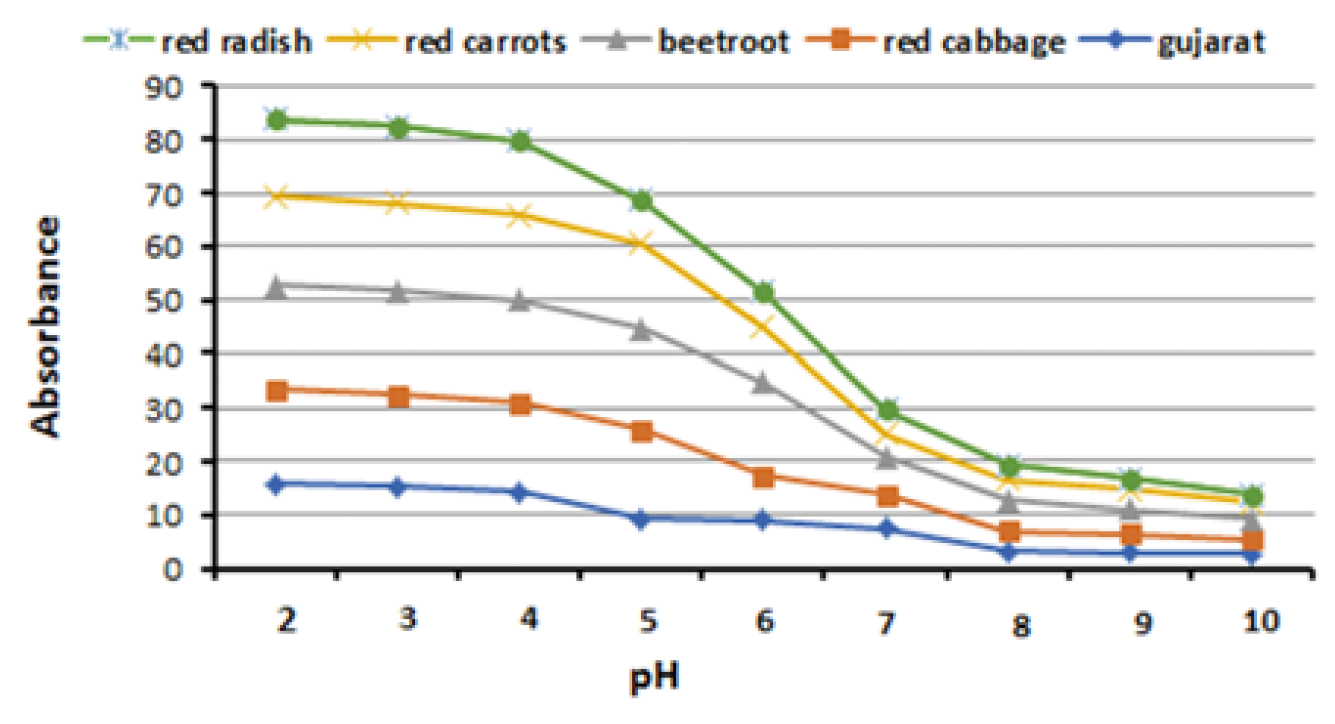
Figure 2 showed the effect of pH on the stability of anthocyanin pigments extracted from the plant samples under study using different pH values ranging between 2-10 for 30 minutes. As the figure shows, the high stability of the anthocyanin pigment extracted from Gujarat in acidic conditions was pH 2-4 after 30 minutes. While the color of the dye deteriorated with the increase in PH values. This result came within what Kara and Ercelebi [51] stated, when they indicated that the color of the anthocyanin pigment extracted from Gujarat gradually turns from dark red to light red at PH values from 1-4, while the color of the dye changes to blue at pH 7, as mentioned by Paristiowati et al. [52]. The red color of Gujarat pigment appears clearly at pH ranges between 1- 3, then begins to change at pH 4 to pink and fades at pH 7 and color changes begin to appear at pH 8 as it tends to greenish-brown. Also, Aishah et al. [19], observed during their study that the color intensity of Gujarat dye increased in the pH range from 2 to 4 and then decreased by half at pH 4.5.
Figure 2: Effect of pH on the Stability of the Anthocyanin Pigment Extracted from the Plant Samples Under Study
The same figure showed the effect of pH on the stability of anthocyanin pigment extracted from red cabbage. It was noted that the high stability of the dye in acidic conditions was at pH 2-5 after 30 minutes. This result was consistent with what Rizk et al. [39], mentioned, when they indicated the stability and stability of red cabbage dye at pH 1-5 and that the color deterioration does not exceed 20% and the color deterioration reached 15 and 50% at pH 4 and 7 respectively after 30 minutes. Also Rizk et al. [39] reported that the high stability of anthocyanin pigment extracted from red cabbage was in acidic conditions at pH 1-4 after 180 minutes.
The same figure showed the effect of pH on the stability and stability of the anthocyanin pigment in beet. The stability of the pigment at acidic conditions ranged between 2-6 after 30 minutes. These results were identical to what Ibraheam et al. [53] stated, when they indicated the stability of betalain pigment represented by anthocyanins under acidic conditions from 2 to 6 after 120 hours the red color has a high stability for up to 120 hours and with an increase in pH up to 7, the red color fades to become colorless at pH 10. Celli and Brooks [54] indicated the use of different pH values ranging between 3-7 and the stability of the dye at pH ranged from 4-6. Betalain is more stable than other anthocyanin pigments against hydrolysis or degradation, although the betalain charge varies with the pH value [55], Therefore, it is allowed to apply it to low-acid foods with a pH less than 3.5 and the maximum absorbance changes towards lower wavelengths and at pH higher than 7 [55,56], Dehydrogenation of betalain leads to the formation of neobetanin, which leads to the appearance of a yellow color and this can occur at alkaline conditions, while acidic conditions lead to recondensation of betalamic acid with an amine group [57,58] which enhances the natural color.
Figure 2 also shows the effect of pH on the stability of anthocyanin pigment extracted from red carrots. It is also noted that the high stability of the dye under acidic conditions was at a number ranging from 2 - 5 after 30 minutes , The results of the study came within what was stated by Assous et al. [45] and Megali et al. [44], as they indicated that the stability of anthocyanin pigment extracted from red carrots was more clear at pH ranging from 1 - 5 after 30 minutes , while the highest decrease of the pigment was at pH 7.
The same figure also showed the effect of pH on the stability and stability of the anthocyanin pigment extracted from red radish. The stabilization and stability of the pigment at pH ranged between 2-4 after 30 minutes, while the deterioration of the dye increases with increasing pH. The PH has a significant effect on the stability of the anthocyanin pigment. The high stability of the pigment is due to the presence of the flavylium ion which gives the dye more color and intensity. As these salts are stable only under highly acidic conditions and when the pH increases a significant deterioration occurs in the structure of the anthocyanin pigment , This is due to the fact that the flavilium salts lose a proton and turn into a quinoidal. It is an unstable pigment and immediately binds to water and forms a colorless compound called chrominol [10,39,59].
Also, Sipahli et al. [9], mentioned that the red flavilium and the concentration of the ketone cation in the acidic medium and its possible interaction with the existing common pigments affect the absorption properties and therefore the anthocyanin pigment appears more stable.
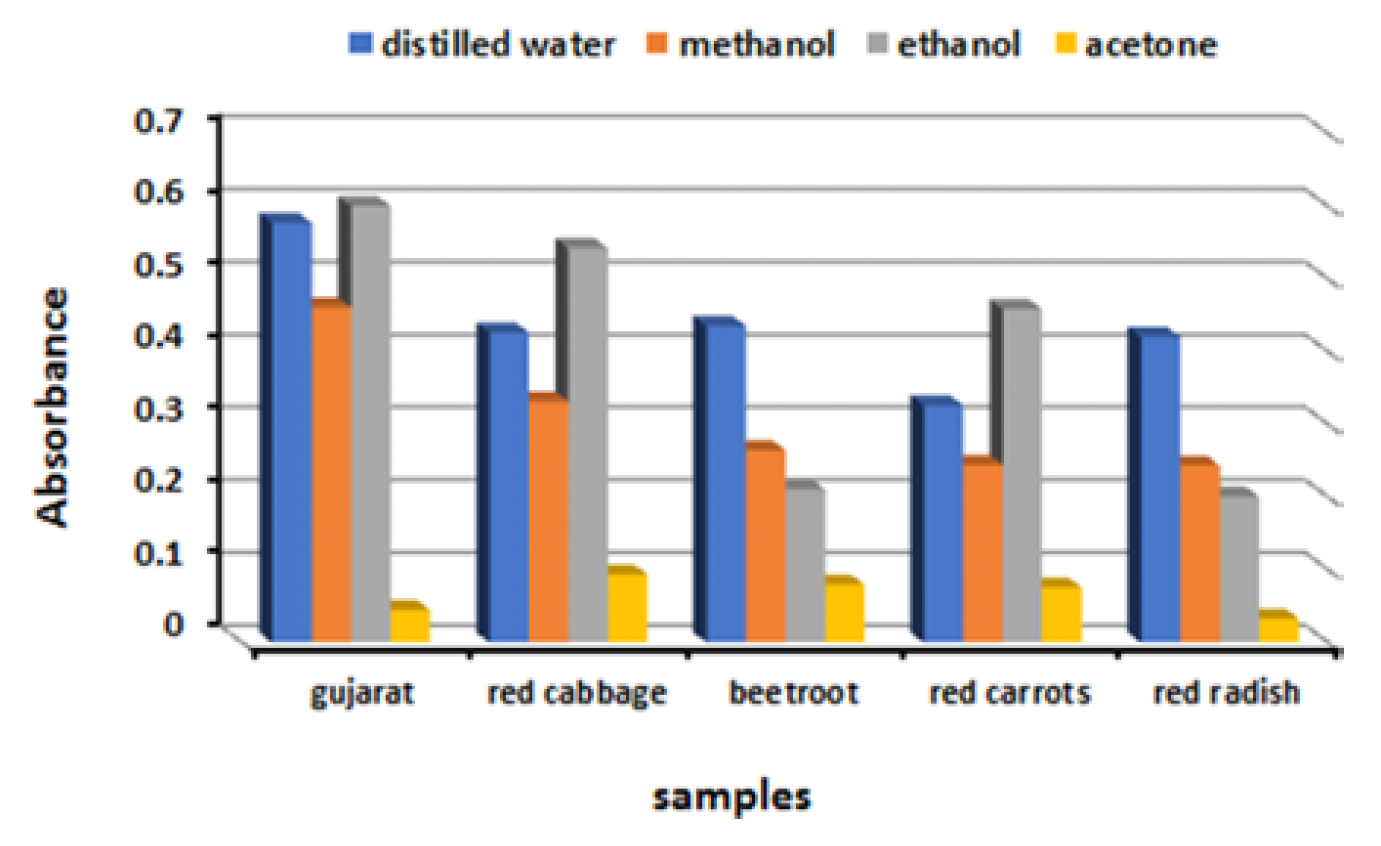
Figure 3: Effect of Solutions on the Stability of Anthocyanin Pigment
The Effect of Different Solutions on the Stability of the Extracted Anthocyanin Pigment
Figure 3 shows the effect of distilled water, methanol, ethanol and acetone on the stability of the anthocyanin pigment extracted from the plant samples under study, The maximum wavelength (λ-max) was at 540 nm for gujarat extract when using ethanol, while red cabbage extract reached a maximum wavelength (max - λ) at 536 nm when using ethanol, As for beetroot extract, it reached a maximum wavelength of max - λ at 420 nm when using distilled water, while red carrot extract reached a maximum wavelength of max - λ at 530 nm when using ethanol and red radish extract reached a maximum wavelength of 410 nm when using distilled water.
Ibadi [10], mentioned that the maximum wavelength of gujarat extract was 544 nm when using ethanol, while for beet extract the maximum wavelength was 410 nm when using ethanol. The results showed that all extracts of anthocyanin pigment have high solubility in both ethanol and distilled water, partial solubility in methanol and insoluble in acetone and this reinforces some of the results obtained in the previous paragraphs.
REFERENCES
Khatoon, U. et al. "Assessment of bioactive compounds, antioxidative activity and quantification of phenols through HPLC in Solanum species." Ethno Med, vol. 12, no. 2, 2018, pp. 87-95.
Janiszewska-Turak, E. et al. "Natural food pigments application in food products." Nauka Przyroda Technologie, vol. 10, no. 4, 2016, pp. 51.
Cavalcanti, R.N. et al. "Non-thermal stabilization mechanisms of anthocyanins in model and food systems - an overview." Food Research International, vol. 44, no. 2, 2011, pp. 499-509.
Oancea, S. "A review of the current knowledge of thermal stability of anthocyanins and approaches to their stabilization to heat." Antioxidants, vol. 10, 2021, pp. 1337.
Sui, X. et al. "Combined Effect of pH and high temperature on the stability and antioxidant capacity of two anthocyanins in aqueous solution." Food Chemistry, vol. 163, 2014, pp. 163-70.
Cisse, M. et al. "Thermal degradation kinetics of anthocyanins from blood orange, blackberry and roselle using the arrhenius, eyring and ball models." Journal of Agricultural and Food Chemistry, vol. 57, no. 14, 2009, pp. 6285-91.
Ekici, L. et al. "Effects of temperature, time and ph on the stability of anthocyanin extracts: Prediction of total anthocyanin content using nonlinear models." Food Analytical Methods, vol. 7, no. 6, 2014, pp. 1328-36.
Gamage, G.C.V. et al. "Sources and relative stabilities of acylated and nonacylated anthocyanins in beverage systems." Journal of Food Science and Technology, vol. 58, 2021, pp. 1-15.
Sipahli, S. et al. "Stability and degradation kinetics of crude anthocyanin extracts from H. sabdariffa." Food Science and Technology, Campinas, vol. 37, no. 2, 2017, pp. 209-215.
Ibadi, A.A. "Extraction of anthocyanin pigments from different plants and study the effect of solvent, temperature and ph variation on it." Journal of Missan Researches, vol. 11, no. 21, 2015, pp. 37-44.
Chandrasekhar, J. et al. "Extraction of anthocyanins from red cabbage and purification using adsorption." Food and Bioproducts Processing, vol. 90, no. 4, 2012, pp. 615-623.
Attia, G.Y. et al. "Characterization of red pigments extracted from red beet (Beta vulgaris, L.) and its potential uses as antioxidant and natural food colorants." Egyptian Journal of Agricultural Research, vol. 91, no. 3, 2013, pp. 1095-1110.
Almahy, H.A. et al. "Ultrasonic extraction of anthocyanins as natural dyes from Hibiscus sabdariffa (Karkade) and its application on dying food stuff and beverages in kingdom of Saudi Arabia." American Journal of Biological and Pharmaceutical Research, vol. 2, no. 4, 2015, pp. 168-174.
Mohamed, R.K. et al. "Extraction of anthocyanin pigments from Hibiscus Sabdariffa L. and evaluation of their antioxidant activity." Middle East Journal of Applied, vol. 6, no. 4, 2016, pp. 856-866.
Abou-Arab, A.A. et al. "Physico-Chemical Properties of Natural Pigments (Anthocyanin) Extracted from Roselle Calyces (Hibiscus subdariffa)." Journal of American Science, vol. 7, no. 7, 2011, pp. 445-56.
Vankar, P.S. and D. Shukla. "Natural dyeing with anthocyanins from hibiscus rosa sinensis flowers." Journal of Applied Polymer Science, vol. 122, no. 5, 2011, pp. 3361-3368.
Cisse, M. et al. "Selecting ultrafiltration and nanofiltration membranes to concentrate anthocyanins from roselle extract (Hibiscus subdariffa)." Food Research International, vol. 44, 2012, pp. 2607-2614.
Hani, N.F. et al. "Physico-chemical properties and sensory acceptance of mixed drinks of red cabbage (Brassica oleracea L.) and roselle (Hibiscus sabdariffa L.) extracts." International Food Research Journal, vol. 26, no. 2, 2019, pp. 671-677.
Aishah, B. et al. "Anthocyanins from Hibiscus sabdariffa, Melastoma malabathricum and Ipomoea batatas and Its Color Properties." International Food Research Journal, vol. 20, no. 2, 2013, pp. 827-834.
Tavakolifar, F. et al. "Extraction of anthocyanins from Hibiscus Sabdariffa and assessment of its antioxidant properties in extra virgin olive oil." Fresenius Environmental Bulletin, vol. 25, 2016, pp. 3709-3713.
Xavier, M.F. et al. "Extraction of red cabbage anthocyanins: Optimization of the operation conditions of the column process." Brazilian Archives of Biology and Technology, vol. 51, no. 1, 2008, pp. 143-152.
Hosseini, S. et al. "Evaluation the organic acids ability for extraction of anthocyanins and phenolic compounds from different sources and their degradation kinetics during cold storage." Polish Journal of Food and Nutrition Sciences, vol. 66, no. 4, 2016, pp. 261-270.
Al-Abdulla, B.Y. and S.D. Oleiwi. "Estimation of some phytochemicals in extract of eggplant peels and cabbage leaves and using of pigment of them in drinks industry." Mesopotamia Journal of Agriculture, vol. 47, no. 2, 2019, pp. 128-138.
Alvarez, C.E. et al. "Application of microencapsulated anthocyanin extracted from purple cabbage in fermented milk drinks." Acta Agronomica, vol. 68, no. 2, 2019, pp. 134-141.
Monica, J. et al. "A novel method of stabilization of anthocyanins using beetroot peel and red cabbage." International Journal of Scientific and Research Publications, vol. 8, no. 5, 2018, pp. 558-62.
Guine, R.P.F. et al. "Optimization of bioactive compound's extraction conditions from beetroot by means of artificial neural networks (ANN)." Agricultural Engineering International: CIGR Journal, vol. 21, no. 4, 2019, pp. 217-223.
Espinosa-Acosta, G. et al. "Stability analysis of anthocyanins using alcoholic extracts from black carrot (Daucus carota ssp. sativus var. atrorubens Alef.)." Molecules, vol. 23, no. 11, 2018, pp. 2744.
Montilla, E.C. et al. "Anthocyanin composition of black carrot (Daucus carota ssp. sativus var. atrorubens Alef.) cultivars." Journal of Agricultural and Food Chemistry, vol. 59, no. 7, 2011, pp. 3385-3390.
Stintzing, F.C. et al. "Color and antioxidant properties of cyanidin-based anthocyanin pigments." Journal of Agricultural and Food Chemistry, vol. 50, 2002, pp. 6172-6181.
Ersus, S. and U. Yurdagel. "Microencapsulation of anthocyanin pigments of black carrot (Daucus carota L.) by spray drier." Journal of Food Engineering, vol. 80, 2007, pp. 805-812.
EL-Massry, F.H. et al. "Red carrot roots processed wastes as a source of natural red pigments." Egyptian Journal of Agricultural Research, vol. 91, no. 3, 2013, pp. 1083-1093.
Wentian, C. et al. "Improving red radish anthocyanin yield and of flavor removal by acidified aqueous organic based medium." School of Food Science and Technology, 2016, pp. 1-32.
Patil, G. et al. "Extraction dealcoholization and concentration of anthocyanin from red radish." Chemical Engineering and Processing, vol. 48, no. 1, 2009, pp. 364-369.
Giusti, M.M. et al. "Anthocyanin pigment composition of red radish cultivars as potential food colorants." Journal of Food Science, vol. 63, no. 2, 1998, pp. 219-224.
Zhang, J. et al. "Methylation formation to improve red radish anthocyanins solubility in cold water." International Journal of Chemical Engineering and Applications, vol. 4, no. 4, 2013, pp. 221-223.
Ahmadiani, N. et al. "Anthocyanins contents, profiles and color characteristics of red cabbage extracts from different cultivars and maturity stages." Journal of Agricultural and Food Chemistry, vol. 62, no. 30, 2014, pp. 7524-7531.
Aqil, T.S.H. and N.I. Al-barhawi. "Natural anthocyanin pigment comparable to chemical pigments." The Arab Journal of Scientific Research, vol. 2, no. 1, 2021, pp. 1-7.
Yao-Wu, H. et al. "Roselle anthocyanins: Antioxidant properties and stability to heat and pH." Department of Food Science and Biotechnology, 2018, pp. 2-13.
Rizk, E.M. et al. "Evaluation of red cabbage anthocyanin pigments and its potential uses as antioxidant and natural food colorants." Arab Universities Journal of Agricultural Sciences, vol. 17, 2009, pp. 361-372.
Bruno, E. et al. "Some functional properties of pigment extracts from red cabbage (Brassica oleracea) and red beet (Beta vulgaris)." Latin American Applied Research, vol. 42, no. 4, 2012, pp. 427-432.
Vijaya, D. and N. Thangaraj. "A study on the antioxidant and anticancer activity of red beet pigment of betalains from beta vulgaris." The International Journal of Analytical and Experimental Modal Analysis, vol. 12, no. 2, 2020.
Anton, S. et al. "Antioxidant activity of red beet juices obtained after microwave and thermal pretreatments." Czech Journal of Food Sciences, vol. 31, 2013, pp. 139-147.
Kaimainen, M. Stability of Natural Colorants of Plant Origin. Doctoral Thesis, University of Turku, 2014, http:/ urn.fi/URN:ISBN:978-951-29-5963-1.
Megali, H.K.H. et al. "Utilization of red carrot roots (Daucus carota L.) by-products as a source of natural pigments." Assiut Journal of Agricultural Sciences, vol. 50, no. 1, 2019, pp. 50-61.
Assous, M.T.M. et al. "Evaluation of red pigment extracted from purple carrots and its utilization as antioxidant and natural food colorants." Annals of Agricultural Sciences, vol. 59, 2014, pp. 1-7.
Merin, U. et al. "Thermal degradation kinetics of prickly pear frit red pigments." Journal of Food Science, vol. 52, 1987, pp. 485-490.
Piffaut, B. et al. "Comparative degradation pathway of malvidin 3.5-diglucoside after enzymatic and thermal treatments." Food Chemistry, vol. 50, 1994, pp. 115-120.
Aura, A.M. et al. "Characterization of microbial metabolism of syrah grape products in an in vitro colon model using targeted and non-targeted analytical approaches." European Journal of Nutrition, vol. 52, 2013, pp. 833-846.
Delgado-Vargas, F. and O. Paredes-Lopez. "Anthocyanins and betalains." Natural Colorants for Food and Nutraceutical Uses, CRC Press, 2003, pp. 167-219.
He, J. and M.M. Giusti. "Anthocyanins: Natural colorants with health-promoting properties." Annual Review of Food Science and Technology, vol. 1, 2010, pp. 163-187.
Kara, S. and E.A. Erçelebi. "Thermal degradation kinetics of anthocyanins and visual colour of urmu mulberry (Morus nigra L.)." Journal of Food Engineering, vol. 116, 2013, pp. 541-547.
Paristiowati, M. et al. "Rosa sp and Hibiscus sabdariffa L. extract in ethanol fraction as acid base indicator: application of green chemistry in education." Journal of Physics: Conference Series, vol. 1402, 2019, pp. 1-4.
Ibraheem, A.A. et al. "Improving red color of some food products using red beet powder." International Journal of Science and Research, vol. 5, no. 12, 2015, pp. 78-96.
Celli, G.B. and M.S.L. Brooks. "Impact of extraction and processing conditions on betalains and comparison of properties with anthocyanins - A current review." Food Research International, vol. 100, 2017, pp. 501-509.
Castellar, M.R. et al. "Color properties and stability of betacyanins from opuntia fruits." Journal of Agricultural and Food Chemistry, vol. 51, 2003, pp. 2772-2776.
Vaillant, F. et al. "Colourant and antioxidant properties of red-purple pitahaya (Hylocereus sp.)." Fruits, vol. 60, 2005, pp. 1-10.
Schwartz, S.J. and J.H. Von Elbe. "Identification of betanin degradation products." European Food Research and Technology, vol. 176, 1983, pp. 448-453.
Henriette, M.C.A. "Betalains: Properties, sources, applications and stability – A review." International Journal of Food Science and Technology, vol. 44, 2009, pp. 2365-2376.
Kalt, W. et al. "Anthocyanins, phenolics and antioxidant capacity of processed lowbush blueberry products." Journal of Food Science, vol. 65, 2000, pp. 390-393.
Recommended Articles
Research Article
The Impact of Medicinal Plant Extracts on Entamoeba histolytica Parasite in Rats: A Study on Hematological and Biochemical Parameters
Haneen Mohanad Maher,
...
Noor Rassam kamil
Published: 28/02/2026
Download PDF
Research Article
Determination of the Factors that Define the Tropism of Astroviruses in Established Cell Lines
Marwah Ali Oudah,
...
Shahad Ahmed Bakheet
Published: 15/12/2025
Download PDF
Research Article
Study the Influence of Planting Depths and Soil Type on Broad Bean Seed Germination and Growth
Muhammad Amin Walid Taha
Download PDF
Research Article
Blood Parasites of Budgerigar (Melopsittacus undulatus) in Maysan Governorate, Iraq
Rehal Jehad Husain
Published: 28/01/2026
Download PDF
PO Box 101, Nakuru
Kenya.
Email: office@iarconsortium.org
Editorial Office:
J.L Bhavan, Near Radison Blu Hotel,
Jalukbari, Guwahati-India
Khalaf, A. A. & Naji, E. Z. (2022). Study on the Factors Affecting the Stability of Anthocyanin Pigments Extracted from Some Plant Samples. Scientific Research Journal of Agriculture and Life Sciences, 2(2), 1-8.
MLA
Khalaf, Anwer A. and Ethar Z. Naji. "Study on the Factors Affecting the Stability of Anthocyanin Pigments Extracted from Some Plant Samples." Scientific Research Journal of Agriculture and Life Sciences 2.2 (2022): 1-8.
Chicago
Khalaf, Anwer A. and Ethar Z. Naji. "Study on the Factors Affecting the Stability of Anthocyanin Pigments Extracted from Some Plant Samples." Scientific Research Journal of Agriculture and Life Sciences 2, no. 2 (2022): 1-8.
Harvard
Khalaf, A. A. and Naji, E. Z. (2022) 'Study on the Factors Affecting the Stability of Anthocyanin Pigments Extracted from Some Plant Samples' Scientific Research Journal of Agriculture and Life Sciences 2(2), pp. 1-8.
Vancouver
Khalaf AA, Naji EZ. Study on the Factors Affecting the Stability of Anthocyanin Pigments Extracted from Some Plant Samples. Scientific Research Journal of Agriculture and Life Sciences. 2022 Jul;2(2):1-8.


 Download PDF
 Download XML