A trivalent Iron (III) metal chelates of sulfonamide-derived Azo-azomethine (HTDB), as ligand. The Azo-azomethine compound HTDB was synthesized using a condensation reaction of 4-((2-hydroxy-4-oxopent-2-en-3-yl)diazenyl) benzenesulfonamide and p-toluidine, resulting in a magnificent yield. The ligand connected with this transition metal through the oxygen of the hydroxyl group and the nitrogen of azomethine, acting as a bidentate. By using a variety of physical, spectral and analytical techniques. Physical (melting point, color, yields, solubility, magnetic susceptibility and conductance measurements), spectral (UV–visible, Fourier transform infrared spectroscopy, 1H NMR, 13C NMR and mass analysis) and analytical (CHN analysis) methods were used to determine the structures of the ligand and their transition metal complex. They expertly established the structures of the ligand HTDB and their transition metal complex.. Finally, the synthesized compounds were tested for antibacterial activity against strains of bacteria (Escheria coli and Streptococcus aureus) and fungi (Candida albicans).. The significant outcomes of these experiments demonstrated the bioactivity of the ligands and the transition metal complexes they had.
Keywords
Benzene Sulfonamide
Transition Metal
Ligand
INTRODUCTION
Studying coordination molecules, or metal complexes, is the main focus of coordination chemistry. Ten elements (V, Cr, Fe, Mn, Co, Cu, Ni, Mo, Zn and Cd) combine with many different biomolecules to generate a wide range of complexes that are necessary for different biological activities [1]. Our bodies need these metal complexes in minimal amounts; however, their surplus or scarcity can lead to numerous severe illnesses.[2]. The significance of metal complexes in both clinical and commercial aspects continues to grow as these medicinal drugs are increasingly used for treating a variety of illnesses.[3]. The development of metal complex-based chemotherapeutic agents for clinical use has made considerable advancements in the field of medicinal chemistry, as they combat numerous human illnesses. These include various forms of cancer, tumors, diabetes mellitus, anti-inflammatory conditions, antifungal activity and a broad spectrum of bacterial infections.[4]. The use of metal complexes of transition elements has become important in the fields of materials synthesis, catalysis and photochemistry in recent times [5]. Platinum metal complexes are often utilized as cancer chemotherapy medicines, such as cisplatin, carboplatin and nedaplatin. They work by damaging the DNA of cancer cells, which prevents them from dividing and spreading [6]. Metal complexes, such as Copper(II), vanadium(V), zinc(II) and oxidovanadium(V), have demonstrated exceptional properties in the inhibition of both antibacterial and urease enzymes, as well as catalysis [7]. According to the literature, sulfonamides have a variety of biological actions, including dihydropteroate synthetase inhibitor, chemotherapy for cancer, anti-malarial, antibacterial, antithyroid, antidiabetic, anti-HIV/AIDS, anti-parasitic and antiepileptic properties. [8]. Derivatives of sulfonamide metal chelates show many biological activities: diuretic, hypoglycemic, hypothyroid, antimalarial, antitumor, anti-angiogenic, anti-tubercular, antibacterial, antifungal, anti-inflammatory, antidiabetic, anti-HIV, anticancer and anticarbonic anhydrase. [9]. Additionally, Gold sulfonamide chelates have promising applications in the treatment of rheumatoid arthritis and skin disorders[10].Various azo-azomethine-aromatic compounds have been investigated, incorporating a variety of aromatic and heteroaromatic rings, including phenyl derivatives [11], pyridine [12], pyrimidine [13], triazole [14], indole [15] and others. The inclusion of both the azo group (−N = N−) and the azomethine group (-C = N) renders these azo-azomethine compounds unique. This allows for a larger extension of π-electronic conjugation, resulting in high light absorption in the visible region of the electromagnetic spectrum.. These ligands can coordinate with a broad range of metals and numerous of their complexes have been employed in catalytic reactions [16] and as models for biological systems [17].
Experimenetal
Phsical Parameters and "Materials": The analytical-grade chemicals used in this experiment were purchased from (Fluka) and Sigma Aldrich and were administered without further purification. First, ethanol was double-distilled before being used. All glassware was meticulously cleaned. Utilizing a Thermoscientific melting point instrument, the produced compounds' melting points were determined. Elemental (CHN), "TG/DTA", "UV-Vis" and studies of metal content were conducted using an ECS-4010 (CHNSO) Analyzer, TG209 F1 Libra, Pd-303 UV-Vis spectrophotometer (Japan) and Phoenix-986 atomic absorption spectrophotometer, respectively. Solid-state FTIR spectra were acquired with KBr pellets and a Shimadzu FT-IR model 84005 "Spectrophotometer, covering a range of 4000 - 400 cm-1. A Brucker spectrophotometer (400 MHz) was employed to examine the 1HNMR and 13CNMR spectra using TMS as an internal standard and "DMSO-d6" as the solvent. EI-MS measurements were performed on Modems-5957c VL MSD(EI) 70ev. Utilizing a magnetic susceptibility balance on Sherwood Scientific Devised, magnetic moments at 308 K were observed. An HI 2315 Conductivity Meter was used to test the complexes' molar conductivities at room temperature. In Dimethyl formamide solution (DMF) for substances in (10-3 M) solutions. Tests were conducted on compounds against various bacteria and fungi.
Synthesis Of 4-((2-Hydroxy-4-(P-Tolylimino )Pent-2-En-3-Yl)Diazenyl)Benzenesulfonamide Ligand ( HTDB )
The chemical was created using the approach outlined in the literature [18]. Initially, 10 mL of 3.0 N HCl were used to dissolve 5 mmol of sulfanilamide (0.86 g), which was then agitated until a clear solution was produced. "Sodium nitrate" (7.50 mmol, 0.50 g) was then gradually while stirring was added and lowering the temperature of the solution to 0–5°C. Stirring continued for a further 45 minutes after the addition was finished. Separately, 30 mL of an aqueous Na2CO3 solution (20 mmol) was used to dissolve 0.5 g of acetylaceton (5 mmol), which was Afterwards, it was cooled in an ice bath to 0–5 °C. This combination was gradually added to the cold sulfanilamide diazonium salt solution. Another two hours were spent stirring at 0 to 5 degrees Celsius to maintain the pH at 6-7. The desired azo compound was obtained by recrystallizing the produced precipitate from ethanol after the precipitate had been manufactured. Through the use of thin-layer chromatography and an ethanol/chloroform (1:8) solvent system, the purity of the azo compound was evaluated. The fascinating and elaborate process of Schiff-base production, comprising a conventional condensation reaction, was described. In this fascinating experiment, a balanced 1.0 mmol (0.28 g) of the alluring Azo compouned and the 1 mmol of the alluring p-toluidine were smoothly dissolved in a negligible amount of methanol. We cautiously added a few drops of glacial acetic acid to intensify the process and we let it to reflux for exciting periods of 5 to 7 hours. The product's thrilling result was then painstakingly investigated using TLC in an acetone/chloroform (7:3) mixture. In an exciting process, A freezing temperature was reached after cooling the reaction mixture., resulting in the formation of pure compounds. This intriguing precipitate was then carefully filtered and washed, using cold absolute methanol, before being left to dry in open air. A fascinating variety of synthetic preparations for azo-azomethine compounds are brilliantly encapsulated in Figure 1. 73% yield, M.P.279 ±1 ͦC.
"Synthesis" of Coordination Complexes
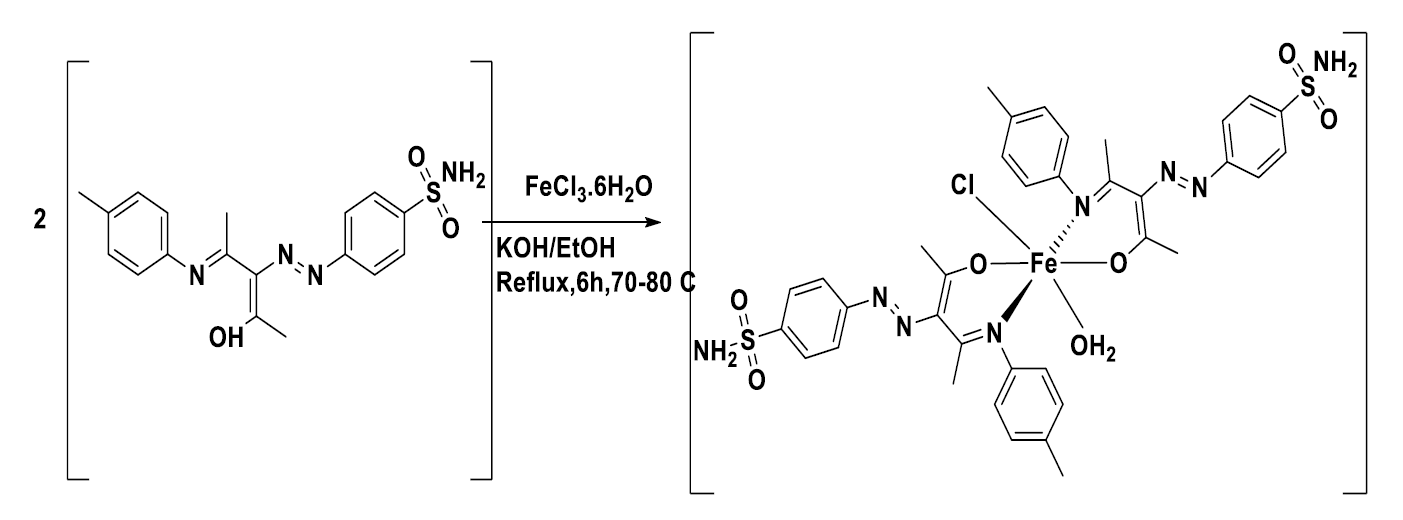
The previously reported approach was used to generate the metal complexes under the assumption of a 2:1 ligand/metal ratio [19]. The appropriate metal salt (0.5 mmol) It was added at magnetically refluxed ethanol solution of the binder (1.0 mmol). Until the result precipitated, the reaction mixture was refluxed for four to six hours. Hot ethanol was used to filter and wash the precipitated product. To get the pure product, the substance was recrystallized using an ethanol and ether combination . Figure 2 shows the synthetic route of the metal complex. The coordination complex, ligand and their elemental, physical and spectral data were characterized. Table 1 lists all of the compounds' physicochemical characteristics. The structures and content of the products were confirmed by the spectral and analytical data.
Figure 1: Synthesis of (HTDB)
Table 1: Phsical and Analytical Measuerments
M
N
H
C
M.Wt
Yield %
Chemical formula
Sym.
Cal. Fon.
Cal. Fon.
Cal. Fon.
Cal. Fon.
- - -
- - -
15.04
14.24
5.41
5.01
58.05
57.55
372.44
( 73 )
C18H20N4O3S
HTDB
6.55
6.21
13.15
12.76
4.73
4.04
50.74
50.11
852.18
( 69 )
(Fe(C36H40N8O7S2Cl))
Fe[HTDB]
Figure 2: Synthesis of [Fe(HTDB)] Complex
Biological Evaluation
Using the Agar well diffusion technique, the ligand and its complexes were screened in vitro against three different microbes: Escherichia Coli (a Gram-negative) , Staphylococcus aureus (a Gram-positive) and Candida albicans [20]. Using a spreader, a standard inoculum of microbes (105 CFU/mL) was applied to the nutrient agar plates. This was followed by the application of wells with a 6 mm diameter, each containing 100 µL of the examined organisms (1 mg m/L). Microbes were cultivated on agar plates for a duration of 24 to 36 hours at 37 degrees Celsius. The standard medicine utilized to treat Staphylococcus aureus and Escherichia coli bacteria was chloramphenicol, whereas nystatin was used as an antifungal reference drug to treat Candida albicans at a dose of 100 µg/mL–1. The zone of inhibition surrounding the well's diameter was used to calculate the susceptibility. Every test was run, at the very least, twice. Parallel tests were conducted using DMSO as a negative control and nystatin and chloramphenicol as positive controls for bacterial and fungal strains, respectively.
RESULTS AND DISCUSSION
"FT-IR" spectra
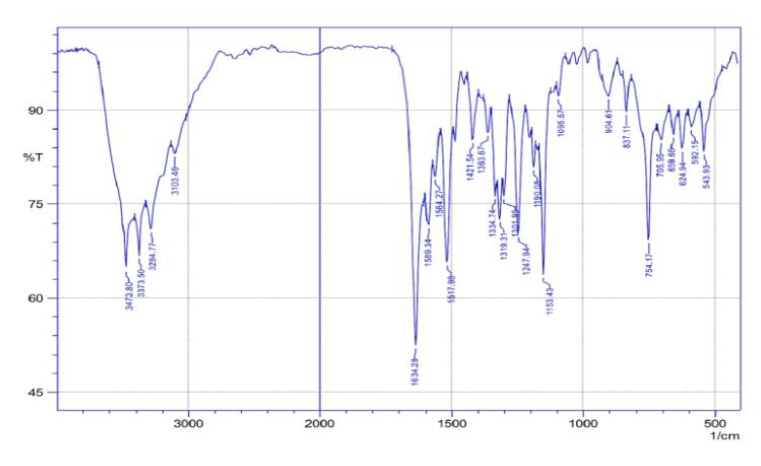
The chemical was created and the FTIR spectra (Figure 3) revealed the subsequent bands of absorption.: 1517 cm-1 (aromatic C = C), 3373 cm-1(NH2), 3473 cm-1 "(O-H)", 1634 cm-1 (-C = N)" and 1421 cm-1 "(N = N)". Additionally, the SO2 const- ituent may be seen in bands between 1319 cm-1 and 1153 cm-1, which correspond to SO2's stretching vibrations, that are, respectively, asymmetrical and symmetric [21-23]. FT-IR spectral calculations revealed that for a ligand that, depending on its structure, can act as a bidentate ligand, FT-IR measurements should give a strong evidence of the metal ion complexation behavior.
Figure 3: HTDB's FT IR Spectrum
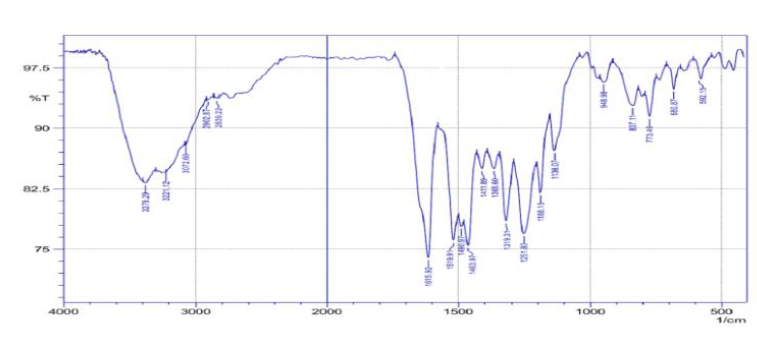
Peaks at around 3379 cm-1 attest to the presence of water molecule involved throughout the construction of the complex; Thermogravimetric measurements and CHN confirm this. The peaks of the azomethine group (-C = N) in metal complexes were moved from 1634 cm–1 to a lower frequency of 1615 cm–1 after the complexation proposal was coordinated by the azomethine group (N →M) . The mean intensity range between 460 and 490 cm-1 may have an impact of vibrations (M-N) [23]. The characteristic band at 3473 cm-1 because of OH stretching vibrations was not seen in the complex's spectra. [24] With the introduction of a fresh wide band at 3379 cm-1 attributed to water molecules, signifies the complex's deprotonation. Peak frequency changes suggested that both groups are involved in coordination. OH bending of the coordinated water molecules was responsible for the band at 837 cm-1 in the Fe (III) complex's spectrum. These new bands were only visible in the spectra of the metal complexes and they were later identified as components of these donor groups. The -SO2 group's band at 1319 cm–1 is mostly unaltered in the chelates, suggesting that the group is not involved in coordination (Figure 4).
Figure 4: Metal Complex's FT-IR Spectra
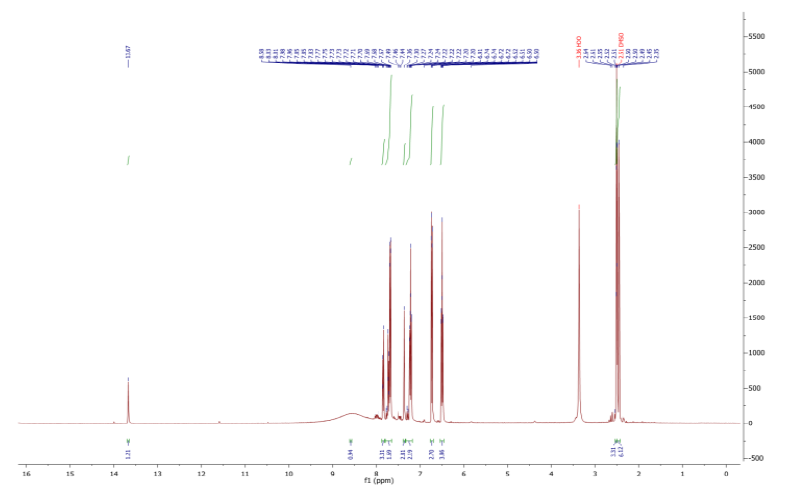
Figure 5: The (HTDB) 1HNMR "Spectrum"
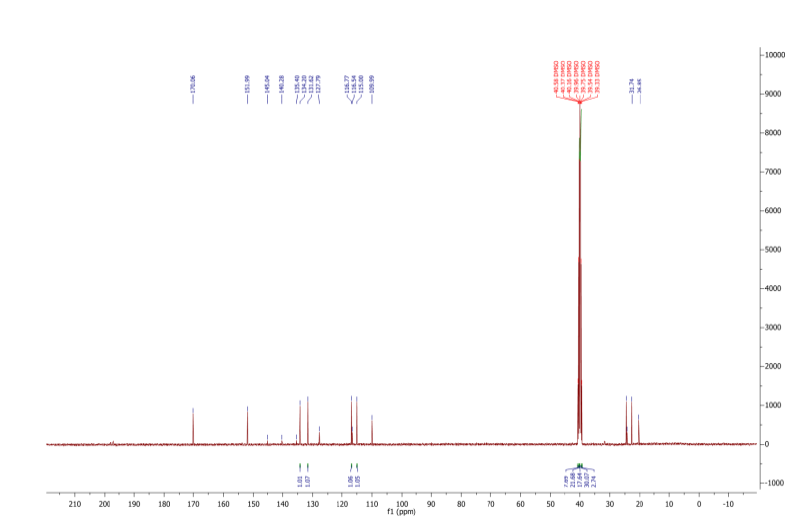
Figure 6: The (HTDB) 13CNMR spectrum
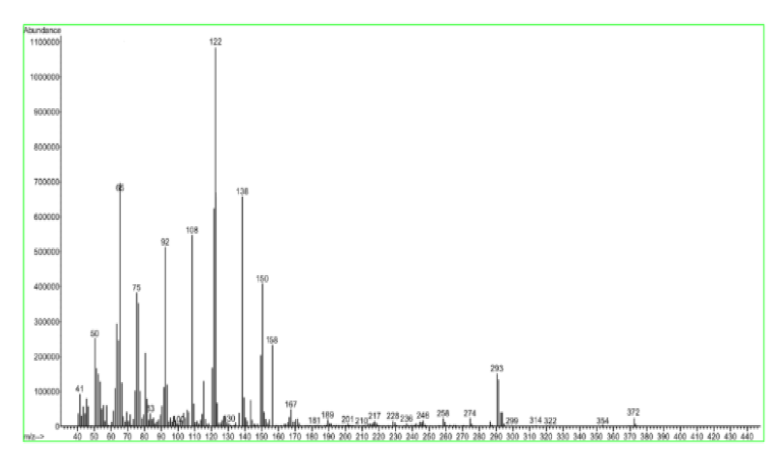
Table 2: The HTDB's Mass Fragmentation Data
No
Fragments
Mass/Charg (m/z+)
1
C18H20N4O3S].+
372
2
C18H19N3O]+
293
3
C6H7NO2]+
157
4
C7H6O2]+
122
5
C7H8]+
92
1H NMR "Spectra"
The ligand's 1H NMR spectra shown with 6.96 - 8.03 ppm (m, 8H, Ar-H) ,13.50 ppm (s, 1H, OH). 7.24 ppm (m, 2H, NH2), 2.51ppm (s, 6H, 2CH3) and 2.64 ppm (s, 3H, CH3) [25]. By finding all of the protons in the anticipated locations, their IR spectrum measurements provided proof of the binding mode. Figure 5.
13C NMR Spectra
The ligands' 13C NMR spectra were likewise acquired in DMSO-d6. It was discovered that the carbon atoms' potential spectrum assignments fell within the predicted range. Confirming the binding possibilities that the 1H NMR and FTIR spectrum data show. It was found that the ligand had 152 ppm of the azomethine's carbon (–HC = N). Because of the hydroxyl group, the 170 ppm (C-O) is present. The presence of methyl groups was shown by the peaks at 20–26 ppm. 109–145 ppm (aromatic ring) as well [26]. Figure 6.
Figure 7: Mass Spectra of HTDB
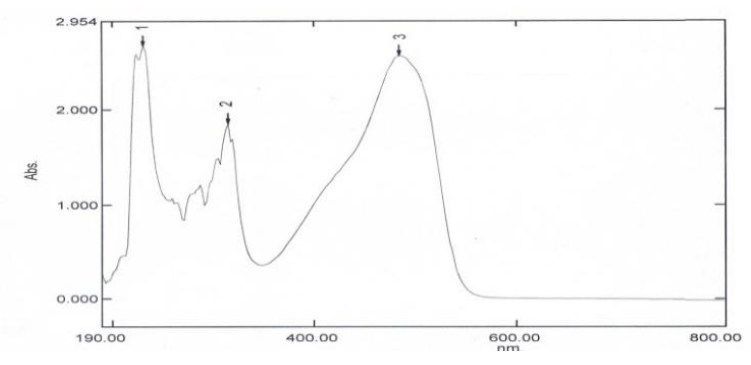
Table 3: Conductance, Magnetic Moments Anduv-Visb. Data
µeff (B.M)
Assignment
λmax (nm)
Com
- - - -
π → π*
π → π*
n → π*
232
316
484
HTDB (L)
5.87
n → π*
6A1g(S) → 4T2g(G)
6A1g(S) → 4T1g(G)
388
550
694
(Fe(L) 2(H2O) Cl)
Mass Spectra
The mass spectrum of the Azo-azomethin ligand is displayed in Table 2 and Figure 7. It has a clearly defined molecular ion peak at m/z = 372 amu, which corresponds (M+1) with the molecular formula of the HTDB ligand (C18H20N4O3S). The fragments are identified by a series of peaks in the ligand's spectrum located at m/z, 293, 157, 122 and 92 amu. The stability of the components is shown by the strength of these peaks [27].
Measurements of the Molar Conductivity
Table 3 lists the molar conductivities of 1 × 10⁻³ M complex solutions that were measured in DMF at room temperature. This metal complex possesses a value of 19 Ω−1.cm2.mol−1 suggesting that there is no electrolysis in these chelates [28]. By nature and excluding the possibility of any counterions in the suggested structures [29].
Magnetic Susceptibility and Electronic
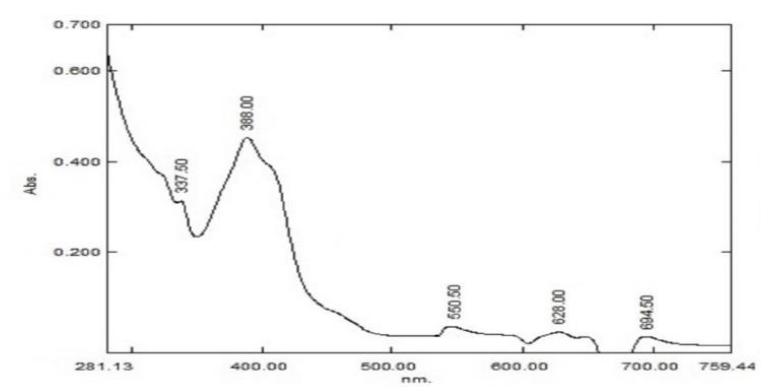
Spectra Measuerments: The generated compounds’ UV-Vis spectra were acquired by dissolving the resulting substances in the DMSO solvent in the 200–800 nm range; the corresponding bands are gathered in Table 3 and exhibited in Figure 8. According to the ligand HTDB's spectra, It was the band at 232. corresponding to the transition of the type in the phenyl rings, π→π*. In the C = N group, N = N group and SO2 group, respectively, the bands that occur at 316 and 484 nm in the spectrum are ascribed to the π→ π* and n → π* transitions. These bands were moved to a longer or lower wavelength in the metal complex, indicating that the metal ion had received a gift of one of Azomethin's nitrogen lone pairs of electrons. Additionally, the bands were detected in the 388 nm range, which may be related to the transfer of charge from ligand to metal. Moreover, the bands at 550 nm followed the LMCT band. The synthesized compounds' octahedral structure's d → d transition is primarily responsible for this band. [30]. With respect to the trivalent Fe complex, HTDB-Fe, Figure 9 shows that the bands that emerged at 550 and 694 nm corresponded to the transitions of type 6A1g(S) → 4T2g(G) and6A1g(S) → 4T1g(G), respectively, providing successively with d5 octahedral iron chelates [31]. For this high spin, a µeff value of 5.87 B.M. was found.
Figure 8: HTDB's UV-Vis Spectra
Figure 9: Fe[HTDB] UV-Vis Spectrum
Study of Thermo Gravimetric Analysis By
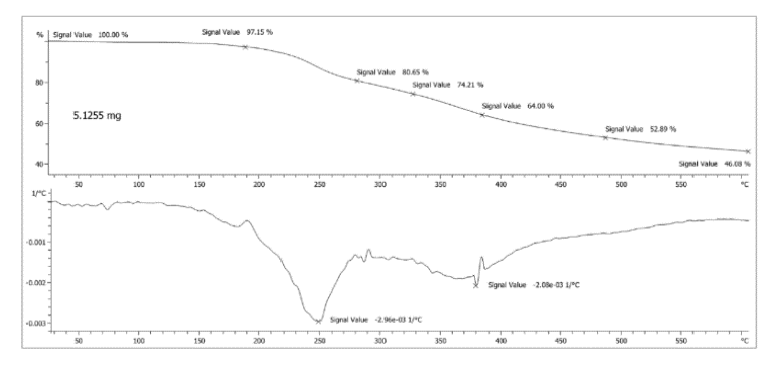
TGA and DSC Curve: One of the most helpful methods for predicting the molecular structure and stability of compounds is the thermal analysis methodology, which offers vital information on the thermal characteristics of compounds, the stages of thermal degradation, the kinds of intermediates and residual products. Understanding the kind and amount of water and/or organic solvent molecules that are associated to the metal center, as well as the anionic groups connected to it, is essential. In a nitrogen environment (20 ml min−1), the complexes' thermal behavior was ascertained at a heating rate of 10 ◦C min−1 within the temperature range of 30–600 ◦C. The thermograms of Fe(III) chelates in Figure 8 illustrate the initial stage of breakdown in the temperature range of 30–220 ◦C, which corresponds to the loss of coordinated water molecules, within a mass loss of 2.85% (calculated as 2.11%) [32]. During this phase, a portion of the organic ligand and coordinated chloride ions are lost. Following the second stage, the organic ligand broke down gradually over the course of two or three phases, reaching 600°C, the applied heating temperature. DTA thermogram showed two endothermic peaks appeared at 250 °C and 380 °C, these may be due to some physical or chemical change phenomenon occurring during weight loss, such as melting, phase change, chemisorptions etc [33].
Figure 10: TGA and DCS of Fe (HTDB)
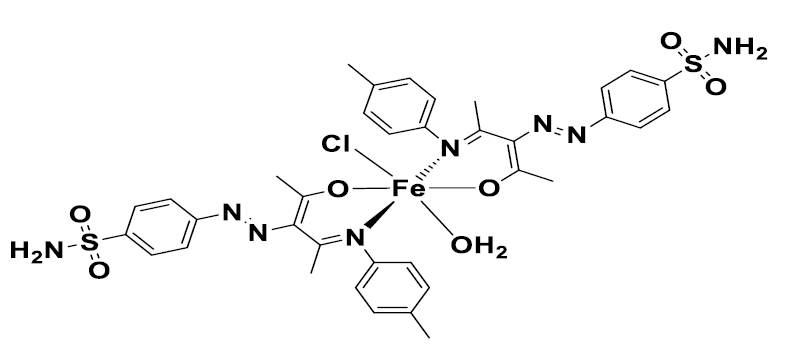
Figure 11: The Proposed Structure for Metal Chelates
Structural Interpretation
According to findings from spectroscopic, elemental and thermal examinations, metals are coordinated in a 1:2 M/L ratio through the N and O atoms of ligand molecules (Figure 10-11). HTDB is bonded to the Fe (III) ion in a chelating mode through its nitrogen azomethin group and ,O-hydroxyl group through proton displacement and two atoms to complete the octahedral coordination , oxygen atoms from water molecule and chlorid ion. The findings from Thermogravimetric Analysis and FT-IR proved the coordination of a water molecule [34]. Octahedral geometry is present in the synthesized complexes for the same reason.
Antimicrobial Assay
Significant antibacterial activity was demonstrated by the ligand and complex of azo-azomethine against several types of bacteria. The ligand and its complex did, however, exhibit moderate effectiveness against these infections when compared to the outcomes of current antibiotic and antifungal medications. On the other hand, ligand and complexe had little effects on fungal strains. Remarkably, the complex demonstrated increased activity in comparison to the free ligand. Comparing the complex to Streptococcus aureus, it demonstrated a higher level of sensitivity against E. coli. The antibacterial assay's biological research data reveals that the complexes exhibit more antimicrobial activity than the ligand. The chelation theory provides an explanation for this enhanced activity [35]. Table 4 presents the findings.
Table 4: The Ligand And Complex of Azo-Azomethine have Antimicrobial Action
Bacterial and Fungal
strains
"Inhibition" Zone
Ligand
Complex
Chl*
Nys*
DMSO
S.Aureus
8
13
17
- - -
No.Zone
E.Coli
10
18
20
- - -
No.Zone
C.Albicans
No.Zone
No.Zone
- - -
22
No.Zone
* Nystatin (Nys) and * Chloramphenicol (Cam) were employed as strand medicines for fungus and bacteria, respectively. As a negative control, DMSO was employed and no impact was seen
CONCLUSION
The preparation of ligands integrated into sulfonamides was achieved using the equimolar condensation of 4-((2-hydroxy-4-oxopent-2-en-3-yl) diaz enyl)benzenesulfonamide with p-toluidine. By using azomethine-N and O, the sulfonamide Aao-azomethin ligand functioned as bidentate ligands and complexed with the Fe(III) metal ion. Through the use of analytical, spectroscopic and physical methods, the compounds were described. Based on magnetic investigations and examination of the chemical formula, the complexes have an octahedral geometry. The nonelectrolytic nature of the metal complexes was verified by the molar conductance. Antibacterial and antifungal tests were conducted on all of the produced compounds. The produced compounds showed somewhat substantial activity, according to the data. Because of their chelating properties, the metal complexes' biological screening findings revealed greater activity than those of their corresponding ligands.
REFERENCE
Rani, Vaddadi Usha et al. “Chemical speciation of binary complexes of embelin with some biologically important metal ions.” Acta Chimica Slovenica, vol. 57, no. 4, 2010.
Nagy, B. et al.Acta Chimica Slovenica, vol. 60, 2013, pp. 263–273.
Ott, Ingo. “On the medicinal chemistry of gold complexes as anticancer drugs.” Coordination Chemistry Reviews, vol. 253, nos. 11–12, 2009, pp. 1670–1681.
Ghanghas, P. et al. “Synthesis and properties of inorganic compounds.” Inorganic Chemistry Communications, vol. 130, 2021, p. 108710, doi:10.1016/j.inoche.2021.108710.
Warra, A.A. “Chemical and pharmaceutical studies.” Journal of Chemical and Pharmaceutical Research, vol. 3, 2011, pp. 951–958.
Khoury, A. et al. “Gold complexes and biological activity.” Journal of Inorganic Biochemistry, vol. 207, 2020, p. 111070, doi:10.1016/j.jinorgbio.2020.111070.
Liu, C. “Coordination chemistry studies.” Acta Chimica Slovenica, vol. 69, 2022, pp. 157–166, doi:10.17344/acsi.2021.7167.
Dalia, S.A. et al. “Chemical synthesis and evaluation.” International Journal of Chemical Studies, vol. 6, 2018, pp. 2859–2866.
Pervaiz, Muhammad et al. “Synthesis and characterization of sulfonamide metal complexes as antimicrobial agents.” Journal of Molecular Structure, vol. 1202, 2020, pp. 127284.
Abu-Khadra, Ahmad Sabry et al. “Synthesis, characterization and antimicrobial activity of Schiff base metal complexes.” American Journal of Analytical Chemistry, vol. 7, no. 3, 2016, pp. 233.
Al-Resayes, S.I. et al. “Synthesis, spectroscopic characterization and in vitro antimicrobial studies of Schiff base metal complexes.” Arabian Journal of Chemistry, vol. 9, 2016, pp. 335–343.
Santos, Antonio F. et al. “Study of the antimicrobial activity of metal complexes and their ligands through bioassays applied to plant extracts.” Revista Brasileira de Farmacognosia, vol. 24, 2014, pp. 309–315.
Lewandowski, E.M. et al. “Mechanisms of proton relay and product release by class A β-lactamase at ultrahigh resolution.” FEBS Journal, vol. 285, 2018, pp. 87–100.
Lewandowski, E.M. et al. “Antibacterial properties of metallocenyl-7-ADCA derivatives and structure in complex with CTX-M lactamase.” Organometallics, vol. 36, 2017, pp. 1673–1676.
Wenzel, M. et al. “Analysis of the mechanism of action of potent antibacterial hetero-tri-organometallic compounds.” ACS Chemical Biology, vol. 8, 2013, pp. 1442–1450.
Stolz, A. “Basic and applied aspects in the microbial degradation of azo dyes.” Applied Microbiology and Biotechnology, vol. 56, 2001, pp. 69–80.
Al-Abadi, F.F.S. “Synthesis and characterization of azo dyes and adsorption studies on activated charcoal.” Materials Today: Proceedings, vol. 49, 2022, pp. 2699.
El-Sherif, A.A. et al. “Synthesis, characterization and biological activity of Cu(II), Ni(II) and Co(II) complexes.” Spectrochimica Acta Part A: Molecular and Biomolecular Spectroscopy, vol. 96, 2012, pp. 889.
Yasmeen, S. et al. “Enzyme inhibition studies of metal complexes.” Journal of Enzyme Inhibition and Medicinal Chemistry, vol. 32, 2017, pp. 106.
El-Ghamry, Hoda A. et al. “Metal chelates of sulfafurazole azo dye derivative: synthesis, biological activity and molecular docking.” Bioinorganic Chemistry and Applications, 2023.
Yiase, S.G. et al.Journal of Applied Chemistry, vol. 7, 2014, pp. 4.
Dyba, M. et al.Current Pharmaceutical Design, vol. 10, 2005, pp. 2311.
Buldurun, Kenan et al. “Synthesis, spectroscopic properties and biological evaluation of Co(II) and Fe(II) Schiff base complexes.” Research on Chemical Intermediates, vol. 46, 2020, pp. 283–297.
Jing, Changling et al. “Synthesis, structures and urease inhibitory activity of cobalt(III) complexes with Schiff bases.” Bioorganic and Medicinal Chemistry, vol. 24, no. 2, 2016, pp. 270–276.
Sumrra, Sajjad H. et al. “Synthesis, characterization and biological screening of metal complexes of novel sulfonamide derivatives.” Applied Organometallic Chemistry, vol. 34, no. 7, 2020, pp. e5623.
Ramadan, Ahmed M. et al. “Synthesis, characterization, biological evaluation and molecular docking of nickel(II) complexes.” Applied Organometallic Chemistry, vol. 35, no. 12, 2021, pp. e6412.
Mohammed, Khadija F. and Hasan A. Hasan. “Synthesis, chemical and biological activity studies of azo-Schiff base ligand and its metal complexes.” Chemistry Methodologies, vol. 12, 2022, pp. 905–913.
Chandra, S. and P. Pipil. Open Journal of Inorganic Chemistry, vol. 4, 2014, pp. 30.
Keypour, H. et al.Journal of Molecular Structure, vol. 1032, 2013, pp. 62.
Buldurun, Kenan et al. “Synthesis, spectroscopic properties, crystal structures, antioxidant activities and enzyme inhibition determination of Co(II) and Fe(II) complexes of Schiff base.” Research on Chemical Intermediates, vol. 46, 2020, pp. 283–297.
El-Ghamry, Hoda A. et al. “Design, spectral, antimicrobial and DNA binding studies of sulfisoxazole azo dye metal chelates.” Applied Organometallic Chemistry, vol. 36, no. 9, 2022, pp. e6813.
Reda, Shaima Mohammed and Abbas Ali Salih Al-Hamdani. “Mn(II), Fe(III), Co(II) and Rh(III) complexes with azo ligand.” Baghdad Science Journal, 2022.
Yaqoob, Muhammad et al. “Synthesis, characterization, anti-glycation and antioxidant activities of sulfanilamide Schiff base metal chelates.” Acta Chimica Slovenica, vol. 69, no. 4, 2022, pp. 772–778.
Batool, S.S. et al.Polyhedron, vol. 178, 2020, p. 114346, doi:10.1016/j.poly.2020.114346.
Azam, Mohammad et al. “Synthesis, structural characterization and antimicrobial activity of Cu (II) and Fe(III) complexes incorporating azo-azomethine ligand.” Molecules, vol. 23, no. 4, 2018, pp. 813.
Recommended Articles
Research Article
Antibiofilm activity of Glycoprotein produced from 1q Lactobacillus acidophillus isolated from clinical samples in Iraqi women
Download PDF
Review Article
Hyperuricemia and Cardiovascular Diseases: A Comprehensive Review
Neha Verma,
Ritika Kashyap
Published: 25/07/2024
Download PDF
Research Article
Synthesis, Identification and Study biological activity of some new heterocyclic Compounds containing (five, seven) ring
Hussein Ali Ahmed
Published: 26/09/2023
Download PDF
Research Article
C-Reactive Protein, Vitamin D and Calcium as Biomarkers for the Diagnosis in some Osteoarthriris Patients who Attending Al-Refai Teaching Hospital
Ahlam Mohsen Kudaier
Published: 30/06/2024
Download PDF
PO Box 101, Nakuru
Kenya.
Email: office@iarconsortium.org
Editorial Office:
J.L Bhavan, Near Radison Blu Hotel,
Jalukbari, Guwahati-India
Enad, M. A. (2023). Experimental Studies, Characterization and Biological Activity of Azo-azomethin Sulfonamide Derivatives And its Iron (III) Complex. IAR Journal of Clinical & Medical Biochemistry, 3(2), 1-7.
MLA
Enad, Mohammed. A.. "Experimental Studies, Characterization and Biological Activity of Azo-azomethin Sulfonamide Derivatives And its Iron (III) Complex." IAR Journal of Clinical & Medical Biochemistry 3.2 (2023): 1-7.
Chicago
Enad, Mohammed. A.. "Experimental Studies, Characterization and Biological Activity of Azo-azomethin Sulfonamide Derivatives And its Iron (III) Complex." IAR Journal of Clinical & Medical Biochemistry 3, no. 2 (2023): 1-7.
Harvard
Enad, M. A. (2023) 'Experimental Studies, Characterization and Biological Activity of Azo-azomethin Sulfonamide Derivatives And its Iron (III) Complex' IAR Journal of Clinical & Medical Biochemistry 3(2), pp. 1-7.
Vancouver
Enad MA. Experimental Studies, Characterization and Biological Activity of Azo-azomethin Sulfonamide Derivatives And its Iron (III) Complex. IAR Journal of Clinical & Medical Biochemistry. 2023 Jul;3(2):1-7.


 Download PDF
 Download XML