Present Status of Turkey Rearing in Selected Areas of Patuakhali District
Mahbuba Sultana
1
,
Sharmila Islam
2
,
Tanni Chanda
3
1
Department of Poultry Science
2
Faculty of Animal Science and Veterinary Medicine
3
Department of Dairy Science, Patuakhali Science and Technology University, Patuakhali Science and Technology University, Babugonj, Barisal, 8210, Bangladesh.
The present study was conducted to know the present status of turkey production, existing system of rearing, feeding and management practices of turkey production in Patuakhali district of Bangladesh during March 2020 to September 2020. A total of 10 turkey raisers were surveyed from different Upazilla of Patuakhali region. The data were collected about status of farmers, size of the farm, rearing system, feed intake, breeding policy, and management practices and production performances. Among 10 turkey keepers 57% were women and their occupation were housewife remaining 43% were men and their occupation were business and farming. No vaccination schedule was maintained by most of farmers. Among them only 43% farmers vaccinated against only RDV, Fowl Pox, Coryza diseases. Hosing system were mainly traditional housing system which are practiced by most of the rural farmers. They have very little idea about breed or variety, management procedure and prevention of diseases. We know in Bangladesh there is no specific feeding standard of turkey as like as broiler and layer chicken. Most of the farmers fed the birds using broiler and layer feed along supplemented with kitchen waste, water hyacinth different grasses etc. For this reason more research needed to develop feeding standard of turkey, improvement of production, and their suitability in rearing all over the area of Bangladesh.
Keywords
Turkey farming
Present status
Management practices and profit.
INTRODUCTION
Bangladesh is foremost an agricultural country where agriculture sector plays a crucial role to accelerating the economic growth .It is therefore important to have a profitable, sustainable and environmental friendly economy to ensure long term food security for people. Livestock sub-sector contributes 35 to 40% alone to overall agriculture sector and 1.53% of the total GDP [1].Already Bangladesh achieved self-sufficiency in meat production and very close to self-sufficiency in egg production [2]. In Bangladesh, poultry makes a substantial contribution to food security and nutrition in a short production cycles [3]. Farmers prefer poultry species instead of cattle, sheep and goat because of low investment and quick return [4]
In order to maximize food production and meat production requirement in developing countries variable options need to be explored and evaluated.One of the alternative options can be turkey production because this species occupies an important global position next to chicken and duck.
Turkeys are classed in the family of Phasianidae in the taxonomic order of Galliformes. Turkey rearing in Bangladesh has been started may be 5-6 years back. Within this period, a good number of enthusiastic farmers started turkey rearing. Now a day’s turkey rearing farmers spared all over the country. Turkey meat is considered as luxury meat. Turkey meat has already popular and well accepted by the consumers; therefore turkey production is an important and highly profitable agricultural industry with rising global demand for its products [5]
Turkey plays a significant role in supplying of animal protein in western countries, particularly in Europe and America [6] . The birds are reared especially for meat purposes. Because turkey meat is considered one of the leanest meat among all domestic poultry species. Many consumers consider turkey meat precisely the heritage turkey meat as a luxury one and willing to pay more due to its special taste, texture and quality.
Turkey have unique remarkable phenomena in adaptability to wide range of climatic conditions and can be raised successfully almost everywhere in the world if they are well fed and protected against disease, predators and adverse weather conditions [7] Furthermore, the birds have a special attribute for scavenging, ability to consume huge green grass. Now a day’s turkey production gaining popularity all over the country. Therefore, the study has been undertaken to investigate the present status, management, production system of turkey in Patuakhali district of Bangladesh.
MATERIAL AND METHODS
Study location
Turkey farming in Bangladesh is new and growing entrepreneurs and people are interested with this business. All over the country turkey farming is spread but availability and density is not same. We surveyed different region of patuakhali district to find out the scope, management system, rearing method and problem facing they faced during turkey rearing.
Patuakhali is a district in South-central Bangladesh in the Barisal Division. This district is the main entrance for the beach of Kuakata. It is adjacent to the Bay of Bengal. The area of the district is 3220.15 km2. Patuakhali city is surrounded on three sides by rivers. The two major rivers are Laukathi and Lohalia, which are directly connected with the Bay of Bengal. A number of different tribal peoples live in the district. The study was conducted with Bohalgachia, Durgapur, Mirjagonj, Kalikapur, Patuakhali Sadar, Paschim Alipur Dashmina, Kolagachia, Chandokhali, and Baufol of Patuakhali district.
Study Design
Observational study
Study Duration
March 2020 to September 2020.
Sample size
10 turkey farm
Data collection procedure
A total no of 10 turkey farms were surveyed with face to face interview method.
Questionnaire design
A pre-structured questionnaire survey was used to collect relevant information through on farm visit. Data were collected by face to face interaction with the responded farmers, repeated questioning and observation of bird concerning the following points:
Farm size
Age of bird
Breed/ variety
No of tom
No of hen
No of poult
Housing pattern and floor
Feeding system
Feed supply
Rearing system
Vaccination and medication
Diseases, treatment, causes of death with
mortality
Marketing system
Management practices
Cost( housing, feed, other)
profit
Statistical Analysis
Data analyzed in total and mean form.
RESULTS AND DISCUSSION
Background characteristics of farmers
Among 10 farm, 60% respondent are female and remaining 40% were male. Though Bangladesh is an agricultural country and agricultutal farming is dominat by male farmer. But in rural household livestock sector mainly in poultry is controlled by women, those strongly engaged with farming. The minimum age of the respondants is 25 years and the maximum age is 49 years with the average age is 36.5 years. Among the farmers 20% involved with business, 20% with farming and 60% are housewife.
Respondent and bird information
Respondent and bird information are showed in table 1
Table 01
Number of farms
( F)
Respondants Name
Number of
turkeys
Number
of tom
Number
of hen
Number
of poult
F1
Abu Bokkor Siddique
150
30
100
20
F2
Sathi Akter
6
1
5
-
F3
Shefali Akter
17
10
3
4
F4
Mizan Howlader
200
30
70
100
F5
Parbin Begum
16
2
5
9
F6
Aminul Islam
8
1
7
-
F7
Jubaida Begum
10
3
7
-
F8
Kulsum Begum
15
3
12
-
F9
Alom Mirdha
60
10
20
30
F10
Jaheda Begum
26
6
15
5
Total
508
96
244
168
Mean
50.8
9.6
24.4
16.8
Varieties of Turkey
Mainly two commercial turkey varieties are raised in Bangladesh which are American Black and White Holland (citation). American Black was dominant in Bangladesh because of their higher production rate in Bangladesh. About 55% respondents respond to American Black as best turkey variety in Sudan [8]. In Patuakhali district farmers are raised mainly American Black (80%), Broad Brested White and American Black (20%), Bourbon Red (10%), Broad brested bronze with American Black (10%).
Rearing system Most of the farmers raised turkey in semi scavenging system. They raised poult completely intensive system in enclosed shed in cage. Growing and adult turkey raised in semi intensive system where a traditional house facilited with feeder and drinker. Adult turkeys allowed to scavenged in day time.
Poult rearing in cage
Housing
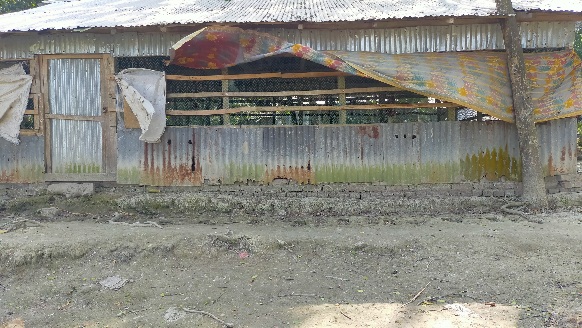
Housing for any poultry rearing depends on the rearing system. In rural area, most of the turkey raisers were small and medium scale farmers. Houses are generally tin shed with or without concrete floor, some spread brick, some made thatched house.
Outside view
Inside view
Traditional house
Feed management
Turkey required high protein diet (28%) in ration. We know there is no specific feeding standard of turkey like broiler and layer chicken. Farmers fed commercial broiler starter feed during poult stage along with fresh clean drinking water. Then during growing stage some farmers still continue with broiler starter or grower feed along with different locally available grain with vegetable and kitchen waste. Some raisers fed different grain like rice, wheat, boiled vegetables, kitchen waste, water hyacinth etc. Thus feed cost represents 60% of total cost in poultry production. Turkeys are good foragers and consume good amount of tender green grasses, vegetables, kitchen waste, water hyacinth etc and transform it into valuable products like (meat and egg).
Frequency of feed supply
Farmers supplied fed three times to the bird in the morning, noon and afternoon. Some farmers always keep some feed or vegetables in pen or yard where birds were scavenged.
Litter Management
Farmers used different locally available litter materials in turkey shed. Table 02 represents different litter materials used by farmers.
Table 02
Respondents/ Farmers ( F)
Litter materials
F1
Rice polish and wood savings
F2
Rice husk
F3
Wood savings
F4
Wood savings, rice husk, paper
F5
Wood savings
F6
Wood savings
F7
Wood savings and rice husk
F8
sand
F9
Ash
F10
Wood savings
Litter materials sued by farmers in dry, clean and fresh condition. Turkeys are heavy birds and voluminous droppings so need to change frequently and farmer changed the litter within twice or thrice in a month.
Vaccination /immunization
Good sanitation, clean stock, clean premises, and elimination of other birds and animals that may carry disease organisms are important for maintaining a healthy flock. Genetically, turkey is more resistant to diseases (such as Marek's and infectious bronchitis) than other poultries. Most of the farmers are not conscious about vaccination as a result diseases outbreak occurs randomly and destroy most of the flock. Farmers mostly do vaccination only for new castle disease, fowl pox and fowl cholera. [9] showed that 36.96% farmers had encountered diseases like New Castle, Fowl cholera, Fowl
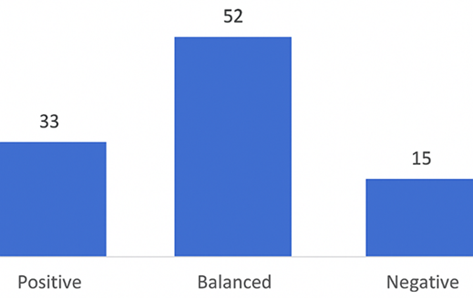
pox, Mycoplasmosisetc. Following chart represent the vaccination which fooled by farmers in our study area.
Vaccination of farms
Hatching of egg
No farmers practiced artificial insemination even they had no knowledge about it. Natural mating was practiced by all of the farmers.
Egg production performance
Generally turkey will start lay from the 30th week of age and its production period is 24 weeks from the point of lay. Under proper feeding and artificial lightening management turkey hens usually lay between 80-100 eggs per year [10]. In our survey result egg production was 70-80% due to improper nutrition, management, lack of scientific knowledge, improper lighting, stocking density, improper male female ratio, less awareness about vaccination, diseases, improper treatment, biosecurity management and other causes. Table 3 showed that highest egg production was 75% from F1 farms and lowest egg production was 63% from F4 farms. Other farms like, F2, F3, F5, F6, F7, F8, F9, F10 farms hen laid 70, 73, 66, 70, 66.67, 71, 73, and 74 respectively.
Table 03
Farms
No of laying hen
Annual egg production
% of egg production
F1
83
6225
75
F2
02
140
70
F3
01
73
73
F4
51
3213
63
F5
02
132
66
F6
02
140
70
F7
03
200
66.67
F8
08
568
71
F9
16
1168
73
F10
10
740
74
Total
178
12599
70.16
Mean
17.8
1259.9
70
Average cost and return analysis of turkey production
Here we showed F1 farms total cost and return outline among ten farms.
Capital expenditure:
Land: own
Housing cost: Approximately 250 sq. ft for 200 turkeys
= 50000 Taka
Feeder, drinker, laying equipment cost: 10000 Taka
Subtotal capital expenditure= 60000 taka
Recurring expenditure:
Total adult bird: 200 in No
Poult cost: 6000 Taka
Feed cost for 200 turkey in one year @ 110g/ turkey
Daily require: (110*200*365) = 8030 kg @ 40 TK per kg=321200 taka
Labor cost= own labor
Vaccine and medication: 3000 Taka
Subtotal of recurring expenditure= 330200 Taka
Grand total of expenditure= 60000+330200 Taka
=390200 Taka
Income:
Selling of egg 6225eggs per year from 83 hen @ 87 taka per egg, 88* 6225= 547800 taka
Selling of 200 poults @ taka 200 taka per poult = 4000 Taka
Selling of 20 adult turkey 8-9 Kg @ 4000 per turkey= 80000 Taka
Total income =631800 Taka
Net profit for first year = (631800- 390200)
= 241600 taka
Prospects of turkey farming
Turkey farming is a profitable enterprises and it has a lot of prospects. Some points are discussed below-
Higher production rate
Production of turkey (weight) is higher than other chicken. Taste and flavor of meat also unique.[11] advocates that turkeys are easier to manage, have relatively high turnover and quick returns to capital invested. Turkeys grow faster than broiler chickens and have a slaughter weight that is about double that of the broiler chicken at the age of twelve (12) weeks.Turkey production has been one of the fastest growing sectors of the total meat market in North America and Western Europe where 90% of production occurs.
Low feeding cost
In poultry production system feed cost represent 65-70 % of total cost if we lower the cost by supplying lowest cost feed but available in all nutrients then it very beneficial to the farmer.Turkeys are good at foraging. However, other poultry species such as geese and turkey can obtain added nutrients from forage because they are better able to digest fiber due to larger microbial population in their digestive tracts [12] On the other hand Soliven 1984 reported that according to opinion of farmers of the Philippines, turkey rearing is profitable as long as the poults are properly fed and taken care of and cost of production is cheap as almost 50% of the feed they eat is green vegetables and field grasses as supplement to commercial feeds.
Lower disease rate
Turkey is more disease resistant in comparison to other poultry species like chicken, duck and quail. Mortality rate of turkey is very low in comparison to other poultry bird. Sampath 2012 reported that turkeys are resistant to Marek's and Infectious bronchitis and commonly encountered with other diseases like Mycoplasmosis, Fowl cholera, Erysipelas and Hemorrhagic enteritis. Most of the farmers do vaccination only for New Castle disease and Fowl cholera.
Profitable Business
Turkey production is a profitable business. Turkey grow faster like broiler chicken, become slaughter purpose within a very short period and its care and management is comparatively easy. Turkey farming can be opted as a viable farming, as a little investment is required for housing, and management [13].
Higher dressing percentage
The dressing percentage of turkey is 80-87%, which is highest of all farm species.
Superior meat and egg
The meat of turkey is considered by many peoples as a luxury meat. The protein, lipid, carbohydrate and mineral content of turkey egg are 13.1%, 11.8%, 1.7% and 0.8%, respectively. The cholesterol content is 15.67-23.97 mg/g of yolk. Turkey meat also has high nutritional and sensorial properties which make it almost ideal raw material for rational and curative nutrition. People prefer turkey meat because of its leanest nature. The protein, fat, and energy contents of turkey meat are 24%, 6.6%, 162 Calories per 100 g of meat. Mineral like potassium, calcium, magnesium, iron, selenium, zinc and sodium are also present in turkey meat. It is also rich in essential amino acids and vitamins such as B3 (niacin), vitamin B6 and B12, unsaturated fatty acids and essential fatty acids, and low cholesterol contents.
Suitability in our country
Turkey is a unique bird, which is suitable for rearing in hot humid climatic condition like Bangladesh. In fact, turkeys are adaptable to wide range of climatic conditions and can be raised successfully almost anywhere in the world if they are well fed and protected against diseases and predators.
Employment for women
The poultry sub-sector is crucially important in the context of agricultural growth and improvement of diets particularly important in that it is a significant source of protein and nutrition in the household's nutritional intake in Bangladesh. Turkey farming is undoubtedly an attractive economic activity, especially for the rural women and poor population in the country [14]. In our study 60% turkey raiser were women. Women can easily rear turkey along with their household work.
Aesthetic value
Turkey rearing is a new farming activity in Bangladesh, where 34.78, 19.57 and 45.65% of respondent farmers have been rearing turkey for ornamental, both egg and meat, and both meat and ornamental purposes, respectively [4]. Ogundipe 1980 reported that it has an aesthetic value due to their beauty.
Alternative Source of income and nutrition
Turkey bird has a promising potential to be an alternative to livestock in meat production [15] Okoruwa 2006 reported that with the continued rise in the cost of production of cattle, sheep and goat, which are the primary sources of animal protein in Nigeria, it has become very necessary to explore efficient and less common but potential sources of animal protein for economic viability. Male and female British United Turkey reached at 16 weeks of age 14.60 kg and 10.25 kg, respectively. Moreover, the turkey has high dressing percentage that could increase to 87% of slaughter weight.
Higher market demand
At present turkey market is limited to some particular customers as an ornamental bird as well as for meat purposes and its price is higher than other poultry species. There are a good number of people in Bangladesh who are fond of turkey meat now. So there is huge opportunity to expand turkey market in Bangladesh.
Opportunity to Use Artificial Insemination Technique
As natural mating is not resulting more fertile egg, so there is an opportunity to promote AI technique in turkey for the production of commercial hatching eggs. It will decrease cost for rearing more tom. It is reported that a well-developed pectoral muscle in turkeys, has prevented turkey toms to mate naturally [16] and making AI a necessity. Fertility could be improved in turkeys by using AI. In addition, efficiency of use of semen could be increased because each tom can produce enough sperm to inseminate approximately 30 hens [13]
Increasing number of interested farmers
Turkey rearing gained a good popularity in our country among common people in a short period of time. So farmers are now being more interested in rearing turkey. If more technical support can be provided to farmers, this sector can be explored.
Increasing meat popularity
The meat of turkey is considered by many as a luxury meat. Moreover, it has an aesthetic value due to their beauty [17] For this reason turkey is becoming popular gradually in developing countries like in Bangladesh and numbers of farmers are now being interested in turkey rearing.
Problems of turkey rearing in Bangladesh
Higher poult mortality
In case of turkey, early mortality of bird is a major factor. Sometimes they gain leg problem from brooding period because of slippery litter materials. Starving out often cause of death of turkey. Still now farmers are not well aware about special care and management of younger turkeys.
Lacking of authentic sources of poult
Sources of authentic variety of poult is great problem in our country. People rear poult from different source those are not maintain any record of recognized variety. Aa a result appropriate feed and management hampered that effect the production rate.
Poor Housing
Farmers are not acquainted with the scientifically accepted space requirement for rearing turkey. Actually they provide space on the basis of assumption. Moreover, they are not aware about using suitable litter materials and its management. Many farmers never take special care during extreme hot and cold situation which ultimately hamper the production performance of birds.
Lack of knowledge
There is absence of opportunity for capacity building of turkey farmers in terms of receiving training, getting information, participating in workshop and seminar. As most of the concern stakeholders are not aware enough about turkey farming in Bangladesh, farmers are not getting required knowledge and skill. Therefore they are using traditional procedure for rearing turkey. But egg weight, fertility, hatchability and late embryonic mortality varied greatly between traditional and modern breeding management system [18]
Outbreak of diseases
Outbreak of diseases is great problem in turkey production. In our study area many small farm destroyed due to outbreak of viral diseases. People are not aware about vaccination as a result many diseases occurs to the birds.
Adequate marketing facilities
Market of turkey is not like broiler and layer in Bangladesh. There is absence of well-organized market for turkey and its products. No structured market value chain has been identified yet in Bangladesh. Farmers buy and sell turkey mainly through personal communication. Turkey selling problems is also identified in other developing countries as stated by Peters 1997 in a study conducted on small holder local turkey production in Ogun State Nigeria, found that sale of turkeys were more during Christmas and festive period than other periods of the year
CONCLUSION
It can be concluded that turkey farming in Pauakhali district can be considered one of the poultry farming as turkey can be reared in free range or semi intensive systems especially in rural areas for economic enhancement of landless laborers, marginal and small farmers, women and unemployment youth. Free-range or semi intensive turkey rearing method requires low investment in facilities and equipment’s and it is a viable and sustainable bird both for backyard as a rural poultry and commercial bird in economic point of view. Turkeys can tolerate tropical climate and Indian sub-continent is suitable for turkey rearing. Turkey is new dimension of poultry sector and it has good prospects in Bangladesh. Though turkey production in study area was profitable but to increase the production need to spread the knowledge of turkey rearing among the farmers, to facilitate proper training , extension work and creating marketing facilities. By taking proper steps turkey can be a profitable enterprises in Bangladesh and also be a part of family poultry.
Conflict of Interest:
The authors declare that they have no conflict of interest
Funding:
No funding sources
Ethical approval:
The study was approved by the Patuakhali Science and Technology University, Babugonj, Barisal, 8210, Bangladesh.
REFERENCES
MoFL. Annual Report 2018-19. Ministry of Fisheries and Livestock, People's Republic of Bangladesh, 2019.
DLS. Annual Progress Report. Dhaka: Department of Livestock Services, Ministry of Fisheries and Livestock, Bangladesh, 2019.
Tempio, Andrea. "Global Poultry Production: Current State and Future Outlook and Challenges." World's Poultry Science Journal 73.4 (2017): pp. 659-673. https://doi.org/10.1017/S004393391700042X.
Asaduzzaman, M., et al. "Problems and Prospects of Turkey (Meleagris gallopavo) Production in Bangladesh." Research in Agriculture, Livestock, and Fisheries 4 (2017): pp. 77-90.
Yakubu, A. "Assessment of Flock Structure, Preference in Selection, and Traits of Economic Importance for Domestic Turkey (Meleagris gallopavo) Genetic Resources in Nasarawa State, Nigeria." Livestock Research for Rural Development 25 (2013): www.lrrd.org/lrrd25/4/yaku25062.htm.
Ahmed, M., et al. Turkey Farming Guide. Central Poultry Development Organization (Southern Region), Hessarghatta, Bangalore, 2009.
Bhanja, S. K., and S. Majumdar. "Formulation of Turkey Feed." Modern Turkey Production and Management, edited by A. K. D. Roy, Turkey Research Unit, Central Avian Research Institute, Izatnager, India, 2001: pp. 49-52.
Osama, E. Y., et al. "A Study on Turkey (Meleagris gallopavo) Raising in the Sudan." Journal of Applied and Industrial Sciences 1 (2013): pp. 11-15.
Jahan, B. "Rearing of High Yielding Turkey Poults: Problem and Future Prospect in Bangladesh." SF 1 (2018).
Mustasim, F., et al. "Feeding and Management System of Turkey in the Sylhet Region, Bangladesh." Bangladesh Veterinary Sciences: Research and Reviews 5.2 (2019): pp. 58-65.
Ironkwe, M. O., and L. F. Akinola. "Profitability of Turkey Production in Ahoada East Local Government Area of Rivers State, Nigeria." Continental Journal of Agricultural Science 4 (2010): pp. 38-41.
Brad, B. "Maximizing Foraging Behaviour." University of Florida, 2010: pp. 12-13.
Childress, T. "Talking Turkey: The Care and Feeding of Your Thanksgiving Bird." 2003.
Das, S. C., et al. "Growth Performance of White, Black, and Bronze Color Heritage Turkeys Under Semi-Intensive System." Journal of Bangladesh Agricultural University 16.3 (2018): pp. 471-477. https://doi.org/10.3329/jbau.v16i3.39219.
Nixey, C. "A Comparison of Growth and Fat Deposition of Commercial Avian Species." 7th European Poultry Conference, Paris, 1986.
Etches, R. "Reproduction in Poultry." CAB International, 1996: pp. 208-233.
Ogundipe, S. O. "Turkey Production in Nigeria." National Agricultural Extension Service, 1980: Bulletin No. 22, pp. 2-22.
Lariviere, J. M. "Reproductive Performance of the Ardennaise Chicken Breed Under Traditional and Modern Breeding Management." International Journal of Poultry Science 8 (2009): pp. 708-715.
Recommended Articles
Research Article
A study of parasitic infections and evaluation of the nutritional status and level of( IFN-ˠ (ng/l), IL-2 (pg/ml), and) IL-10 (pg/ml), at children in Al-Hussein Teaching Hospital
Download PDF
Research Article
Survey on the pollutants effect of some physicals and chemicals characteristics of the White Nile River around Khartoum state in the Sudan
Zeinb E. Elamean,
...
Egbal Osman Ahmed
Published: 20/01/2021
Download PDF
Research Article
Growth and Yield Performance of “Sakurab” Scallion Green Onion (Allium Fistulusom L.) Under Different Rates of Chicken Dung and Sources of Soil Amendment
Rashdi Macalangcom Casim
Published: 20/01/2021
Download PDF
Research Article
Strategy of Cocoa Commodity Based Agrowisata Development in Jembrana Regency
I Gusti Ayu Widari Upadani,
...
Luh Putu Kirana Pratiwi
Published: 30/01/2021
Download PDF
PO Box 101, Nakuru
Kenya.
Email: office@iarconsortium.org
Editorial Office:
J.L Bhavan, Near Radison Blu Hotel,
Jalukbari, Guwahati-India
Sultana, M., Islam, S. & Chanda, T. (2021). Present Status of Turkey Rearing in Selected Areas of Patuakhali District. IAR Journal of Agriculture Research and Life Sciences, 2(1), 1-7.
MLA
Sultana, Mahbuba, Sharmila Islam and Tanni Chanda. "Present Status of Turkey Rearing in Selected Areas of Patuakhali District." IAR Journal of Agriculture Research and Life Sciences 2.1 (2021): 1-7.
Chicago
Sultana, Mahbuba, Sharmila Islam and Tanni Chanda. "Present Status of Turkey Rearing in Selected Areas of Patuakhali District." IAR Journal of Agriculture Research and Life Sciences 2, no. 1 (2021): 1-7.
Harvard
Sultana, M., Islam, S. and Chanda, T. (2021) 'Present Status of Turkey Rearing in Selected Areas of Patuakhali District' IAR Journal of Agriculture Research and Life Sciences 2(1), pp. 1-7.
Vancouver
Sultana M, Islam S, Chanda T. Present Status of Turkey Rearing in Selected Areas of Patuakhali District. IAR Journal of Agriculture Research and Life Sciences. 2021 Jan;2(1):1-7.


 Download PDF
 Download XML