Introduction: Clinical assessment of tissue oxygen delivery is a challenging task for anesthesiologists. Anemia indicates a decrease in the oxygen-carrying capacity of blood, which poses a significant risk for oxygen Delivery Insufficiency (DO2) and cellular hypoxemia and it can be used to assess tissue hypoxia. Blood transfusion is commonly used to correct anemia promptly and efficiently, but in certain circumstances, clinicians may be unable to perform blood transfusion, necessitating the use of alternative therapeutic approaches by anesthesiologists. Case Report: A 20-year-old female presented with anemia, with a hemoglobin (Hb) level of 6.0 g/dL. The patient's clinical and hemodynamic conditions were stable within normal limits and blood transfusion was planned. However, the Comb test results were incompatible, representing an absolute contraindication to transfusion. The patient exhibited clinical changes indicating tissue hypoxia when the Hb level dropped to 2.0 g/dL. The doctor decided to maximize DO2 and reduce oxygen consumption (VO2) to achieve a balance in oxygen requirements. The patient received steroid therapy due to suspected Autoimmune Hemolytic Anemia (AIHA). On the eighth day, the patient showed clinical improvement, stable hemodynamics and an increase in Hb level. Conclusion: Clinical evaluation related to tissue oxygenation distribution is crucial in patients with AIHA.
Keywords
Autoimmune Hemolytic Anemia
Oxygen Requirements
Oxygen Delivery
Management
INTRODUCTION
One of the main functions of the lungs is the exchange of oxygen between the circulatory system and the external environment. Gas exchange occurs between the air in the alveoli and the pulmonary capillary blood. For effective gas exchange to occur, the alveoli must be ventilated and perfused. Ventilation refers to the flow of air in and out of the alveoli, while perfusion is the blood flow to the alveolar capillaries. The blood flow entering the lungs is equal to the cardiac output and is also influenced by factors that affect cardiac output, especially peripheral factors that control pulmonary blood flow. Each alveolus has varying ventilation and perfusion capabilities in different areas of the lungs. Factors that affect ventilation and perfusion processes include the condition of the lungs, circulation and blood flow [1-4].
Circulation and blood flow are influenced by Hemoglobin (Hb) as the carrier of oxygen from red blood cells and it becomes fully saturated when it binds to four molecules of oxygen. Children, young adults, adult men or women, including women of reproductive age, especially during pregnancy, have varying Hb values due to the physiological conditions they are experiencing. Each oxygen molecule released by Hb into the tissue binds to the remaining oxygen molecules with a higher affinity. Hemoglobin analysis is the simplest method and the most cost-effective laboratory parameter, making it commonly used in research. Another method used to assess Hb levels is the physical examination of the patient, assessing pale skin or mucous membranes as clinical signs of decreased Hb. Anatomical segments such as the conjunctiva, palms, nails, lips and tongue can also identify hemoglobin status. Each individual has tolerance for Hb values based on their clinical condition [5-7].
Hemoglobin tolerance affects the exchange and delivery of oxygen for each individual and the amount of oxygen delivered to the tissues is typically at least four times the amount used by the tissues. In other words, the Oxygen Delivery (DO2) to Oxygen Demand (VO2) ratio is usually maintained at a 4:1 ratio. Several factors influence DO2, including cardiac output, which is determined by heart rate and stroke volume, arterial oxygen saturation, oxygen concentration and hemoglobin concentration [9].
The capacity of DO2 can be reduced in certain conditions such as a decrease in hemoglobin concentration or a decrease in hemoglobin oxygen saturation. For example, in the case of anemia, where the number of healthy red blood cells is lower than normal.[8,10] When anemia occurs for a prolonged period and blood volume remains constant, the body undergoes four compensatory mechanisms, including an increase in cardiac output, redistribution of cardiac output, especially to the brain and heart, increased oxygen extraction resulting in decreased mixed venous oxygen saturation and changes in oxygen-hemoglobin affinity [10-13].
Compensation mechanisms occur in chronic anemia, which commonly occurs in patients with hemolytic anemia. One type of hemolytic anemia is Autoimmune Hemolytic Anemia (AIHA), which usually occurs due to cross-matching incompatibility. In AIHA, the production of autoantibodies that attack red blood cell antigens occurs. The management of anemia in AIHA patients depends on the patient's clinical condition. Transfusion may be considered in critically ill AIHA patients. Other treatments include increasing DO2 and reducing VO2 with medications such as steroids, bed rest and oxygen supplementation to optimize dissolved plasma oxygen [14,15]. The goal of this case report is to describe a unique case of a patient with well-managed AIHA.
Case Illustration
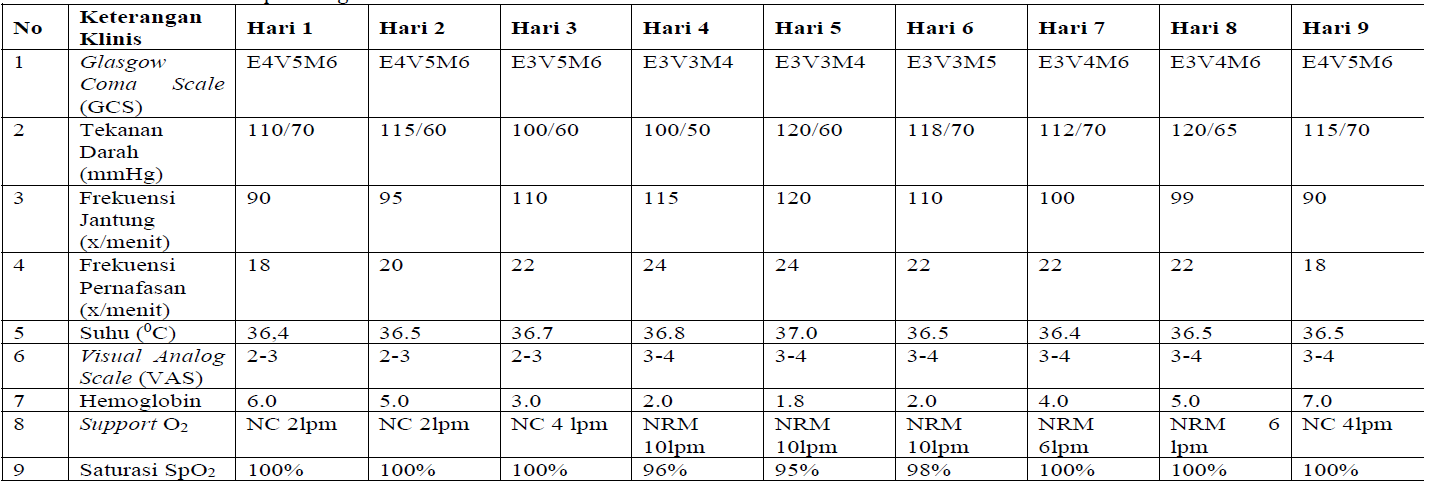
A 20-year-old woman with a history of anemia presented in a conscious state, without shortness of breath and with stable hemodynamics. However, on physical examination, the patient appeared anemic and weak. Supportive investigations revealed an Hb level of 6.0 g/dL and a cross-matching test for blood transfusion showed a major incompatible positive result, indicating that blood transfusion was not recommended. On the second day of treatment, the patient's Hb level decreased to 5.0 g/dL, with similar hemodynamics compared to the previous day. On the third day of treatment, the Hb level further decreased to 4.0 g/dL and the patient experienced a decreased level of consciousness with a Glasgow Coma Scale (GCS) of E2V3M4 and an SpO2 of 95% on room air. On the fourth day of treatment, the Hb level dropped to 3.0 g/dL, with a GCS of E3V2M4 and an SpO2 of 96% with a non-rebreathing oxygen face mask (NRM) at a rate of 10 L/minute. The lowest Hb level occurred on the fifth day, reaching 2.8 g/dL with a GCS of E3V2M4. High-dose methylprednisolone was then administered. The patient did not receive a blood transfusion due to contraindication related to major incompatibility. The Hb level showed improvement on the seventh day of treatment and full consciousness was regained on the ninth day of treatment, with an Hb level of 7 g/dL. The follow-up progress of the patient can be seen in Table 1.
DISCUSSION
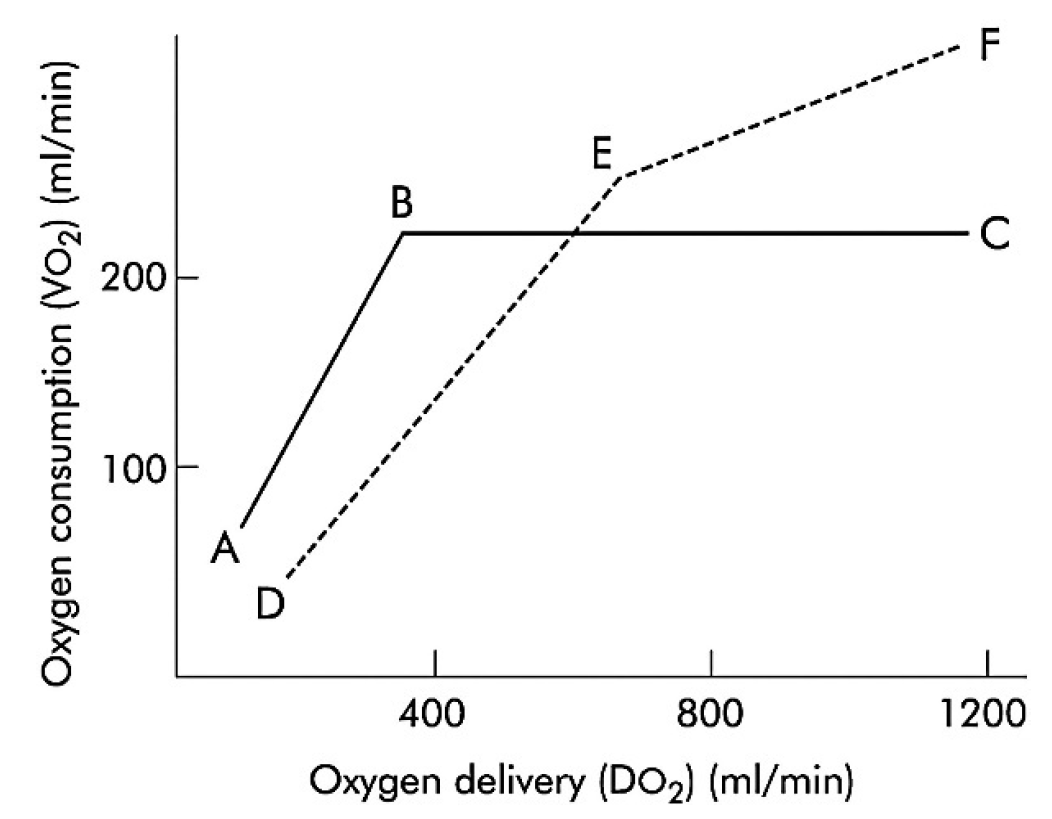
Oxygen is essential for human survival through aerobic respiration and is the most commonly used intervention in anesthesia and intensive care. At the mitochondrial level, oxygen acts as the terminal electron acceptor in the electron transport chain, where oxidative phosphorylation converts into the synthesis of Adenosine Triphosphate (ATP), which is a coenzyme that provides energy for all active metabolic processes [6]. Traditionally in the field of anesthesia and intensive care, Oxygen Delivery (DO2) includes cardiac output and arterial oxygen content, which are responsible for the active external delivery of oxygen to cells. However, these processes can be easily viewed from the perspective of cells that absorb oxygen for their own needs. Global DO2 is the total amount of oxygen delivered to the tissues per minute and is the product of cardiac output and arterial oxygen content. Meanwhile, oxygen consumption (VO2) is the amount of oxygen consumed by the tissues per minute and can be calculated using direct or indirect respiratory gas analysis using the principles of Fick's equation, by measuring the oxygen content in mixed venous blood, as seen in Figure 1 [16]. In this patient, DO2 is crucial because prolonged low hemoglobin levels can lead to tissue hypoxia.
Figure 1: A Graph Depicting The Relationship Between VO2 and DO2 [6]
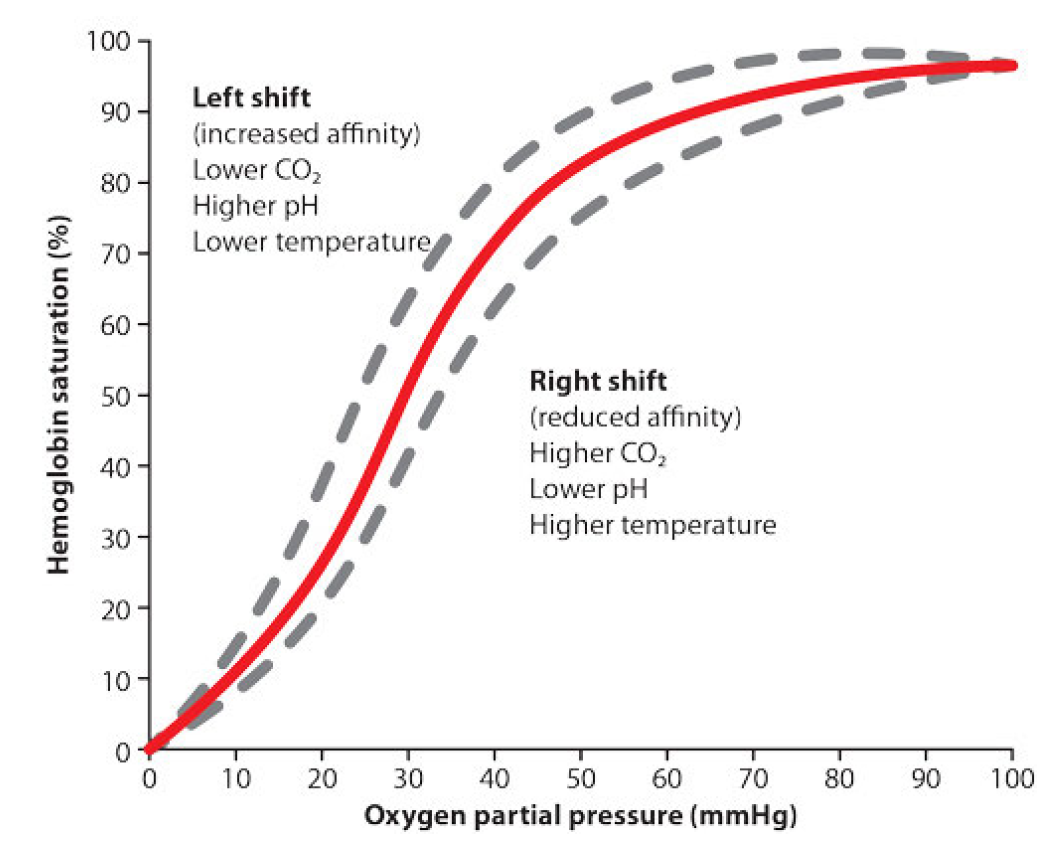
Changes in cardiac output, oxygen saturation and hemoglobin concentration will affect the ability to deliver oxygen. Several terms are used to describe tissue hypoxia, including "stagnant hypoxia" (reduced carbon dioxide or reduced oxygen content in local blood flow), "hypoxic hypoxia" (arterial hypoxemia) and "anemic hypoxia" (decreased hemoglobin). Recently, "cytopathic hypoxia" (e.g., in secondary sepsis and inflammation) and "toxic tissue hypoxia" (e.g., cyanide poisoning) have been recognized. In such cases, cells cannot utilize oxygen either relatively or absolutely and increasing DO2 effects can help improve the hypoxic condition [6,12,17]. Any cause of microcirculatory dysfunction will have an impact on DO2, such as in patients with severe anemia. The physiological explanation of the oxygen-hemoglobin dissociation curve is depicted in Figure 2.
The level of VO2 depends on the metabolic needs of the cells and can be manipulated. For example, the use of hypothermia therapy has been shown to reduce the metabolic demand of the brain following a heart attack and improve neurological status [6]. Several factors that affect VO2 are documented in Table 2.
Anemia is a condition in which the level of Hemoglobin (Hb) is lower than normal. Hemolytic Anemia (HA) is an anemia characterized by disproportionate destruction of Red Blood Cells (RBCs). The pathophysiology of anemia consists of two categories:
Intrinsic HA, where the RBCs are intrinsically damaged (e.g., sickle cell disease, thalassemia, pyruvate kinase deficiency, hereditary spherocytosis and others)
Extrinsic HA, where healthy RBCs are externally destroyed (e.g., drug toxicity, transfusion-related blood incompatibility, Escherichia coli poisoning, malaria, leukemia and others)
Figure 2: The Oxygen-Hemoglobin Dissociation Curve
The clinical manifestations arise from the progressive decrease in the ability of blood to bind oxygen due to the reduction in total Hemoglobin (tHb) in circulation, which can vary from mild fatigue and dyspnea to fever, chest pain and life-threatening complications. The severity of HA is categorized based on the tHb concentration. The normal Hb level for healthy men is 14-18 g/dL, with women having a level 2 g/dL lower. Moderate anemia is defined by Hb levels of 8-10 g/dL, while severe anemia is characterized by Hb levels below 8 g/dL [5,34]. A tHb level below 7 g/dL indicates the need for blood transfusion (unless there are additional comorbidities present) [18,19].
Patients with a tHb below 7 g/dL should receive blood transfusion, but major incompatibility in patients is suspected to have Autoimmune Hemolytic Anemia (AIHA). AIHA is a rare disease caused by autoantibodies that attack red blood cells and can occur idiopathically or secondarily. Depending on the temperature variation of the autoantibodies, AIHA is divided into warm, cold (cold agglutinin disease and paroxysmal cold hemoglobinuria), or mixed types. AIHA can develop gradually or present as a sudden life-threatening anemia. The treatment of AIHA is not yet established. The first-line management for warm AIHA is corticosteroids, which are effective in 70-85% of patients and the dosage should be gradually tapered over 6-12 months. For refractory/relapsed cases, the last-line management options are splenectomy (effective in 2-3 cases, but the remission rate is around 20%), rituximab (effective in 80-90% of cases), followed by immunosuppressive therapy (azathioprine, cyclophosphamide, cyclosporine, mycophenolate mofetil). Additional therapies include intravenous immunoglobulin, danazol, plasma apheresis and high-dose alemtuzumab and cyclophosphamide as a last resort [20,21].
If the patient indeed requires a blood transfusion, several considerations should be taken into account. Before the blood transfusion is performed, pretransfusion antibody detection should be carried out. This involves mixing the patient's plasma with two or three HR reagents that represent the most important HR antigens. If the result is negative, the patient can be transfused with ABO and Rh-compatible blood, assuming the patient does not have significant HR antibodies. On the other hand, if positive results are found in one or more tests, further investigation is required to evaluate the type of antibody. Three clinical situations can pose challenges in finding compatible blood:
Alloantibodies resulting from previous transfusions or pregnancy
Autoantibody reactions that often occur against red blood cell antigens in patients with AIHA and some types of hemolytic anemia and drug-induced immune responses
ABO discrepancies. In transfusing patients with AIHA, periodic detection of alloantibodies in the patient's plasma is involved [22,23]
The detection of alloantibodies in patients with AIHA aims to assist critically ill patients who require blood transfusion. However, other management options such as high-dose corticosteroids have also been proven to have beneficial effects. They act directly on the red blood cell membrane, inhibiting the entry of oxidized cholesterol derivatives, which leads to membrane expansion. In isotonic conditions, there is no significant change in the degree of hemolysis. In hypotonic conditions, the increased surface area-to-volume ratio results in an increase in intracellular water volume before reaching the osmotic lysis point (critical hemolytic volume). When HR is applied to patients with AIHA, the osmotic curve shifts. Another mechanism is that mineralocorticoids cause an increase in sodium extraction from cells or a decrease in sodium leakage, which suppresses the activity of autoimmune-mediated red blood cell destruction. Corticosteroids may play a role in suppressing IgG, thus preventing further involvement in the hemolytic process [20].
If these patients experience long-term anemia, the oxyhemoglobin dissociation curve will shift to the right, indicating a decrease in hemoglobin's affinity for oxygen and the release of oxygen to the tissues at higher partial pressures. This process occurs after an increase in 2,3-DPG levels and is observed in chronic anemia but not in patients undergoing isovolemic hemodilution [6,10,12]. Various treatments are used for patients with different conditions and the patient's DO2 will increase to prevent tissue hypoxia, which can lead to unconsciousness. After receiving optimal management, patients may be discharged even if their hemoglobin levels have not returned to normal, as long as their hemodynamic condition has improved and their level of consciousness has recovered.
CONCLUSION
Severe cases of hemolytic anemia with major incompatibility may raise suspicion for a diagnosis of AIHA, where supportive management is required to improve DO2 and reduce VO2. The use of transfusions should be avoided unless the patient is in a critical condition where other interventions are unable to restore the patient's hemodynamics.
REFERENCES
K.A. Powers et al. Physiology, Pulmonary Ventilation and Perfusion. Treasure Island (FL): Stat Pearls Publishing, 2021, p. 1.
R. Chaudhry et al. Physiology, Cardiovascular. Treasure Island (FL): Stat Pearls Publishing, 2020, p. 1.
M. Sarkar et al. "Mechanisms of Hypoxemia." Lung India, vol. 34, no. 1, 2017, pp. 47–60.
P. Soma-Pillay et al. "Physiological changes in pregnancy." Cardiovascular Journal of Africa, vol. 27, no. 2, 2016, pp. 89–94.
C. Molnar et al. Concepts of Biology. Ottawa: BC campus, 2015, pp. 65–98.
J. Dunn et al. "Physiology of Oxygen Transport." BJA Education, vol. 16, no. 10, 2016, pp. 341–348.
A. Benner et al. Physiology, Bohr Effect. Treasure Island (FL): StatPearls Publishing, 2020, p. 1.
M. Salmen et al. "Oxygen delivery during severe anemia when blood transfusion is refused on religious grounds." Annals of the American Thoracic Society, vol. 14, no. 7, 2017, pp. 1216–1220.
L.C. Boyette et al. Physiology, Myocardial Oxygen Demand. Treasure Island (FL): StatPearls Publishing, 2021, p. 1.
B.B. Hafen et al. Oxygen Saturation. Treasure Island (FL): StatPearls Publishing, 2021, p. 1.
I. Mozos "Mechanisms linking red blood cell disorders and cardiovascular diseases." BioMed Research International, February 2015, vol. 2015, no. 1, article ID 682054.
R.P. Ramos "How can anemia negatively influence gas exchange?" Jornal Brasileiro de Pneumologia, vol. 43, no. 1, 2017, pp. 1–2.
R.K. Chaudhary et al. "Autoimmune hemolytic anemia: from lab to bedside." Asian Journal of Transfusion Science, January 2014, vol. 8, no. 1, pp. 5–12.
M. Barros et al. "Autoimmune hemolytic anemia: transfusion challenges and solutions." International Journal of Clinical Transfusion Medicine, vol. 5, no. 1, 2017, pp. 9–18.
S.S. Das et al. "Incompatible blood transfusion: Challenging yet lifesaving in the management of acute severe autoimmune hemolytic anemia." Asian Journal of Transfusion Science, July 2014, vol. 8, no. 2, pp. 105–108.
M. Stubbs "Hypoxia." South African Journal of Anaesthesia and Analgesia, vol. 26, no. 6, 2020, pp. S157–160.
B.S. Bhutta et al. Hypoxia. Treasure Island (FL): StatPearls Publishing, 2021, p. 1.
J. Turner et al. Anemia. Treasure Island (FL): StatPearls Publishing, 2021, p. 1.
C. Baldwin et al. Hemolytic Anemia. Treasure Island (FL): Stat Pearls Publishing, 2020, p. 1.
A. Zanella et al. "Treatment of autoimmune hemolytic anemias." Haematologica, October 2014, vol. 99, no. 10, pp. 1547–1554.
J. Freedman "Autoimmune hemolysis: A journey through time." Transfusion Medicine and Hemotherapy, September 2015, vol. 42, no. 5, pp. 278–285.
V.M. Alves et al. "Alloimmunization screening after transfusion of red blood cells in a prospective study." Revista Brasileira de Hematologia e Hemoterapia, vol. 34, no. 3, 2012, pp. 206–211.
J. Duncan Clinical Guide to Transfusion. Ottawa: Canadian Blood Services, 2020, pp. 45–98.
Recommended Articles
Research Article
Evidence Guided, Experience Based and Patient Compatible 3-Step Protocol for Managing Moderate to Severe Category of COVID19 Infections
Farah Husain,
...
Kirti N Saxena
Published: 05/01/2021
Download PDF
Research Article
A Descriptive Cross-Sectional Study to Evaluate the Knowledge about Symptoms and Risk Factors for Heart Attack (Myocardial Infarction) Among the General Population of New Delhi
Aastha Sehgal,
...
Avneet Kaur
Published: 06/05/2023
Download PDF
Research Article
Knowledge About Risk and Preventive Factors for Osteoarthritis Knee among Ortho OPD Patients in Regional Hospital, Keylong in District Lahaul and Spiti of Himachal Pradesh
Ajay Thakur,
Jaspal Chaudhary
Published: 20/06/2022
Download PDF
Research Article
A Randomized Controlled Trial Comparing the Effect of Oral Preemptive Pregabalin Compared to IV Lignocaine in Attenuating Hemodynamic Response to Laryngoscopy
P. Aashik,
...
B.N. Reddy
Published: 17/05/2023
Download PDF
PO Box 101, Nakuru
Kenya.
Email: office@iarconsortium.org
Editorial Office:
J.L Bhavan, Near Radison Blu Hotel,
Jalukbari, Guwahati-India
Arianto, A. T., Permana, S. A. & Shalihin, M. M. (2023). Individual Oxygen Administration in an 18-Year-Old Woman with Hemoglobin Level of 2,8 and Incompatible Cross-Match Results: A Case Report. IAR Journal of Anaesthesiology and Critical Care, 4(2), 1-4.
MLA
Arianto, Ardana T., Septian A. Permana and Muhammad M. Shalihin. "Individual Oxygen Administration in an 18-Year-Old Woman with Hemoglobin Level of 2,8 and Incompatible Cross-Match Results: A Case Report." IAR Journal of Anaesthesiology and Critical Care 4.2 (2023): 1-4.
Chicago
Arianto, Ardana T., Septian A. Permana and Muhammad M. Shalihin. "Individual Oxygen Administration in an 18-Year-Old Woman with Hemoglobin Level of 2,8 and Incompatible Cross-Match Results: A Case Report." IAR Journal of Anaesthesiology and Critical Care 4, no. 2 (2023): 1-4.
Harvard
Arianto, A. T., Permana, S. A. and Shalihin, M. M. (2023) 'Individual Oxygen Administration in an 18-Year-Old Woman with Hemoglobin Level of 2,8 and Incompatible Cross-Match Results: A Case Report' IAR Journal of Anaesthesiology and Critical Care 4(2), pp. 1-4.
Vancouver
Arianto AT, Permana SA, Shalihin MM. Individual Oxygen Administration in an 18-Year-Old Woman with Hemoglobin Level of 2,8 and Incompatible Cross-Match Results: A Case Report. IAR Journal of Anaesthesiology and Critical Care. 2023 Jul;4(2):1-4.


 Download PDF
 Download XML